
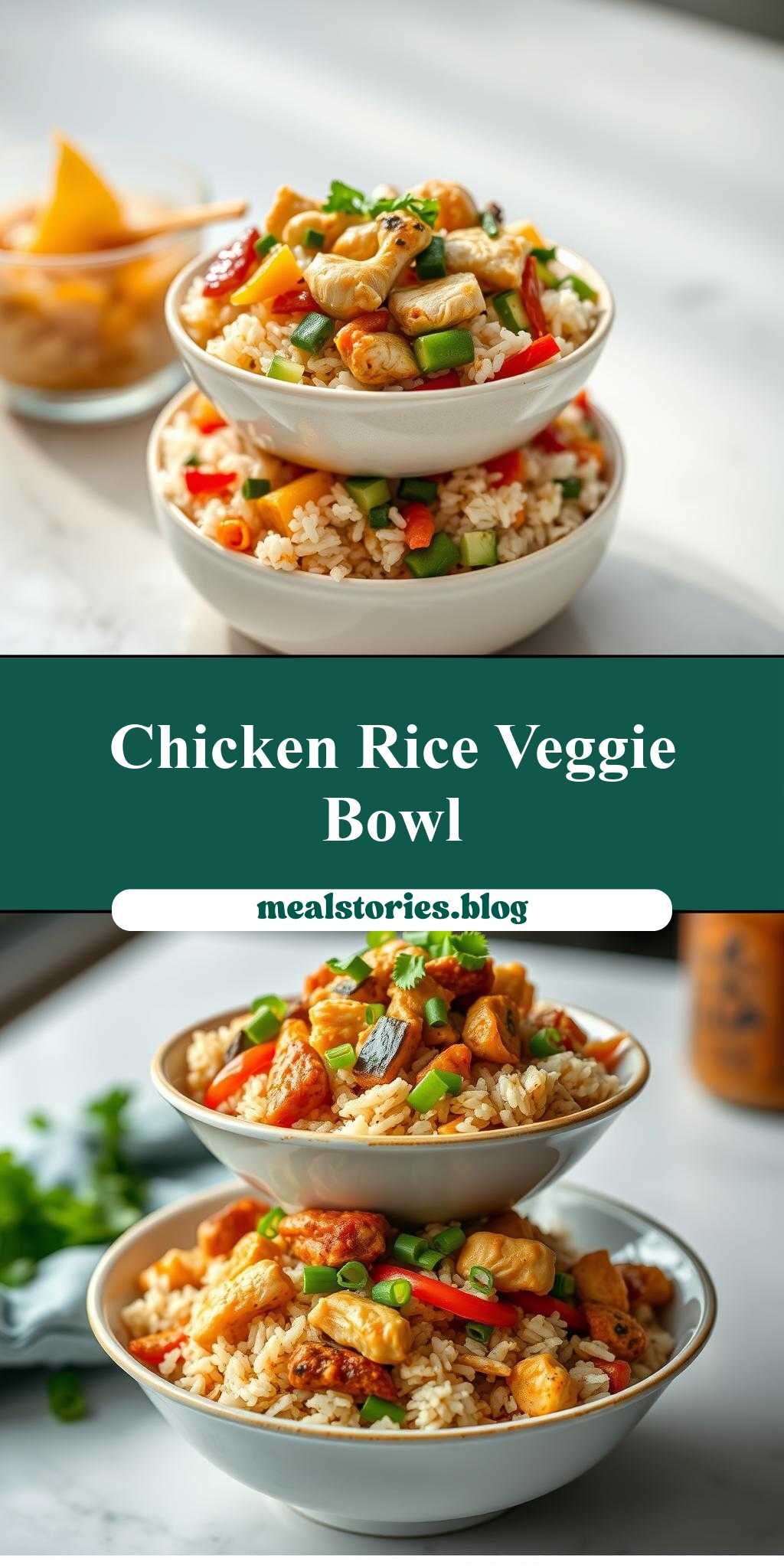
What makes the perfect weeknight dinner? Layering juicy chicken, savory veggies and fluffy rice creates a quick and easy homemade meal that is sure to become a family favorite, try making it with grilled chicken and save this idea
Two Bowls Filled with Rice, Chicken, and Veggies on Top of Each Other
Introduction
Why This Works
- Flavor balance and ingredient accessibility: This recipe strikes a perfect balance between savory chicken, aromatic veggies, and fluffy rice, all of which are readily available in most supermarkets.
- Ease of preparation: Despite its visually appealing presentation, the dish is surprisingly simple to prepare. It involves basic cooking techniques that anyone can master.
- Impressive results with minimal effort: The layering of ingredients creates a stunning effect that’s sure to impress dinner guests, all without requiring extensive culinary expertise.
Key Ingredients
The foundation of this dish is built around a few key ingredients: chicken breast, a variety of colorful vegetables (such as bell peppers, carrots, and green beans), cooked rice, and a blend of spices for added depth of flavor. For the chicken, you can opt for boneless, skinless breast or thighs, whichever you prefer. The vegetables can be substituted based on seasonality and personal preference, making this recipe highly adaptable. Cooked rice serves as the base, and you can use white, brown, or even cauliflower rice for a low-carb option. Finally, a mix of basic spices like salt, pepper, and your choice of herbs (thyme, rosemary, or parsley work well) will enhance the flavor without overpowering the natural taste of the ingredients.
Instructions
- Step 1: Begin by preparing your ingredients. Chop the vegetables into bite-sized pieces, season the chicken with your chosen spices, and cook the rice according to the package instructions.
- Step 2: Cook the chicken. You can grill, bake, or pan-fry it, depending on your preference. Aim for the chicken to be cooked through and slightly browned on the outside.
- Step 3: Sauté the vegetables in a pan with a little oil until they’re tender but still crisp. This step adds a pop of color and freshness to the dish.
- Step 4: Assemble the bowls. Start with a layer of rice, followed by a portion of the cooked chicken, and then top with the sautéed vegetables. You can add additional layers or toppings as desired, such as a dollop of yogurt, a sprinkle of herbs, or a squeeze of fresh lemon juice.
Handy Tips
- For an extra crispy texture on your chicken, try dredging it in a mixture of flour, spices, and a little cornstarch before cooking.
- Don’t overcook the vegetables. They should retain some crunch to provide a satisfying contrast in texture to the soft rice and chicken.
- Experiment with different seasonings and spices to give your dish a unique flavor profile. For example, a bit of cumin and chili powder can add a nice smoky heat.
Heat Control
When cooking the chicken and vegetables, it’s crucial to control the heat to achieve the perfect doneness. For chicken, aim for an internal temperature of 165°F (74°C) to ensure food safety. Vegetables should be cooked over medium heat, stirring frequently, until they reach your desired level of tenderness. Keep an eye on the pan to prevent burning, especially when adding spices or herbs, as they can quickly go from fragrant to burnt.
Crunch Factor
The crunch factor in this dish comes from the vegetables and, optionally, from adding crunchy toppings like toasted nuts, seeds, or crispy fried onions. To maintain the crunch of your vegetables, cook them briefly and at the right temperature. For an extra crunch, consider adding some raw vegetables on top of the cooked ones, like diced bell peppers or shredded carrots.
Pro Kitchen Tricks
- Use a thermometer to ensure your chicken is cooked to a safe internal temperature, eliminating the guesswork and potential for undercooked or overcooked meat.
- Marinate your chicken beforehand for added flavor. Even a quick 30-minute marination can make a significant difference in the taste.
- Prepare your ingredients in advance. Chopping vegetables and seasoning the chicken can be done ahead of time, making the cooking process smoother and less stressful.
Storage Tips
- Leftovers can be stored in the refrigerator for up to 3 days. Simply layer the ingredients in a container, ensuring the rice is at the bottom, followed by the chicken, and then the vegetables.
- Reheat gently to prevent drying out the chicken or overcooking the vegetables. Microwaving is a quick option, but be cautious of overheating.
- For longer storage, consider freezing the cooked chicken and vegetables separately, then assembling the bowls when you’re ready to eat. Frozen components can be stored for up to 3 months.
Gift Packaging Ideas
If you’re looking to share this dish with others, consider packaging it in decorative bowls or containers that can be reheated as needed. Add a personal touch with a sprinkle of fresh herbs, a dollop of your favorite sauce, or a side of warm bread. For a more rustic presentation, use wooden bowls or wrap the ingredients in a large, flatbread, creating a DIY wrap that’s both fun and flavorful.
Flavor Variations
- Different spices: Try adding a pinch of cumin for a smoky flavor, some basil for an Italian twist, or a sprinkle of curry powder for an Indian-inspired dish.
- Creative toppings: Add some crumbled feta cheese, a sprinkle of toasted sesame seeds, or a few slices of avocado for added creaminess and nutrition.
- Ingredient swaps: Substitute the chicken with tofu or tempeh for a vegan option, or use different types of rice, such as jasmine or wild rice, for varying textures and flavors.
Troubleshooting
- Texture problems: If your chicken turns out too dry, it might be overcooked. Try cooking it for less time or using a meat thermometer to ensure it reaches a safe internal temperature without overcooking.
- Ingredient replacements: If you’re missing a specific spice or herb, don’t be afraid to substitute with something similar. The beauty of this recipe lies in its flexibility and adaptability to your pantry and preferences.
- Over/undercooking signs: Keep an eye on your chicken and vegetables as they cook. Undercooked chicken will feel soft and squishy to the touch, while overcooked vegetables will be mushy and lack color.
FAQs
- Can I freeze it? Yes, you can freeze the cooked chicken and vegetables separately for up to 3 months. Simply thaw and reassemble when you’re ready to eat.
- Is it gluten-free? This recipe is naturally gluten-free, making it a great option for those with dietary restrictions. Just be sure to check the ingredients of any store-bought spices or seasonings you might use.
- Can I double the recipe? Absolutely! This recipe scales well, whether you’re cooking for a large family gathering or meal prepping for the week. Just remember to adjust the cooking time slightly if you’re working with larger quantities of chicken and vegetables.
Conclusion
This recipe for “Two Bowls Filled with Rice, Chicken, and Veggies on Top of Each Other” is a testament to the power of simple, everyday ingredients coming together to create something truly special. It’s a dish that encourages creativity and experimentation, inviting you to play with flavors, textures, and presentation. Whether you’re a busy professional looking for a quick and satisfying meal or an avid home cook seeking to impress, this recipe has something for everyone. So go ahead, get creative, and enjoy the process of turning a few basic components into a culinary masterpiece that will leave everyone wanting more.