
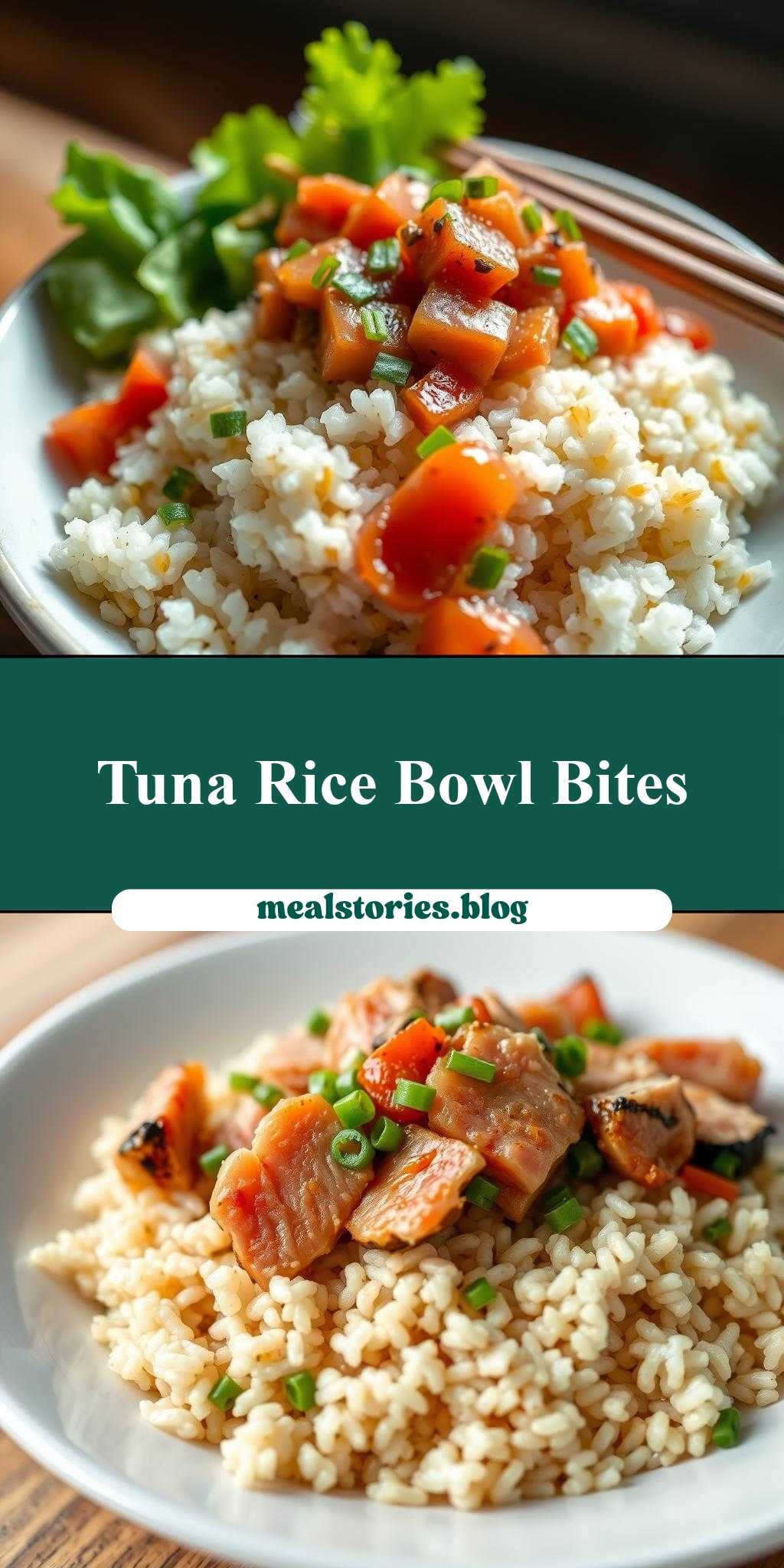
What makes a perfect weeknight dinner? A quick and easy tuna rice bowl recipe, of course, made with fresh tuna and a homemade teriyaki sauce. Save this idea for a family favorite meal that’s ready in no time, perfect for a busy evening. Try it soon and enjoy the flavors of a homemade weeknight dinner. Pin for later
Tuna Rice Bowl Recipe
Introduction
The Tuna Rice Bowl Recipe is a culinary masterpiece that combines the simplicity of everyday ingredients with the flair of international flavors, all while being remarkably easy to prepare. This dish is perfect for those who seek to elevate their mealtime experience without spending hours in the kitchen. With its harmonious balance of flavors and textures, this recipe is not only a delight to the palate but also a feast for the eyes. Whether you’re a busy professional looking for a quick yet satisfying meal or an adventurous foodie eager to explore new flavors, the Tuna Rice Bowl Recipe is sure to become a favorite.
Why This Works
- Flavor balance and ingredient accessibility: The recipe strikes a perfect balance between savory, sweet, and umami flavors, using ingredients that are readily available in most supermarkets.
- Ease of preparation: Despite its sophisticated taste, the Tuna Rice Bowl is incredibly easy to make, requiring minimal cooking skills and effort.
- Impressive results with minimal effort: The combination of tuna, rice, and carefully selected toppings creates a dish that looks and tastes like it was prepared in a high-end restaurant, all with surprisingly little work.
Key Ingredients
The Tuna Rice Bowl Recipe revolves around a few key ingredients: high-quality canned tuna, Japanese short-grain rice, soy sauce, sesame oil, and a variety of colorful vegetables and toppings such as avocado, cucumber, and sesame seeds. For the tuna, look for brands that are low in mercury and rich in flavor. Japanese short-grain rice is essential for its clingy texture, which helps hold the dish together. Feel free to get creative with your toppings, using practical substitutions like swapping cucumber for carrots or adding pickled ginger for an extra burst of flavor.
Instructions
- Step 1: Begin by preparing your ingredients. Rinse the rice thoroughly and cook it according to the package instructions. While the rice is cooking, chop your vegetables and toppings into bite-sized pieces. Drain the liquid from the canned tuna and set it aside.
- Step 2: In a small bowl, whisk together soy sauce and sesame oil to create the dressing. Add this dressing to the cooked tuna and mix well to combine. Season with salt and pepper to taste.
- Step 3: Once the rice is ready, allow it to cool slightly. This step is crucial as it helps prevent the rice from becoming mushy when you add the tuna and other ingredients. In a large bowl, place a scoop of rice, followed by a portion of the tuna mixture. Arrange your chosen vegetables and toppings around the tuna.
- Step 4: Finish your Tuna Rice Bowl with a drizzle of additional soy sauce and sesame oil if desired, and garnish with sesame seeds and chopped green onions. Serve immediately and enjoy the delightful combination of flavors and textures.
Handy Tips
- For an extra crispy texture, lightly toast the sesame seeds in a dry pan before sprinkling them on top of your dish.
- Consider using different types of protein like salmon or tofu for a variation in flavor and texture.
- Avoid overmixing the tuna with the dressing to prevent it from becoming too soggy.
Heat Control
If you decide to add any cooked elements to your Tuna Rice Bowl, such as grilled vegetables or seared tuna, make sure to cook them at the right temperature. For seared tuna, cook it in a hot skillet with a small amount of oil for about 1-2 minutes on each side, or until it reaches your desired level of doneness. The ideal internal temperature for cooked tuna is at least 145°F (63°C) to ensure food safety.
Crunch Factor
Achieving the right crunch factor can elevate your Tuna Rice Bowl from good to great. This can be done by adding crunchy elements like toasted sesame seeds, crispy fried onions, or raw vegetables. For an extra crunch, try adding some chopped nuts or seeds like almonds or pumpkin seeds on top of your dish.
Pro Kitchen Tricks
- Use short-grain Japanese rice for the best results, as it holds together well and provides a nice texture contrast to the soft tuna and vegetables.
- Prepare your ingredients in advance to make the assembly of the bowls quicker and more efficient.
- Experiment with different seasonings and sauces to give your Tuna Rice Bowl a personal touch, such as adding a squeeze of fresh lime juice or a sprinkle of furikake.
Storage Tips
- Store any leftovers in an airtight container in the refrigerator for up to a day. It’s best to store the components separately (rice, tuna, vegetables) to maintain their textures.
- Reheat the rice and tuna gently in the microwave or on the stovetop, taking care not to overheat.
- Consider using glass containers for storing and reheating, as they are non-reactive and can be safely used in the microwave and oven.
Gift Packaging Ideas
If you’re looking to share your Tuna Rice Bowl with friends or family as a gift, consider packaging it in a beautifully crafted bento box or a Mason jar. Add a ribbon around the box or a decorative lid to the jar, and include a handwritten note with the recipe and your personal touches. For a more rustic look, wrap the bowl in a piece of parchment paper and tie it with twine, adding a small bag of sesame seeds or a bottle of soy sauce on the side.
Flavor Variations
- Different spices: Try adding a pinch of cayenne pepper for a spicy kick or some grated ginger for an Asian-inspired flavor.
- Creative toppings: Experiment with various toppings such as diced mango, pickled carrots, or grilled shiitake mushrooms to add unique flavors and textures.
- Ingredient swaps: Substitute the tuna with cooked chicken or tofu for a vegetarian option, or use quinoa instead of rice for a gluten-free and protein-rich alternative.
Troubleshooting
- Texture problems: If your rice turns out too mushy, try reducing the water ratio next time. For too dry tuna, mix it with a bit more dressing.
- Ingredient replacements: If you can’t find Japanese short-grain rice, you can substitute it with medium-grain rice or even cauliflower rice for a low-carb option.
- Over/undercooking signs: Make sure your tuna is cooked to the safe internal temperature, and check your rice for the right consistency, neither too hard nor too soft.
FAQs
- Can I freeze it? Yes, you can freeze the cooked rice and tuna mixture separately for up to 3 months. However, it’s best to add fresh vegetables and toppings just before serving.
- Is it gluten-free? The basic recipe is gluten-free, but be cautious with the soy sauce and sesame oil, as some brands may contain gluten. Look for gluten-free alternatives to ensure the dish is safe for those with gluten intolerance.
- Can I double the recipe? Absolutely, the Tuna Rice Bowl Recipe can be easily doubled or tripled to serve a larger crowd. Just remember to adjust the cooking time for the rice accordingly and prepare more dressing if needed.
Conclusion
In conclusion, the Tuna Rice Bowl Recipe is a versatile, flavorful, and nutritious meal option that can be customized to suit any taste or dietary requirement. With its simple preparation method and the use of readily available ingredients, this dish is perfect for anyone looking to spice up their meal routine. Feel free to experiment with different flavors and toppings, and don’t hesitate to share your creations with friends and family. Whether you’re cooking for one or for many, the Tuna Rice Bowl is sure to become a staple in your kitchen, offering a delicious and satisfying meal every time.