
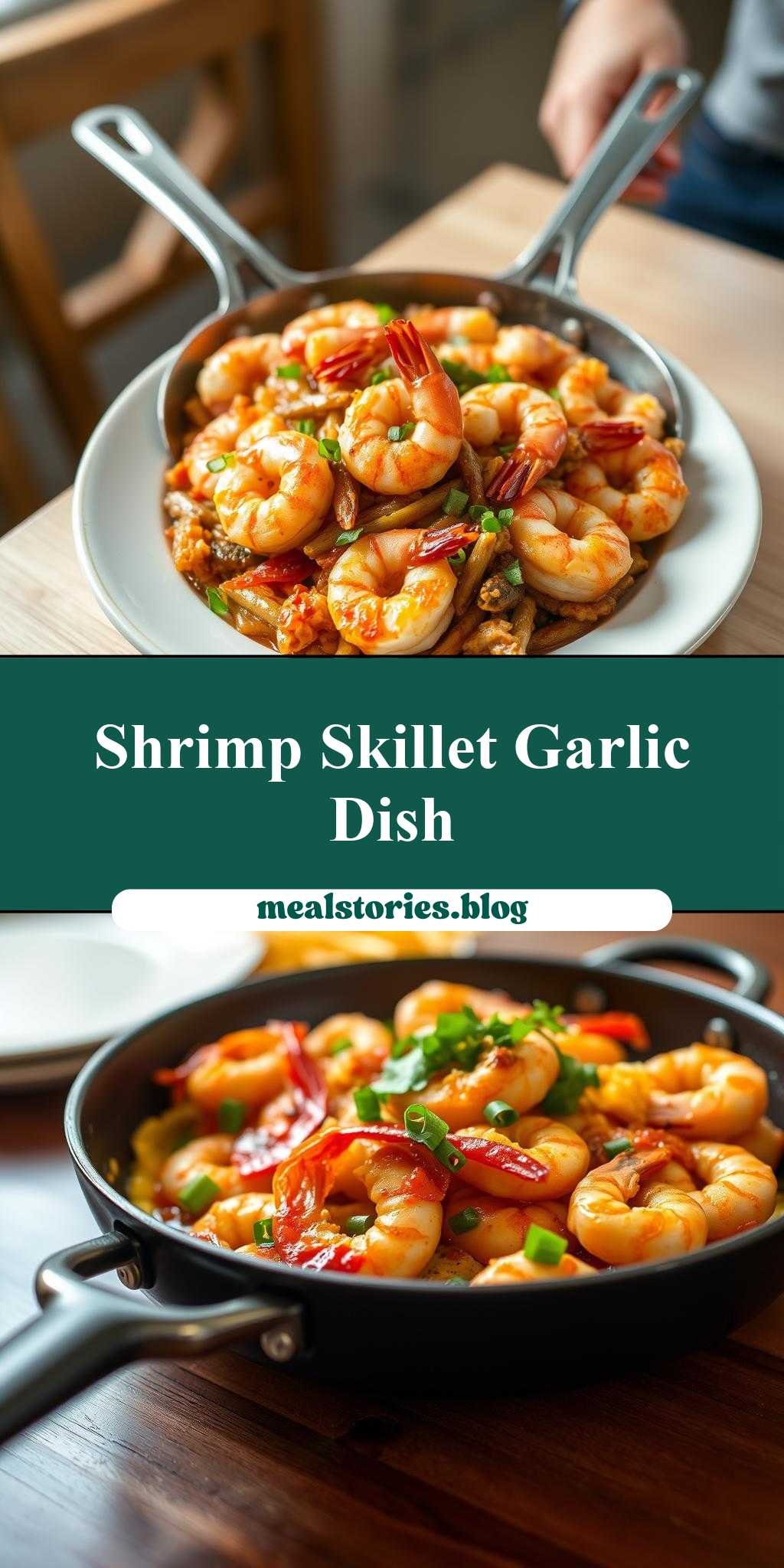
What makes a perfect weeknight dinner? This homemade shrimp saganaki recipe is a quick and easy solution, loaded with succulent shrimp and feta cheese, all cooked to perfection in a single skillet. Save this idea for a delicious family favorite meal.
Shrimp Saganaki Recipe in a Skillet on a Table
Introduction
Welcome to this delightful shrimp saganaki recipe, where the simplicity of everyday ingredients meets the elegance of a perfectly cooked dish. Saganaki, a traditional Greek method of cooking, involves a skillet, high heat, and a flourish of flames, making it an impressive and engaging culinary experience for any dinner party. This recipe brings together succulent shrimp, flavorful tomatoes, and aromatic spices, all combined in a sizzling skillet that’s sure to captivate your senses and leave you wanting more. The best part? It’s incredibly easy to prepare, requiring minimal effort for maximum flavor and visual appeal.
Why This Works
- Flavor balance and ingredient accessibility: This recipe strikes a perfect balance between the sweetness of the shrimp, the tanginess of the tomatoes, and the depth of the spices, all using ingredients that are readily available in most supermarkets.
- Ease of preparation: Despite its impressive presentation, this dish is surprisingly straightforward to prepare. It requires basic cooking techniques and can be ready in under 30 minutes, making it perfect for a quick yet impressive dinner.
- Impressive results with minimal effort: The combination of cooking the shrimp and tomatoes in a skillet and finishing it off with a burst of flames (optional, for dramatic effect) ensures that the dish looks as good as it tastes, with minimal fuss.
Key Ingredients
The main ingredients in this shrimp saganaki recipe include large shrimp, preferably fresh and peeled, a can of diced tomatoes for convenience and consistency, garlic for its unmistakable flavor, feta cheese for a salty, creamy element, and a sprinkle of parsley for freshness. Olive oil is used for sautéing, and a pinch of red pepper flakes adds a nice spicy kick for those who enjoy a bit of heat. Practical substitutions could include using frozen shrimp (thawed, of course), different types of cheese like parmesan or goat cheese for a varied flavor profile, and adjusting the amount of garlic and red pepper flakes to taste.
Instructions
- Step 1: Begin by preparing your ingredients. Peel and de-vein the shrimp, chop the garlic, and crumble the feta cheese. This step ensures that everything is ready to go when you start cooking, making the process smoother and less stressful.
- Step 2: Heat a couple of tablespoons of olive oil in a large skillet over medium-high heat. Add the chopped garlic and sauté for about a minute until fragrant, being careful not to burn it. Then, add the shrimp and cook until they’re pink and just done, about 2-3 minutes per side. Remove the shrimp from the skillet and set them aside.
- Step 3: In the same skillet, add the diced tomatoes, salt, pepper, and a pinch of red pepper flakes. Stir well to combine and let it simmer for about 5 minutes, allowing the flavors to meld together and the sauce to thicken slightly. Return the shrimp to the skillet and stir gently to coat them with the tomato sauce.
- Step 4: Finally, sprinkle the crumbled feta cheese over the top and let it melt slightly from the residual heat of the skillet. Garnish with chopped parsley and serve immediately, straight from the skillet for a rustic, appealing presentation.
Handy Tips
- One of the most helpful tips for this recipe is to not overcook the shrimp. They should be cooked just until they’re pink and firm to the touch, as overcooking can make them tough and rubbery. Also, using high-quality ingredients, especially the shrimp and the feta cheese, can elevate the dish significantly. For those who like a bit of drama, flambéing the dish with a splash of ouzo or metaxa at the end can add a nice caramelized flavor, but be sure to do this carefully and away from children.
Heat Control
Heat control is crucial in this recipe, especially when cooking the shrimp and simmering the tomato sauce. The ideal temperature is medium-high for the initial cooking of the garlic and shrimp, and then reduced to medium or medium-low for simmering the sauce. Timing is also key; the shrimp should cook for about 2-3 minutes per side, and the sauce should simmer for at least 5 minutes to develop a rich flavor. Signs of doneness include the shrimp turning pink and the sauce thickening slightly.
Crunch Factor
The crunch factor in this dish comes from the fresh parsley sprinkled on top and the slightly caramelized feta cheese. To achieve a nice crunch, ensure that the parsley is chopped just before serving, and if you’re choosing to flambé the dish, the brief exposure to flames can caramelize the top layer of the cheese and tomatoes, adding a satisfying crunch.
Pro Kitchen Tricks
- For better results, use a skillet that can go from stovetop to oven, as this allows for an even heat distribution and can help in achieving a perfectly cooked dish. Another trick is to not stir the shrimp too much while they’re cooking, as this can cause them to become tough. Instead, let them cook undisturbed for the first couple of minutes on each side.
Storage Tips
- For storing leftovers, it’s best to cool the dish to room temperature and then refrigerate it in an airtight container. It can be reheated gently in the microwave or on the stovetop. The dish is best consumed within a day or two for optimal flavor and texture. Freezing is not recommended as it can affect the texture of the shrimp and the sauce.
Gift Packaging Ideas
While this dish is primarily meant to be served hot and fresh, components of it can be gifted. For example, a jar of homemade tomato sauce (without the shrimp) can be packaged in a decorative jar with a ribbon and a note with serving suggestions. Similarly, a block of good quality feta cheese, paired with some crusty bread and olives, can make a lovely gift basket.
Flavor Variations
- Different spices: Adding a pinch of smoked paprika can give the dish a smoky depth, while a sprinkle of dried oregano can enhance the Greek flavors.
- Creative toppings: Besides parsley, other herbs like dill or basil can add a fresh twist. A dollop of sour cream or a sprinkle of grated lemon zest can also provide interesting contrasts.
- Ingredient swaps: For a vegetarian version, portobello mushrooms or eggplant can replace the shrimp, offering a meaty texture that absorbs flavors well.
Troubleshooting
- Texture problems: Overcooking is the most common issue, leading to tough shrimp or mushy sauce. Ensure that the shrimp are cooked just until done and the sauce is simmered gently.
- Ingredient replacements: If feta cheese is not available, other salty cheeses can be used, though they might change the flavor profile slightly.
- Over/undercooking signs: Shrimp that are undercooked will be translucent and soft, while overcooked shrimp are opaque and firm to the touch. The sauce should be simmered until it has thickened slightly and reduced, indicating that the flavors have concentrated.
FAQs
- Can I freeze it? It’s not recommended to freeze the cooked dish due to the texture changes it can cause in the shrimp and sauce. However, components like the tomato sauce can be frozen for later use.
- Is it gluten-free? Yes, this recipe is naturally gluten-free, making it a great option for those with gluten intolerance or sensitivity.
- Can I double the recipe? Absolutely, this recipe can be easily doubled or tripled for larger gatherings. Just ensure that you have a large enough skillet to accommodate all the ingredients in a single layer.
Conclusion
This shrimp saganaki recipe offers a delicious blend of Greek flavors and straightforward cooking techniques, making it perfect for both novice cooks and seasoned chefs. With its quick preparation time, impressive presentation, and the option to customize with various toppings and spices, it’s a versatile dish that can be enjoyed in many different settings. Whether you’re cooking for a romantic dinner, a family meal, or a party with friends, this recipe is sure to please. So go ahead, give it a try, and enjoy the process of creating something truly special and delicious.