
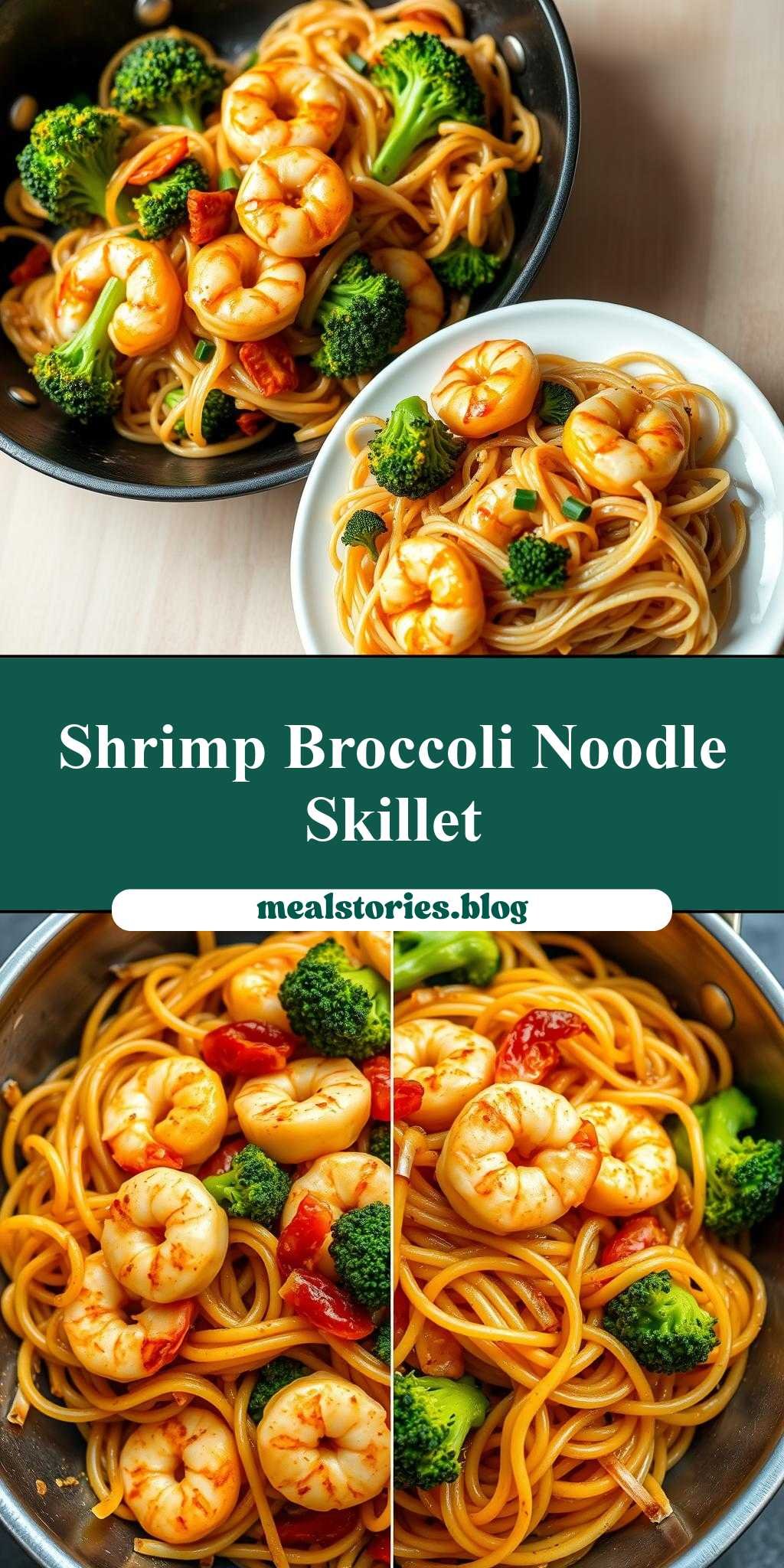
What makes a perfect weeknight dinner? This homemade shrimp chow mein with broccoli and noodles is a quick and easy family favorite, made possible by a simple stir-fry method with succulent shrimp. Save this idea for a delicious homemade meal anytime.
Two Pictures of Shrimp Chow Mein with Broccoli and Noodles in a Skillet
Introduction
Welcome to a culinary journey that will delight your senses and satisfy your cravings! Today, we’re diving into the vibrant world of Chinese cuisine with a dish that’s not only a feast for the eyes but also a symphony of flavors: Shrimp Chow Mein with Broccoli and Noodles in a Skillet. This recipe is all about ease, creativity, and harnessing the power of everyday ingredients to create something truly special. With its perfect balance of textures and tastes, from the crunch of fresh broccoli to the succulence of shrimp, all wrapped up in a savory blanket of noodles, this dish is sure to become a staple in your kitchen. So, let’s embark on this gastronomic adventure and explore the simplicity, versatility, and sheer delight of cooking up a storm with Shrimp Chow Mein!
Why This Works
- Flavor balance and ingredient accessibility: The beauty of this recipe lies in its ability to balance a myriad of flavors, from the sweetness of the shrimp and the earthiness of the broccoli, to the savory goodness of the noodles, all while using ingredients that are easily accessible in most supermarkets.
- Ease of preparation: One of the standout features of this dish is how quickly and effortlessly it comes together. With a few simple steps, you can transform basic ingredients into a culinary masterpiece that’s sure to impress.
- Impressive results with minimal effort: Despite its simplicity, Shrimp Chow Mein with Broccoli and Noodles presents beautifully, making it perfect for both weeknight dinners and special occasions. The combination of colors, textures, and the aroma that fills the kitchen as it cooks is sure to wow your family and friends.
Key Ingredients
The magic of this recipe unfolds with the following key ingredients:
– 1 pound of large shrimp, peeled and deveined, which provides the protein and a pop of color to the dish.
– 2 cups of broccoli florets, which add a delightful crunch and a burst of green to the skillet.
– 1 cup of chow mein noodles, the foundation of the dish, offering a satisfying chew and a canvas for the flavors to meld.
– 2 tablespoons of vegetable oil, used for stir-frying and bringing all the ingredients together.
– 2 cloves of garlic, minced, and 1 tablespoon of grated fresh ginger, which form the aromatic base of the dish.
– 1 tablespoon of soy sauce, 1 tablespoon of oyster sauce (optional), and 1 teaspoon of sesame oil, which together create a rich, savory sauce.
– Salt and pepper, to taste, for seasoning.
– Scallions, chopped, for garnish, adding a fresh, oniony flavor and a touch of elegance to the finished dish.
For practical substitutions, you can use chicken or tofu for the protein, and customize the vegetables based on what’s in season or your personal preferences. Feel free to experiment with different types of noodles or sauces to make the dish your own.
Instructions
- Step 1: Begin by preparing your ingredients. Chop the broccoli into florets, mince the garlic, and grate the ginger. Measure out your sauces and seasonings. This prep work is crucial for a smooth and efficient cooking process.
- Step 2: Cook the chow mein noodles according to the package instructions and set them aside. This step ensures that your noodles are ready to be incorporated into the dish without becoming mushy or overcooked.
- Step 3: In a large skillet or wok, heat 1 tablespoon of vegetable oil over medium-high heat. Add the shrimp and cook until they turn pink, about 2-3 minutes per side. Remove the shrimp from the skillet and set them aside. Then, add the remaining 1 tablespoon of vegetable oil, followed by the minced garlic and grated ginger. Stir-fry until fragrant, about 30 seconds. Add the broccoli and cook until it starts to soften, about 3-4 minutes. Add the cooked noodles, soy sauce, oyster sauce (if using), and sesame oil to the skillet. Stir-fry everything together, ensuring the noodles are well coated with the sauce and the broccoli is tender but still crisp.
- Step 4: Return the cooked shrimp to the skillet and stir everything together to combine. Season with salt and pepper to taste. Transfer the Shrimp Chow Mein to a serving platter, garnish with chopped scallions, and serve immediately.
Handy Tips
- Always use fresh ingredients when possible, as they will provide the best flavors and textures. For the broccoli, choose florets with a deep green color and a firm texture. Fresh shrimp should have a pleasant smell and a firm texture as well.
- Customize the dish to your taste by adding other vegetables like carrots, bell peppers, or mushrooms. Each addition will not only add variety to the dish but also increase its nutritional value.
- Be mindful of the heat when stir-frying. High heat can quickly burn the garlic and ginger, so it’s essential to stir constantly. Adjust the heat as needed to prevent burning and to ensure that all ingredients cook evenly.
Heat Control
Heat control is crucial in this recipe, especially when cooking the shrimp and stir-frying the vegetables and noodles. Start with medium-high heat to achieve a quick sear on the shrimp, then adjust the heat to medium or medium-low to prevent burning the garlic and ginger. When adding the broccoli, ensure the heat is high enough to cook the vegetable quickly but not so high that it burns. The ideal temperature for stir-frying is between 400°F to 450°F (200°C to 230°C). Timing is also key; cook the shrimp for about 2-3 minutes per side, and the broccoli for 3-4 minutes, or until it reaches your desired level of tenderness.
Crunch Factor
Achieving the right crunch factor in Shrimp Chow Mein is all about timing and technique. For the broccoli, aim for a tender but still crisp texture, which can be achieved by not overcooking it. The noodles should retain some chew, and the shrimp should be succulent and firm. To enhance the crunch, you can add some chopped nuts or seeds, like almonds or sesame seeds, towards the end of cooking. This addition not only provides a satisfying crunch but also adds depth to the dish.
Pro Kitchen Tricks
- Use a wok or a large skillet with a non-stick surface to prevent the noodles and vegetables from sticking and to make stir-frying easier.
- Prepare all ingredients before starting to cook. This mise en place ensures that the cooking process is smooth and efficient, allowing you to focus on the technique and the quality of the dish.
- Don’t overcrowd the skillet. Cook the shrimp and vegetables in batches if necessary, to ensure that each component cooks evenly and quickly. This technique prevents steaming instead of searing and retains the vibrant colors and textures of the ingredients.
Storage Tips
- Leftovers can be stored in an airtight container in the refrigerator for up to 3 days. Reheat gently in a skillet or in the microwave, adding a little water if the noodles seem dry.
- For longer storage, consider freezing the cooked dish. Place it in a freezer-safe bag or container, making sure to press out as much air as possible before sealing. Frozen Shrimp Chow Mein can be stored for up to 3 months. Reheat thawed leftovers in a skillet with a bit of oil or in the microwave.
- When reheating, always check the temperature of the dish to ensure it reaches a safe minimum internal temperature of 165°F (74°C) to prevent foodborne illness.
Gift Packaging Ideas
While Shrimp Chow Mein is typically served hot and fresh, it can also be a thoughtful gift, especially when packaged in a way that preserves its freshness and appeal. Consider portioning the dish into individual containers, which can be microwaved for a quick and easy meal. Add a personal touch with a handwritten note or a small packet of soy sauce and sesame oil for added flavor. For a more rustic appeal, use bamboo steamer baskets lined with parchment paper, which not only keep the food warm but also add an element of exotic charm to the gift.
Flavor Variations
- Different spices: Experiment with various spice blends, such as Chinese five-spice or curry powder, to give your Shrimp Chow Mein a unique twist. A pinch of red pepper flakes can add a nice heat for those who enjoy spicy food.
- Creative toppings: Add some crunch with chopped nuts or seeds, or a burst of freshness with diced scallions, bean sprouts, or shredded carrots. Each topping adds not only texture but also visual appeal, making the dish more inviting.
- Ingredient swaps: Substitute the shrimp with chicken, beef, or tofu for a vegetarian option. Different proteins will change the flavor profile, so feel free to adjust the sauces and seasonings accordingly to balance the dish.
Troubleshooting
- Texture problems: If the noodles become mushy, it’s likely due to overcooking. Try cooking them for a shorter time or using a different type of noodle that holds its texture better. For the broccoli, aim for a tender but crisp texture; overcooking will result in a soft, unappealing vegetable.
- Ingredient replacements: If you can’t find a specific ingredient, don’t hesitate to substitute it with something similar. For example, if oyster sauce is not available, you can use a combination of soy sauce and hoisin sauce to achieve a similar depth of flavor.
- Over/undercooking signs: Keep an eye on the shrimp; they should turn pink and firm up when cooked through. Undercooked shrimp will be translucent and soft, while overcooked shrimp become tough and rubbery. Adjust your cooking time based on the size and thickness of the shrimp.
FAQs
- Can I freeze it? Yes, you can freeze Shrimp Chow Mein. Cool the dish to room temperature, then place it in a freezer-safe bag or container. Frozen, it can be stored for up to 3 months. Reheat thawed leftovers in a skillet with a bit of oil or in the microwave until heated through.
- Is it gluten-free? This depends on the ingredients used. Traditional soy sauce contains gluten, but there are gluten-free alternatives available. Be sure to check the ingredients of your noodles and sauces to ensure they are gluten-free if you’re cooking for someone with gluten intolerance.
- Can I double the recipe? Absolutely! Simply multiply all the ingredients by two. Keep in mind that you may need to cook the ingredients in batches to prevent overcrowding the skillet, especially if you’re using a smaller wok or skillet.
Conclusion
And there you have it, a culinary masterpiece that’s as easy to make as it is impressive to serve. Shrimp Chow Mein with Broccoli and Noodles in a Skillet is more than just a recipe; it’s an invitation to explore the flavors and techniques of Chinese cuisine, to experiment with new ingredients, and to share delicious meals with loved ones. Whether you’re a seasoned cook or just starting your culinary journey, this dish is sure to delight. So go ahead, give it a try, and don’t hesitate to reach out with your creations and variations. Happy cooking, and let’s cook up a storm together!