
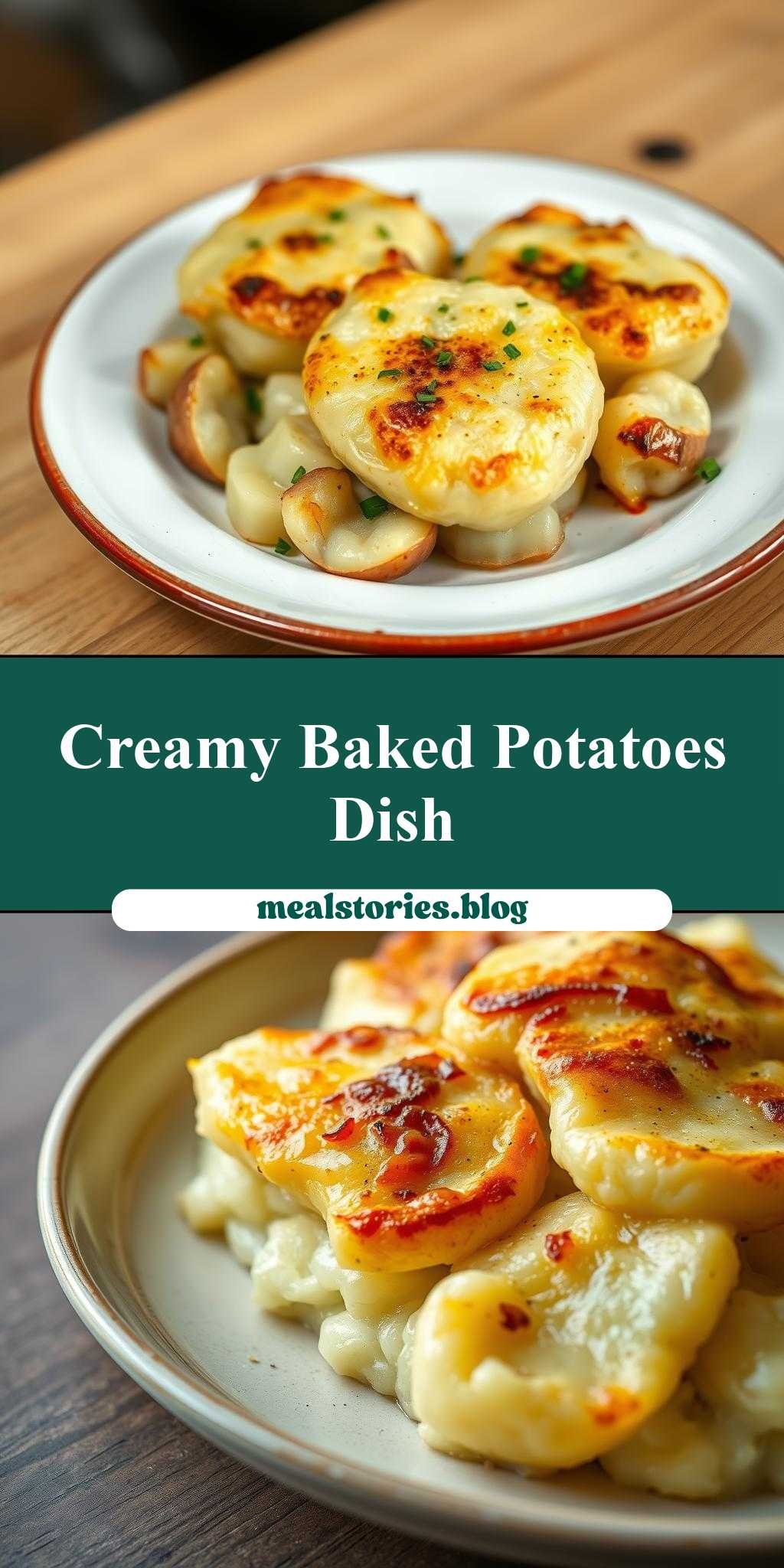
What makes the perfect comfort food dish? It all starts with tender potatoes, creamy sauce and a golden brown crust, like in this homemade scalloped potatoes recipe, perfect for a weeknight dinner or family favorite side dish, made easy with just a few key ingredients, Save this idea
this is an image of scalloped potatoes
Introduction
Imagine a dish that combines the comfort of creamy potatoes, the richness of cheese, and the simplicity of everyday ingredients, all layered to perfection in a golden, crispy masterpiece. This recipe for scalloped potatoes is not just a side dish; it’s an experience that will elevate any meal into a special occasion. With its ease of preparation, balanced flavors, and room for creativity, it’s a must-try for anyone looking to impress without the fuss. Whether you’re a seasoned chef or a beginner in the kitchen, this recipe is designed to delight, using ingredients you likely have on hand and techniques that are straightforward yet impactful.
Why This Works
- Flavor balance and ingredient accessibility: The combination of potatoes, cheese, and creamy sauce creates a depth of flavor that is both comforting and sophisticated, all while using ingredients that are readily available in most supermarkets.
- Ease of preparation: Despite its impressive presentation, scalloped potatoes are surprisingly easy to make. The steps are simple, and the dish can be prepared ahead of time, making it perfect for busy days or special occasions.
- Impressive results with minimal effort: The layering of sliced potatoes, cheese, and sauce creates a visually appealing dish that suggests much more labor than it actually requires, making it an ideal choice for entertaining or potlucks.
Key Ingredients
The main ingredients for this recipe include thinly sliced potatoes, a blend of cheeses (such as cheddar and parmesan for a sharp and nutty flavor), a creamy sauce (which can be made with butter, flour, and milk or substituted with a store-bought alternative for convenience), and seasonings like salt, pepper, and garlic powder to enhance the flavor. For practical substitutions, you can use different types of cheese based on your preference or what’s available, and for a gluten-free option, ensure that your sauce and any additional seasonings are gluten-free. The versatility of this dish allows for creativity, so feel free to experiment with various cheeses, spices, or even adding some diced ham or bacon for added protein.
Instructions
- Step 1: Begin by preheating your oven to 375°F (190°C). While the oven is heating up, peel and thinly slice the potatoes. It’s crucial to slice them as uniformly as possible so that they cook evenly. Place the sliced potatoes in a large bowl of cold water to prevent them from turning brown.
- Step 2: In a saucepan, make the creamy sauce by melting butter over medium heat, then whisking in flour to create a roux, cooking for about a minute. Slowly pour in milk, whisking continuously to avoid lumps, and bring the mixture to a simmer. Let it cook until it thickens, then remove from heat and stir in your cheese blend until melted and smooth. Season with salt, pepper, and any additional spices you like.
- Step 3: In a greased 9×13-inch baking dish, create a layer of potatoes. You can slightly overlap them, but try to maintain a single layer. Pour some of the cheese sauce over the potatoes, making sure they’re all coated, then sprinkle with more cheese. Repeat this process until all ingredients are used, finishing with a layer of cheese on top.
- Step 4: Cover the dish with aluminum foil and bake for 45 minutes. Then, remove the foil and continue baking for an additional 20-30 minutes, or until the top is golden brown and the potatoes are tender when pierced with a fork. Remove from the oven and let it rest for a few minutes before serving.
Handy Tips
- For an extra crispy top, broil the scalloped potatoes for a couple of minutes after removing the foil, but keep a close eye to prevent burning.
- Experiment with different cheeses and spices to give the dish your personal touch.
- Consider using a mandoline for slicing the potatoes to get very thin, uniform slices.
- To avoid lumps in your sauce, whisk constantly when adding the milk, and make sure the roux is cooked enough to remove the raw flour taste.
Heat Control
Temperature control is crucial for achieving the perfect scalloped potatoes. The oven should be preheated to 375°F (190°C) for even cooking. When making the sauce, medium heat is ideal for melting the butter and cooking the roux without burning it. The simmering of the sauce should be gentle to prevent scorching and to ensure it thickens properly. For doneness, check that the potatoes are tender (a fork should slide in easily) and the top is golden brown.
Crunch Factor
The crunch factor in scalloped potatoes comes from the golden, cheesy crust on top. To achieve this, it’s essential to remove the foil during the last 20-30 minutes of baking, allowing the top to brown. If desired, a few minutes under the broiler can enhance this crunch, but be cautious not to burn the cheese. The contrast between the crispy top and the tender, creamy potatoes underneath is what makes this dish so appealing.
Pro Kitchen Tricks
- Use high-quality cheese for the best flavor. A combination of sharp cheddar and nutty parmesan provides a rich, depthful taste.
- Don’t overmix the sauce, as this can lead to an unpleasant texture. Stop whisking once the cheese is melted and the sauce is smooth.
- For easier cleanup, line the baking dish with parchment paper before adding the potatoes and sauce.
- Prepare ahead by slicing the potatoes and making the sauce a day in advance, storing them separately in the refrigerator until ready to assemble and bake.
Storage Tips
- Leftovers can be stored in the refrigerator for up to 3 days. Reheat in the oven at 350°F (175°C), covered with foil, until warmed through.
- For longer storage, scalloped potatoes can be frozen after baking. Let them cool, then cover tightly with plastic wrap or aluminum foil and freeze. Reheat from frozen, covered, at 350°F (175°C) until hot and bubbly.
- Use airtight, shallow containers for storing leftovers to prevent drying out and to make reheating easier.
Gift Packaging Ideas
While scalloped potatoes are typically served hot, they can be part of a gift basket or care package, especially if you’re gifting the ingredients or a frozen, ready-to-bake dish. Consider packaging the ingredients in a decorative basket or box, complete with a recipe card and any necessary utensils or spices. For a frozen dish, wrap it securely in plastic wrap or aluminum foil and place in a insulated bag with reheating instructions. This can be a thoughtful gift for new neighbors, friends in need, or as a welcome gift for college students or young adults starting their first kitchens.
Flavor Variations
- Different spices: Add some dried or fresh herbs like thyme, rosemary, or parsley to the sauce for added depth. A pinch of cayenne pepper can also add a nice kick for those who like a bit of heat.
- Creative toppings: Before the final layer of cheese, add some diced ham, bacon, or cooked vegetables like bell peppers or mushrooms to increase the nutritional value and variety of flavors.
- Ingredient swaps: Use sweet potatoes instead of regular potatoes for a slightly sweeter and nuttier flavor. You can also substitute the cheese with dairy-free alternatives for a vegan version.
Troubleshooting
- Texture problems: If the potatoes are not tender, it may be due to them being sliced too thickly or the dish not being baked for long enough. Check for doneness by piercing with a fork; it should slide in easily.
- Ingredient replacements: If you’re missing an ingredient, consider what its role is in the recipe. For example, if you don’t have cheddar, another sharp cheese could substitute. Always read labels to ensure any replacements fit dietary restrictions.
- Over/undercooking signs: The top should be golden brown, and the potatoes should be tender. If the top starts to brown too quickly, cover with foil to prevent burning. Undercooked potatoes will be hard and resistant to a fork.
FAQs
- Can I freeze it? Yes, scalloped potatoes can be frozen after baking. Let them cool, then wrap tightly and freeze. Reheat covered in the oven until hot and bubbly.
- Is it gluten-free? The recipe as described is not gluten-free due to the flour in the sauce. However, you can make it gluten-free by using gluten-free flour for the roux and ensuring all other ingredients are gluten-free.
- Can I double the recipe? Yes, you can double the recipe, but you may need to adjust the baking time. Keep an eye on it to ensure the potatoes are tender and the top is golden brown. A larger dish may require more time in the oven.
Conclusion
This recipe for scalloped potatoes is a versatile and delicious addition to any meal, offering a comforting blend of creamy sauce, tender potatoes, and a golden, cheesy crust. With its ease of preparation, flexibility in ingredients, and impressive presentation, it’s perfect for family dinners, special occasions, or as a thoughtful gift. Don’t be afraid to experiment with different flavors and ingredients to make it your own, and enjoy the process of creating a dish that’s sure to become a favorite. Whether you’re cooking for one or a crowd, this scalloped potatoes recipe is a must-try that will leave everyone wanting more.