
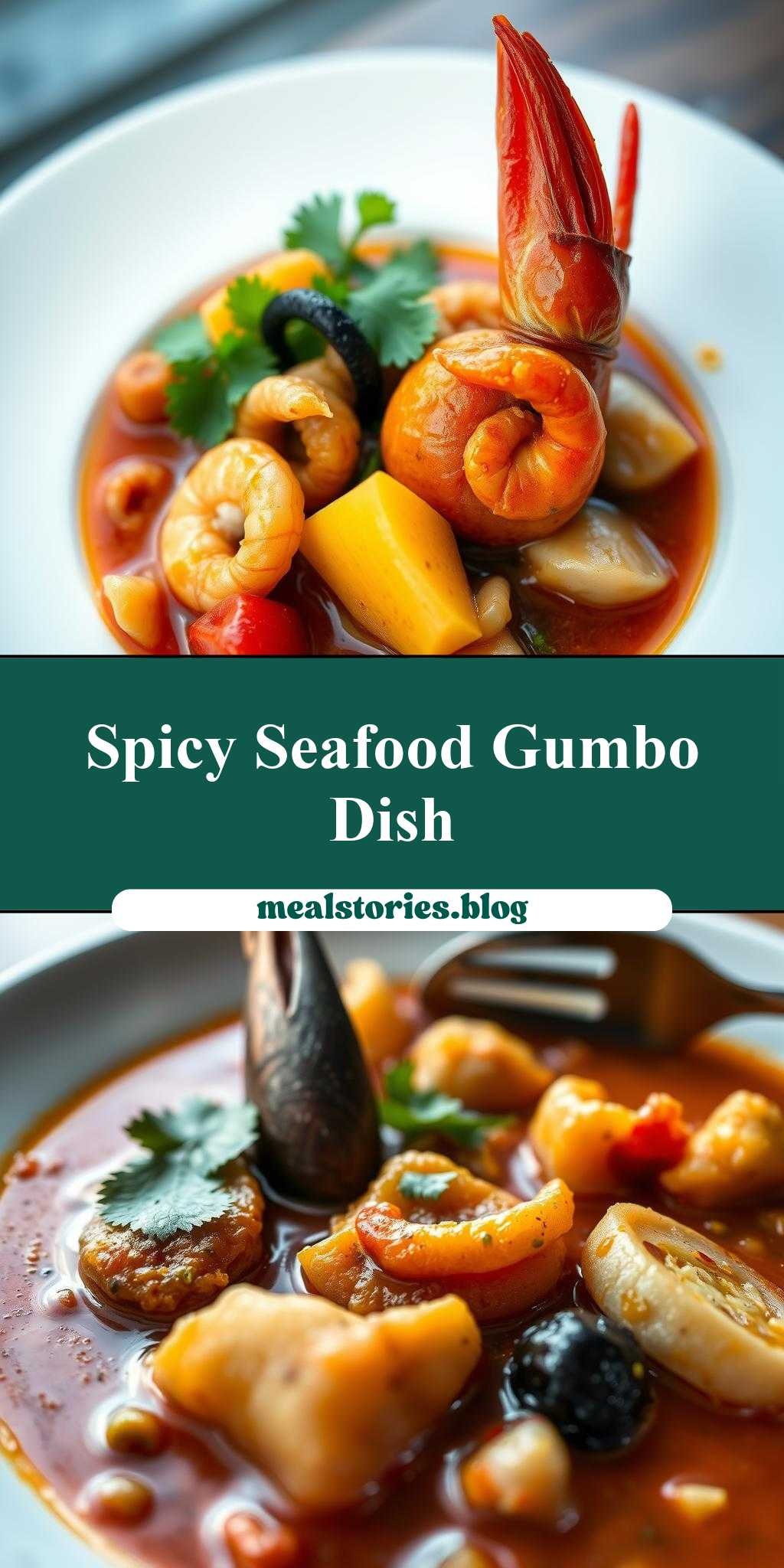
What makes a gumbo truly unforgettable? It’s all about the rich flavors and tender seafood in this easy homemade recipe, featuring succulent shrimp and spicy andouille sausage, perfect for a weeknight dinner. Save this idea for your next family favorite meal.
Seafood Gumbo
Introduction
Imagine a dish that combines the richness of the sea with the warmth of a hearty stew, all in one delicious, easy-to-make meal. Seafood Gumbo is a culinary masterpiece that embodies the spirit of Louisiana’s vibrant culture, blending the freshest seafood with a medley of spices and vegetables. This recipe is not only a treat for the taste buds but also a testament to the creativity that can be achieved with everyday ingredients. Whether you’re a seasoned chef or a beginner in the kitchen, Seafood Gumbo is an accessible and impressive dish that’s sure to become a favorite. With its perfect balance of flavors and textures, it’s a dish that will keep you coming back for more, and its ease of preparation makes it an ideal choice for any occasion.
Why This Works
- Flavor balance and ingredient accessibility: The combination of seafood, spices, and vegetables creates a depth of flavor that is both complex and approachable. The ingredients are easily found in most supermarkets, making this dish accessible to anyone.
- Ease of preparation: Despite its rich flavor profile, Seafood Gumbo is surprisingly easy to prepare. The steps are straightforward, and the ingredients are simple to work with, even for those new to cooking.
- Impressive results with minimal effort: The beauty of Seafood Gumbo lies in its ability to deliver an impressive, restaurant-quality meal with minimal fuss. The layers of flavor and the variety of textures create a dish that is sure to impress, whether you’re cooking for family or friends.
Key Ingredients
The foundation of a great Seafood Gumbo lies in its ingredients. For this recipe, you will need a variety of seafood such as shrimp, crab, and oysters, which provide the main protein and flavor components. The “holy trinity” of Cajun and Creole cuisine – onions, bell peppers, and celery – adds depth and aroma. Tomatoes, garlic, and a selection of spices including paprika, thyme, and cayenne pepper contribute to the rich flavor profile. Filé powder, a spice made from ground sassafras leaves, is traditionally used to thicken and flavor the gumbo, though okra or roux can also be used for thickening. Practical substitutions can be made based on personal preferences and availability of ingredients, such as using different types of seafood or spices to suit your taste.
Instructions
- Step 1: Begin by preparing your ingredients. Chop the onions, bell peppers, and celery. Measure out your spices and have your seafood ready. This step is crucial as it sets the stage for the rest of the cooking process, ensuring that everything is readily available when needed.
- Step 2: Cook your base ingredients. In a large pot, heat some oil over medium heat and sauté the chopped trinity until it’s soft and fragrant. Add your garlic and cook for another minute, stirring constantly to prevent burning. Then, add your tomatoes and spices, mixing well to combine. Let this simmer for a few minutes to allow the flavors to meld together.
- Step 3: Layer your flavors and textures. Add your seafood to the pot, starting with the ingredients that take the longest to cook, such as crab and shrimp. Let each type of seafood cook for a few minutes before adding the next, ensuring that each piece is cooked through but not overcooked. Finally, add any thickening agents you’re using, such as filé powder or okra, and stir well to combine.
- Step 4: Final touches and plating. Once your gumbo has reached the desired consistency and flavor, it’s time to serve. Traditionally, Seafood Gumbo is served over rice, which helps to soak up the flavorful broth. Garnish with chopped scallions or a dash of filé powder for added flavor and visual appeal.
Handy Tips
- One of the most helpful tips for making Seafood Gumbo is to not overcook your seafood. Each type of seafood has a different cooking time, and overcooking can lead to tough, rubbery textures that are unappealing. Cooking each type of seafood separately before adding it to the gumbo can help prevent this.
- Another useful tip is to taste as you go, adjusting the seasoning and spice level to your liking. The beauty of gumbo lies in its customization, so don’t be afraid to add more of any ingredient to suit your taste preferences.
- Avoid using low-quality ingredients, especially when it comes to the seafood. Fresh, sustainable seafood will make a significant difference in the flavor and quality of your gumbo.
Heat Control
Heat control is crucial when making Seafood Gumbo. The ideal temperature for cooking the gumbo is medium to low heat, as high heat can cause the ingredients to cook too quickly, leading to an unbalanced flavor and potentially burning the dish. The cooking time will depend on the types and quantities of seafood used, but as a general rule, the gumbo should simmer for at least 20 minutes to allow all the flavors to meld together. Signs of doneness include the seafood being cooked through, the vegetables being tender, and the broth reaching the desired consistency.
Crunch Factor
The crunch factor in Seafood Gumbo comes from the variety of textures included in the dish. The seafood provides a tender yet firm texture, while the vegetables add a softness. If desired, additional crunch can be achieved by adding ingredients like crispy fried okra or a sprinkle of toasted breadcrumbs on top of the gumbo before serving. The key to achieving the right texture is to cook each ingredient to the right doneness and to not overcook the dish, which can lead to a mushy, unappealing consistency.
Pro Kitchen Tricks
- One expert tip for making Seafood Gumbo is to make a dark roux as the base instead of using filé powder or okra for thickening. A dark roux adds a depth of flavor and a rich, velvety texture to the gumbo that is hard to replicate with other thickening agents.
- Using a variety of seafood is key to a great gumbo. Experiment with different types and combinations to find the flavor and texture you like best.
- For easier cleanup, prepare all your ingredients before starting to cook, and use a large, heavy pot that can distribute heat evenly. This will not only make the cooking process smoother but also reduce the risk of burning or scorching the gumbo.
Storage Tips
- Leftover Seafood Gumbo can be stored in the refrigerator for up to 3 days. It’s best to cool the gumbo to room temperature before refrigerating to prevent bacterial growth.
- For longer storage, the gumbo can be frozen. It’s recommended to freeze the gumbo without the rice, as the rice can become mushy when thawed. When reheating, simply thaw the gumbo overnight in the refrigerator and reheat it gently over low heat, serving over freshly cooked rice.
- The best containers for storing gumbo are airtight, microwave-safe containers. Glass containers are ideal as they can be used for both refrigeration and freezing.
Gift Packaging Ideas
While Seafood Gumbo is typically served hot and fresh, it can also be packaged and given as a gift, especially for occasions like holidays or as a care package. Consider packaging the gumbo in mason jars, which can be sealed and refrigerated or frozen. Add a decorative touch with a ribbon around the jar and a card with serving instructions. For a more substantial gift, pair the gumbo with a bag of crusty bread or a box of rice, along with some spices or hot sauce for added flavor.
Flavor Variations
- Different spices can significantly alter the flavor profile of Seafood Gumbo. Experiment with spices like cumin, coriander, or smoked paprika to give your gumbo a unique twist.
- Creative toppings can also enhance the dish. Consider adding a dollop of sour cream, some diced onions, or a sprinkle of chopped fresh herbs like parsley or cilantro.
- Ingredient swaps are another way to vary the flavor. Try using different types of protein like chicken or sausage, or substitute some of the seafood with mushrooms for a vegetarian option.
Troubleshooting
- Texture problems, such as a gumbo that’s too thick or too thin, can be solved by adjusting the amount of thickening agent used or by adding more broth.
- Ingredient replacements can be necessary if certain ingredients are not available. For example, if filé powder is hard to find, okra or roux can be used as a substitute.
- Overcooking or undercooking can be identified by the texture and appearance of the seafood and vegetables. Overcooked seafood will be tough and rubbery, while undercooked seafood will be raw and potentially unsafe to eat.
FAQs
- Can I freeze it? Yes, Seafood Gumbo can be frozen for up to 3 months. It’s best to freeze it without the rice and to thaw it overnight in the refrigerator before reheating.
- Is it gluten-free? Most Seafood Gumbo recipes are gluten-free, but it depends on the ingredients used. Be sure to check the ingredients of any store-bought spices or broths used in the recipe.
- Can I double the recipe? Yes, the recipe can be doubled or even tripled if needed. Just be sure to use a large enough pot and adjust the cooking time accordingly.
Conclusion
Making Seafood Gumbo is a journey that combines the joy of cooking with the pleasure of sharing a delicious meal with others. With its rich flavors, varied textures, and the flexibility to adapt to any taste, this dish is sure to become a staple in your culinary repertoire. Whether you’re a fan of spicy foods, a lover of seafood, or simply looking for a new challenge in the kitchen, Seafood Gumbo is a recipe that promises to deliver. So, don’t be afraid to experiment, to try new ingredients, and to make this recipe your own. And as you sit down to enjoy a steaming bowl of gumbo, remember the spirit of Louisiana that inspired this dish – a spirit of community, of sharing, and of the joy that comes from a meal well-made and well-shared.
Seafood Gumbo
A hearty and flavorful stew originating from Louisiana, combining the freshest seafood with a medley of spices and vegetables.
🥘 Ingredients
👩🍳 Instructions
-
1Heat oil in a large pot over medium heat.
-
2Sauté the chopped onion, celery, and bell peppers until they are soft.
-
3Add garlic, thyme, paprika, and cayenne pepper, and cook for 1 minute.
-
4Add the diced tomatoes, seafood broth, shrimp, crab meat, and oysters. Season with salt and pepper to taste.
-
5Bring the mixture to a boil, then reduce the heat to low and simmer, covered, for 20 minutes or until the seafood is cooked through.
-
6Stir in the filé powder and cook for an additional 5 minutes.
-
7Serve the gumbo over cooked rice.
-
8Garnish with chopped scallions or a dash of filé powder, if desired.