
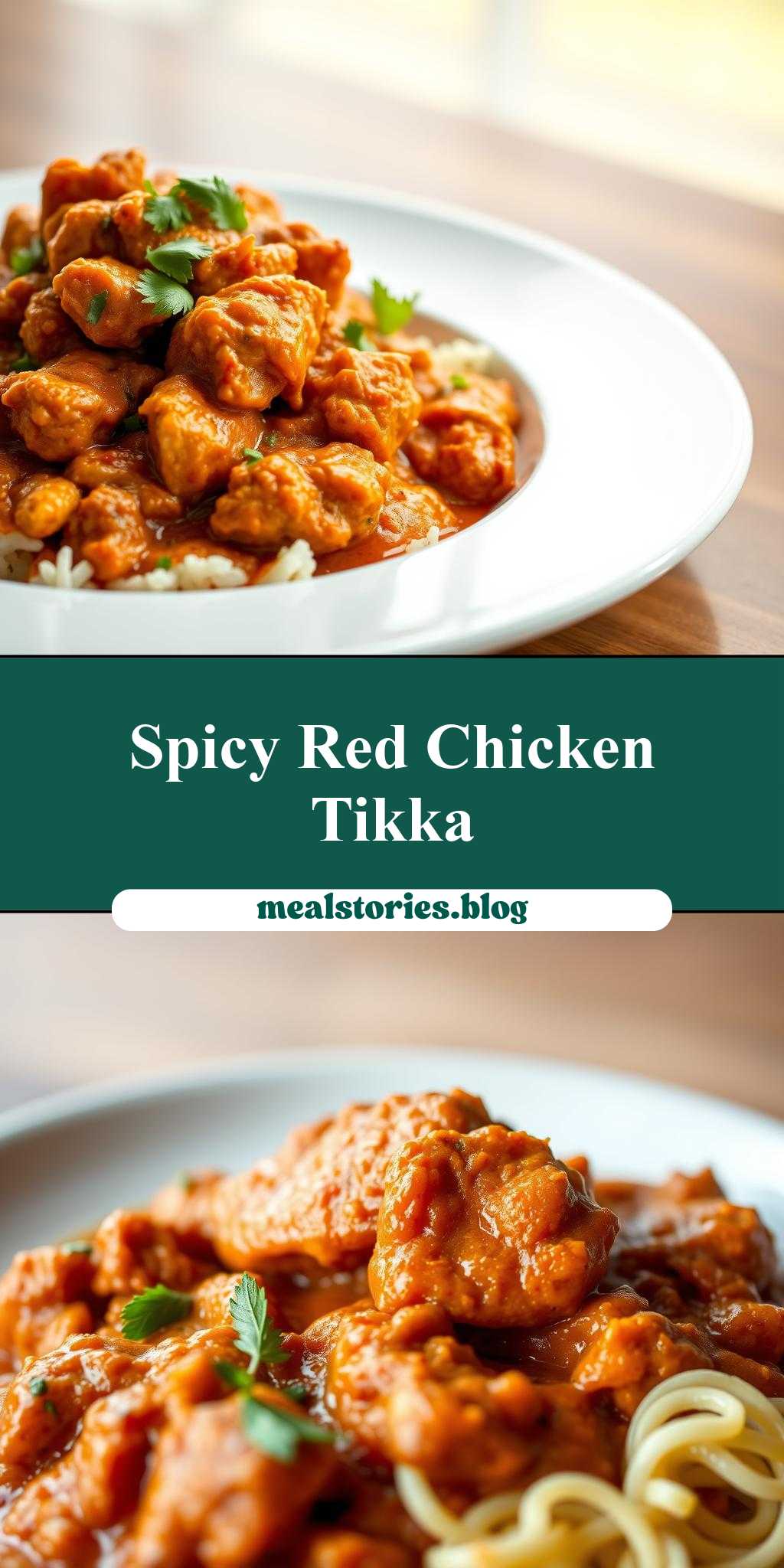
What makes Gordon Ramsay’s chicken tikka masala so irresistible? This easy weeknight dinner recipe uses tender chicken and rich tomato sauce for a homemade family favorite, perfect for a quick and delicious meal, save this idea
the cover of gordon ramsay’s chicken tikka masala is shown in red
Introduction
Gordon Ramsay’s Chicken Tikka Masala is a dish that embodies the perfect blend of flavors, creativity, and ease of preparation, making it a staple for any home cook or professional chef. The vibrant red color of the dish is not just visually appealing, but it also hints at the depth of flavor and the richness of the spices used. This recipe is all about transforming everyday ingredients into something truly impressive, and the best part is that it requires minimal effort for such an impressive outcome. Whether you’re a seasoned chef or just starting to explore the world of cooking, this Chicken Tikka Masala recipe is sure to delight your taste buds and leave you wanting more.
Why This Works
- Flavor balance and ingredient accessibility: The beauty of this recipe lies in its ability to balance a wide range of flavors, from the tanginess of the yogurt to the warmth of the spices, all while using ingredients that are easily accessible in most supermarkets.
- Ease of preparation: Despite its complex flavor profile, the dish is surprisingly easy to prepare. The steps are straightforward, and the ingredients are simple to work with, making it a great option for a weeknight dinner or a special occasion.
- Impressive results with minimal effort: One of the most appealing aspects of this recipe is the impressive results it yields with relatively minimal effort. The combination of marinating the chicken, cooking it in a flavorful sauce, and serving it over basmati rice creates a dish that looks and tastes like it was prepared in a high-end restaurant.
Key Ingredients
The key to a great Chicken Tikka Masala lies in the quality and combination of its ingredients. You’ll need boneless, skinless chicken breasts, a mix of spices including cumin, coriander, and cayenne pepper, plain yogurt, lemon juice, garlic, ginger, and a can of diced tomatoes. For the sauce, you’ll also need heavy cream or a non-dairy alternative, and some butter or oil for cooking. Practical substitutions can be made for some ingredients, such as using coconut cream instead of heavy cream for a dairy-free version or substituting the chicken with tofu for a vegetarian option. The bell peppers and onions add a nice crunch and flavor, but you can also use other vegetables like mushrooms or carrots to mix things up.
Instructions
- Step 1: Begin by preparing your ingredients. Chop the onions, bell peppers, and cilantro. Mince the garlic and ginger. Measure out your spices and have them ready to go. This prep work will make the cooking process much smoother and more enjoyable.
- Step 2: In a large bowl, whisk together the yogurt, lemon juice, garam masala, cumin, coriander, cayenne pepper, salt, and black pepper. Add the chicken to the marinade, mix well to coat, cover, and refrigerate for at least 30 minutes or up to 2 hours. Meanwhile, heat some oil in a large skillet over medium heat. Add the onions and cook, stirring occasionally, until they are lightly browned, about 8 minutes. Add the bell peppers and cook until they start to soften, about 5 minutes.
- Step 3: Remove the chicken from the marinade, letting any excess liquid drip off. Add the chicken to the skillet and cook until browned on all sides and cooked through, about 6-8 minutes. Transfer the chicken to a plate and cover with foil to keep warm. In the same skillet, add a bit more oil if necessary, then add the garlic and ginger. Cook, stirring constantly, for 1 minute. Stir in the diced tomatoes, heavy cream, and spices. Bring the mixture to a simmer.
- Step 4: Reduce the heat to low and let the sauce simmer, stirring occasionally, until it has thickened slightly, about 10-15 minutes. Add the cooked chicken back into the sauce and stir to coat. Taste and adjust the seasoning as needed. Serve the chicken and sauce over basmati rice, garnished with cilantro and a dollop of raita if desired.
Handy Tips
- Avoid overcooking the chicken. It should be cooked through but still moist and tender. If you’re unsure, use a thermometer to check for an internal temperature of 165°F (74°C).
- For a richer sauce, use more butter or add a splash of cream towards the end of cooking. For a lighter version, use less cream or substitute it with a non-dairy milk.
- Experiment with different spices to find the flavor combination you like best. Adding a bit of cinnamon or nutmeg can give the dish a unique twist.
Heat Control
Heat control is crucial in cooking Chicken Tikka Masala. When cooking the chicken, make sure the skillet is hot but not smoking. You want a nice sear on the chicken to lock in the juices. When simmering the sauce, keep the heat low to prevent it from boiling over or becoming too thick. Ideally, you want the sauce to simmer gently, reducing slightly as it cooks, which will help intensify the flavors.
Crunch Factor
The crunch factor in Chicken Tikka Masala comes from the bell peppers and onions, which add a nice texture contrast to the soft chicken and rich sauce. To achieve the perfect crunch, don’t overcook the vegetables. They should retain a bit of crispiness even after cooking. If you prefer a softer texture, you can cook them for a few minutes longer. Additionally, garnishing with fresh cilantro adds a fresh and herbaceous note to the dish.
Pro Kitchen Tricks
- Use high-quality ingredients. The flavor of your dish is only as good as the ingredients you put into it. Choose fresh vegetables, good quality spices, and tender chicken for the best results.
- Don’t rush the cooking process. Letting the sauce simmer for a good 10-15 minutes allows the flavors to meld together and the sauce to thicken, which is essential for a rich and satisfying Chicken Tikka Masala.
- Keep it clean as you go. Cleaning up as you cook can make the entire process more enjoyable and less overwhelming at the end.
Storage Tips
- Leftover Chicken Tikka Masala can be stored in the refrigerator for up to 3 days. Let it cool completely before refrigerating or freezing.
- For freezing, portion the dish into airtight containers or freezer bags, making sure to press out as much air as possible before sealing. Frozen Chicken Tikka Masala will keep for up to 3 months. Reheat gently in the microwave or on the stovetop until warmed through.
- When reheating, add a bit of water or cream if the sauce has thickened too much. This will help restore the sauce to its original consistency.
Gift Packaging Ideas
If you’re considering gifting Chicken Tikka Masala, perhaps for a potluck or as a care package, there are several creative ways to package it. For a more rustic look, use mason jars and decorate the lids with ribbon or a handwritten label. You can also use microwave-safe containers and add a side of basmati rice or naan bread for a complete meal. Don’t forget to include a card with reheating instructions to make it easy for the recipient to enjoy their gift.
Flavor Variations
- Different spices: Experiment with various spice blends to give your Chicken Tikka Masala a unique twist. For example, adding a bit of smoked paprika can give it a smoky flavor, while ground cinnamon adds a warm, aromatic taste.
- Creative toppings: Consider topping your dish with toasted almonds, crispy onions, or a dollop of yogurt to add texture and flavor contrast.
- Ingredient swaps: For a vegetarian version, substitute the chicken with extra-firm tofu or tempeh, marinated and cooked in a similar manner. You can also use different types of protein like shrimp or beef for a variation.
Troubleshooting
- Texture problems: If the sauce becomes too thick, add a bit of water or cream. If it’s too thin, simmer it for a few more minutes or add a tablespoon of cornstarch or flour to thicken.
- Ingredient replacements: If you can’t find a specific spice or ingredient, look for substitutes that offer similar flavor profiles. For example, if you can’t find garam masala, you can make a substitute blend using ground cinnamon, cardamom, and cloves.
- Over/undercooking signs: Make sure the chicken is cooked through and the vegetables are tender but not mushy. The sauce should be simmered until it reaches your desired consistency.
FAQs
- Can I freeze it? Yes, Chicken Tikka Masala freezes well. Cool it completely, then portion it into airtight containers or freezer bags, and store in the freezer for up to 3 months.
- Is it gluten-free? The basic recipe is gluten-free, but be sure to check the ingredients of your spices and yogurt to ensure they are gluten-free. Some store-bought yogurts or spice blends may contain gluten.
- Can I double the recipe? Yes, you can easily double or triple the recipe if you’re cooking for a larger crowd. Just keep an eye on the sauce as it simmers, as it may take a bit longer to thicken with more volume.
Conclusion
Gordon Ramsay’s Chicken Tikka Masala is a recipe that embodies the essence of good cooking: it’s about balance, flavor, and the joy of creating something delicious with everyday ingredients. This dish is a testament to the versatility of Indian cuisine and its ability to adapt and evolve while retaining its core flavors and traditions! Whether you’re a fan of spicy food, looking for a new chicken recipe, or simply wanting to explore the world of Indian cuisine, this Chicken Tikka Masala is sure to become a favorite. So go ahead, give it a try, and don’t hesitate to experiment and make it your own. Happy cooking!
the cover of gordon ramsay's chicken tikka masala is shown in red
A flavorful and easy-to-make Chicken Tikka Masala recipe, inspired by Gordon Ramsay, using accessible ingredients and simple cooking methods.
🥘 Ingredients
👩🍳 Instructions
-
1Heat oil in a pan over medium heat.
-
2Add the onions and cook until they start to brown, about 5 minutes.
-
3Add the bell peppers and cook for an additional 5 minutes, until they start to soften.
-
4Add the garlic, cumin, coriander, and cayenne pepper. Cook for 1 minute, stirring constantly.
-
5Add the chicken to the pan and cook until browned on all sides and cooked through, about 6-8 minutes.
-
6Add the diced tomatoes and heavy cream to the pan. Stir to combine, then reduce heat to low and simmer for 10-15 minutes, until the sauce has thickened slightly.
-
7Season with salt and pepper to taste, then garnish with fresh cilantro. Serve over basmati rice and enjoy.
-
8For a creamier sauce, add more heavy cream. For a lighter version, use less cream or substitute with a non-dairy milk.