
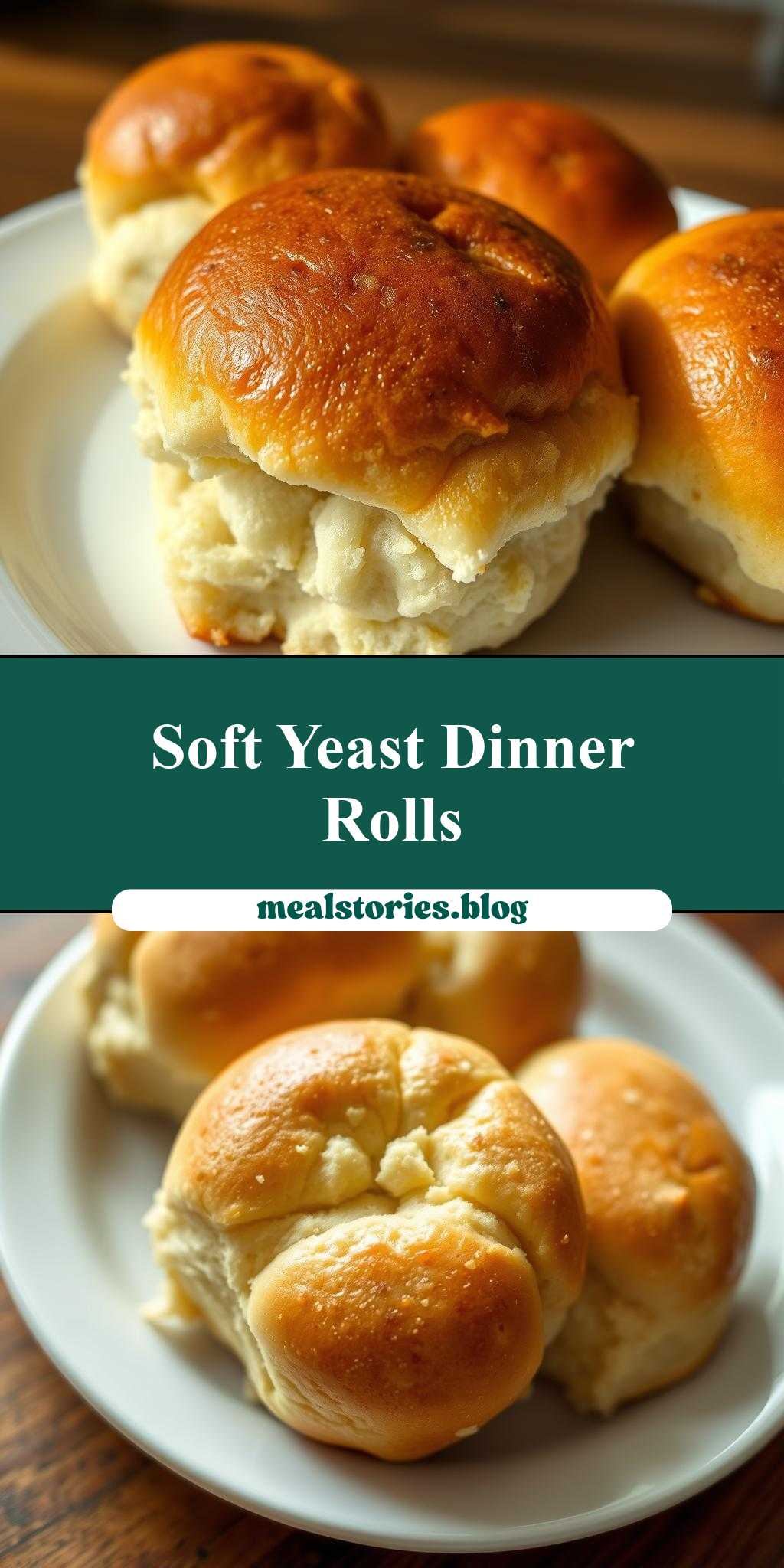
What makes a warm yeast dinner roll truly unforgettable? It’s the perfect blend of soft texture and rich flavor, achieved with simple ingredients like flour and butter. This easy homemade recipe is a weeknight dinner staple and family favorite. Save this idea for a deliciously comforting meal that’s sure to become a tradition.
Classic Yeast Dinner Rolls
Introduction
Imagine the warm, comforting aroma of freshly baked dinner rolls wafting from your oven, filling your home with an inviting scent that beckons everyone to the table. Classic Yeast Dinner Rolls are a staple in many households, and for good reason. They’re incredibly easy to make, requiring just a few everyday ingredients, and offer a canvas for creativity with various toppings and fillings. Whether you’re a seasoned baker or a beginner in the kitchen, these rolls are sure to impress with their soft, fluffy interior and golden, crispy crust. The best part? They’re made with ingredients you likely have on hand, making them an accessible delight for any meal.
Why This Works
- Flavor balance and ingredient accessibility: The combination of yeast, flour, sugar, and salt creates a perfectly balanced flavor profile that’s both savory and slightly sweet, all while using ingredients commonly found in most kitchens.
- Ease of preparation: Despite involving yeast, which can intimidate some bakers, these rolls are surprisingly straightforward to prepare. The dough comes together quickly, and the rising time, although it requires patience, is largely passive, allowing you to attend to other tasks while waiting.
- Impressive results with minimal effort: The end result of golden, soft dinner rolls is sure to impress dinner guests, all achieved with relatively minimal hands-on time and effort, making them a great option for special occasions or everyday meals alike.
Key Ingredients
The foundation of Classic Yeast Dinner Rolls includes warm water, active dry yeast, sugar, all-purpose flour, salt, and butter or oil. Each ingredient plays a crucial role: yeast for rise, sugar to feed the yeast, flour for structure, salt for flavor, and butter or oil for moisture and richness. For those looking for substitutions, consider using bread flour for a chewier texture or olive oil for a slightly different flavor profile. Additionally, for a dairy-free version, you can easily substitute butter with a vegan alternative.
Instructions
- Step 1: Begin by activating the yeast in warm water with a teaspoon of sugar. Let it sit for about 5 minutes, or until it becomes frothy, indicating the yeast is active and ready to use.
- Step 2: In a large mixing bowl, combine flour, salt, and the remaining sugar. Add the yeast mixture, followed by melted butter or oil, and mix until a shaggy dough forms. Knead the dough on a floured surface for about 10 minutes, until it becomes smooth and elastic.
- Step 3: Place the dough in a greased bowl, cover it with a damp cloth, and let it rise in a warm, draft-free place for about an hour, or until it has doubled in size. Once risen, punch down the dough and shape it into rolls. Let the rolls rise for another 30-45 minutes, or until they have puffed up slightly.
- Step 4: Bake the rolls in a preheated oven at 375°F (190°C) for about 12-15 minutes, or until they are golden brown. Remove them from the oven and let them cool on a wire rack for a few minutes before serving.
Handy Tips
- Ensure your yeast is fresh, as expired yeast can lead to poor rise or even failure to rise. Always check the expiration date before starting.
- Don’t overmix the dough, as this can lead to tough rolls. Mix just until the ingredients come together, then let the kneading process develop the gluten.
- Keep the rising area warm and draft-free. A cold environment or drafts can slow down the rising process or even stop it altogether.
Heat Control
When baking the rolls, it’s crucial to maintain the right oven temperature. An oven that’s too hot can burn the rolls before they’re fully cooked, while an oven that’s too cool can result in rolls that are pale and undercooked. Use an oven thermometer to ensure your oven is at the correct temperature. The rolls are done when they’re golden brown and sound hollow when tapped on the bottom.
Crunch Factor
The perfect dinner roll has a soft, fluffy interior and a crunchy, golden crust. To achieve this, make sure not to overbake the rolls. They should be golden but still yield to pressure when pressed gently. Brushing the tops with egg wash or melted butter before baking can also enhance the crust’s color and crunch.
Pro Kitchen Tricks
- For an extra crispy crust, try baking the rolls in a steamy oven. You can achieve this by placing a pan of water on the bottom rack of the oven while the rolls bake.
- To speed up the rising process, use a warm water bath. Place the bowl with the dough over a pot of warm water, ensuring the bowl doesn’t touch the water, and cover it with a towel to keep warm.
- For easier cleanup, line your baking sheet with parchment paper before placing the rolls on it to bake.
Storage Tips
- Leftover dinner rolls can be stored in an airtight container at room temperature for up to 2 days. For longer storage, consider freezing them. Simply place the cooled rolls in a freezer-safe bag or container and store in the freezer for up to 2 months. To reheat, thaw at room temperature or reheat frozen rolls in the oven at 350°F (175°C) for a few minutes until warmed through.
- For the best flavor and texture, consume the rolls within a day of baking. However, with proper storage, they can remain fresh for several days.
Gift Packaging Ideas
Classic Yeast Dinner Rolls make a wonderful gift, especially for neighbors, friends, or family members. Consider packaging them in a decorative basket or tin, lined with a cloth or paper to add a personal touch. You can also wrap individual rolls in parchment paper and tie with a ribbon for a more rustic, homespun look. Accompany your gift with a jar of homemade jam or butter for an extra-special treat.
Flavor Variations
- Different spices: Try adding a pinch of dried herbs like rosemary or thyme to the dough for a savory twist, or a bit of cinnamon or nutmeg for a sweet variation.
- Creative toppings: Before baking, brush the rolls with egg wash and sprinkle with sesame seeds, poppy seeds, or grated cheese for added flavor and texture.
- Ingredient swaps: For a whole wheat version, substitute some of the all-purpose flour with whole wheat flour. You can also add dried fruits or nuts to the dough for added texture and flavor.
Troubleshooting
- Texture problems: If your rolls turn out too dense, it might be due to overmixing the dough. If they’re too airy, the yeast might have over-fermented. Adjust your mixing and rising times accordingly for the next batch.
- Ingredient replacements: If you’re out of a particular ingredient, consider what you can substitute it with. For example, if you don’t have butter, you can use oil or margarine. Always consider the flavor and texture the substitute will add.
- Over/undercooking signs: Keep an eye on your rolls while they bake. If they’re getting too brown, cover the top with foil to prevent burning. Undercooked rolls will be pale and soft; give them a few more minutes in the oven and check again.
FAQs
- Can I freeze it? Yes, you can freeze the dough after the first rise, before shaping into rolls, or you can freeze the baked rolls. Frozen dough will need to be thawed and allowed to rise again before baking, while frozen baked rolls can be reheated directly.
- Is it gluten-free? No, this recipe uses all-purpose flour and is not gluten-free. However, you can experiment with gluten-free flours, keeping in mind that the texture and rise may differ.
- Can I double the recipe? Yes, you can easily double or even triple this recipe if you’re baking for a large crowd. Just ensure you have a large enough bowl for mixing and space in your oven for all the rolls.
Conclusion
Making Classic Yeast Dinner Rolls is a rewarding baking experience that yields delicious results with minimal effort. Whether you’re a beginner or an experienced baker, these rolls are sure to become a favorite. Don’t be afraid to experiment with different flavors and toppings to make the recipe your own. Share your freshly baked rolls with family and friends, and enjoy the joy of baking and sharing homemade goodness. Happy baking!
Classic Yeast Dinner Rolls
Soft, fluffy, and golden dinner rolls made with yeast, perfect for any meal.
🥘 Ingredients
👩🍳 Instructions
-
1Activate yeast in warm water with sugar.
-
2Mix flour, salt, and remaining sugar, then add yeast mixture and melted butter.
-
3Knead the dough and let it rise.
-
4Shape into rolls, let rise again, and bake at 375°F (190°C) for 12-15 minutes.