
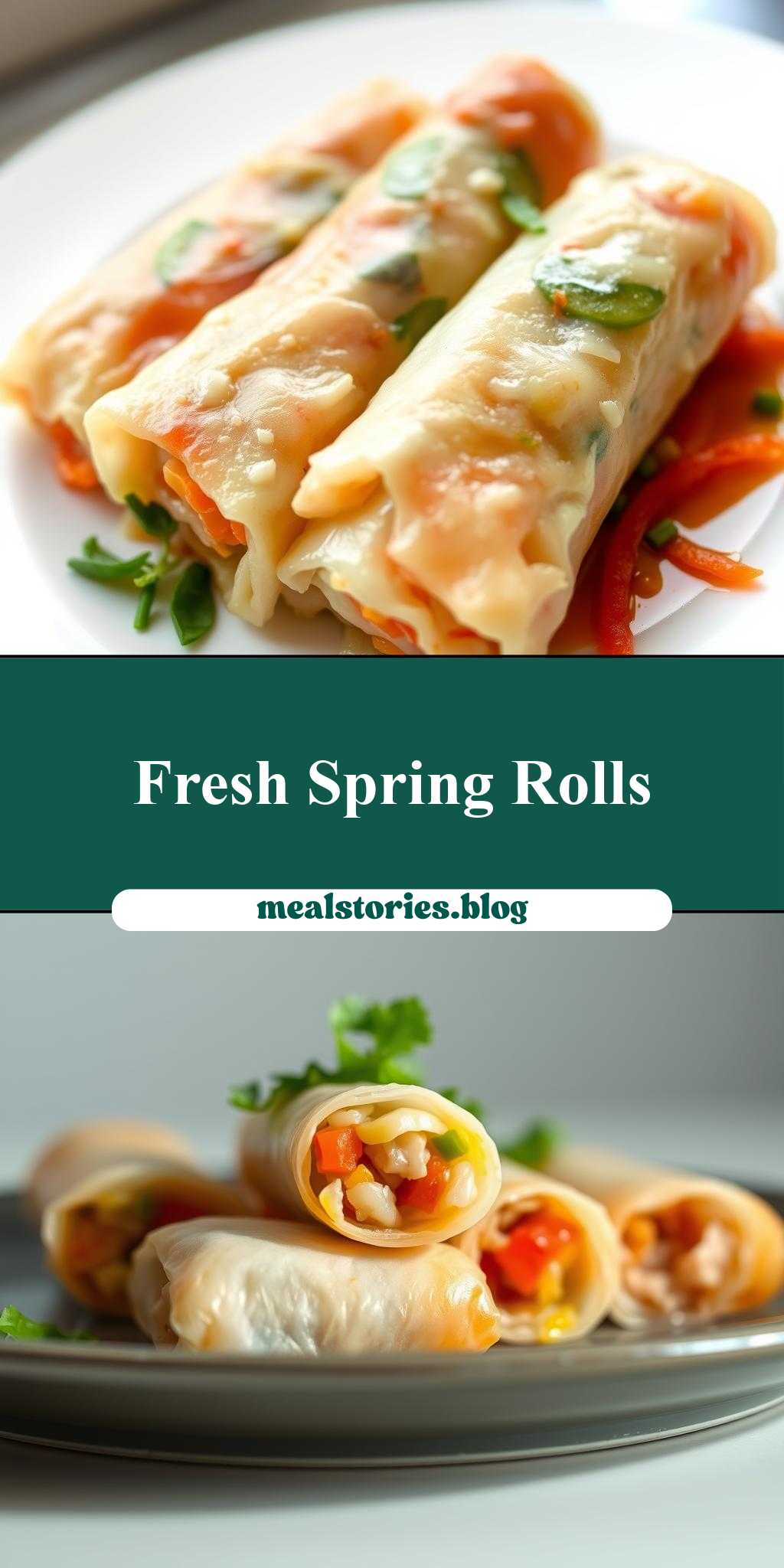
What makes a perfect weeknight dinner quick and easy while still being a family favorite? Lumpiang Sariwa, or Filipino Fresh Spring Rolls, is the answer, filled with shredded veggies and wrapped in homemade crepe-like wrappers, perfect for a fast and delicious meal, save this idea for your next homemade dinner inspiration
Lumpiang Sariwa (Filipino Fresh Spring Rolls)
Introduction
Lumpiang Sariwa, or Filipino Fresh Spring Rolls, is a dish that embodies the simplicity and freshness of Southeast Asian cuisine. These delightful rolls are filled with a mix of vegetables, sometimes meat or shrimp, and are wrapped in a delicate crepe-like wrapper made from flour and water. What makes Lumpiang Sariwa particularly appealing is its ease of preparation, the balance of flavors, and the creativity it allows in choosing fillings, making it a perfect dish for both beginners and experienced cooks. The best part is that you can make it with everyday ingredients, making it accessible to anyone looking to explore the vibrant flavors of the Philippines.
Why This Works
- Flavor balance and ingredient accessibility: Lumpiang Sariwa’s success lies in its well-balanced flavors and the ease of finding its ingredients. The freshness of the vegetables, the slight crunch of peanuts, and the softness of the wrapper all come together to create a delightful experience.
- Ease of preparation: Despite its elegant appearance, Lumpiang Sariwa is surprisingly easy to prepare. The filling can be customized with whatever vegetables are in season, and the wrapper, although it requires a bit of technique, can be mastered with a little practice.
- Impressive results with minimal effort: For such a simple dish, Lumpiang Sariwa offers impressive results. It’s perfect for gatherings or as a light lunch, and its presentation is sure to impress without requiring hours in the kitchen.
Key Ingredients
The main ingredients for Lumpiang Sariwa include a mixture of sautéed vegetables like cabbage, carrots, and bean sprouts, sometimes augmented with cooked chicken or shrimp. The wrapper is made from a batter of flour, water, and a bit of salt, cooked into thin, delicate sheets. For the sauce, a combination of peanut butter, soy sauce, garlic, and sometimes hoisin sauce is used, giving it a rich and savory flavor. Practical substitutions can include using different types of protein or swapping out vegetables based on what’s available, making it highly adaptable to different tastes and dietary needs.
Instructions
- Step 1: Begin by preparing the filling. Chop the cabbage, carrots, and bean sprouts finely and sauté them in a little oil until they’re tender but still crisp. If using, add cooked and shredded chicken or shrimp towards the end of cooking and mix well.
- Step 2: Prepare the wrapper batter by mixing flour, water, and a pinch of salt. The batter should be thin and free of lumps. Heat a small non-stick pan over medium heat and pour just enough batter to cover the bottom, tilting the pan to spread it evenly. Cook until the edges start to curl and the surface is dry, then remove and set aside. Repeat until all the batter is used up.
- Step 3: Assemble the Lumpiang Sariwa by laying a wrapper flat, placing about 2 tablespoons of the vegetable mixture in the center, and brushing the edges with a little water. Fold the bottom half over the filling, then fold in the sides and roll up the wrapper to form a tight cylinder. Repeat with the remaining wrappers and filling.
- Step 4: For the sauce, blend peanut butter, soy sauce, minced garlic, and a squeeze of lime juice until smooth. Adjust the seasoning as needed. Serve the Lumpiang Sariwa with the peanut sauce for dipping.
Handy Tips
- When making the wrappers, ensure the pan is hot before adding the batter, as this will help the wrapper cook evenly and prevent it from tearing. Also, don’t overfill the rolls, as they can be difficult to seal and may burst open when served.
Heat Control
For cooking the filling, medium heat is ideal to prevent burning and to ensure the vegetables retain their crunch. For the wrappers, the pan should be hot but not smoking, as high heat can cause the wrappers to cook too quickly and become brittle.
Crunch Factor
Lumpiang Sariwa is all about texture, with the crunch of the vegetables and peanuts complemented by the softness of the wrapper. To achieve the right crunch, don’t overcook the vegetables, and consider adding some chopped nuts or seeds to the filling for extra texture.
Pro Kitchen Tricks
- To make the process of wrapping easier, prepare all the components in advance and have them ready to go. This includes having the filling cooled, the sauce made, and the wrappers cooked and ready to be filled.
- For a shortcut, use pre-made spring roll wrappers found in most Asian grocery stores, which can save time and effort in making the wrappers from scratch.
Storage Tips
- Lumpiang Sariwa is best served fresh, but if you need to store it, keep the filled rolls in an airtight container in the refrigerator for up to a day. The sauce can be made ahead and stored in the fridge for up to 3 days. For longer storage, consider freezing the assembled but uncooked rolls, then thawing and serving as needed.
Gift Packaging Ideas
Lumpiang Sariwa can be a thoughtful gift, especially when packaged nicely. Consider placing the rolls in a decorative basket or box, accompanied by a side of peanut sauce in a small jar. Adding some fresh herbs or edible flowers can also make the presentation more appealing.
Flavor Variations
- Different spices: Adding a pinch of cumin or coriander can give the filling a unique twist, while a bit of chili can add heat.
- Creative toppings: In addition to the traditional peanut sauce, consider offering other toppings like a sweet chili sauce, a sprinkle of toasted sesame seeds, or some pickled vegetables.
- Ingredient swaps: Feel free to experiment with different proteins like tofu for a vegan version, or various vegetables to suit the season and your taste preferences.
Troubleshooting
- Texture problems: If the wrappers are too brittle, they might be overcooked. If they’re too soft, they might not be cooked enough. Adjust the cooking time accordingly.
- Ingredient replacements: If a specific ingredient is not available, look for substitutes that offer similar textures and flavors. For example, zucchini can replace cabbage in a pinch.
- Over/undercooking signs: The filling should be tender but crisp, and the wrappers should be cooked until they’re just dry and slightly curled at the edges. Overcooking can make the rolls tough and less appealing.
FAQs
- Can I freeze it? Yes, Lumpiang Sariwa can be frozen, but it’s best to freeze the assembled rolls before cooking. Simply thaw and cook as needed.
- Is it gluten-free? Depending on the type of flour used for the wrappers, Lumpiang Sariwa can be gluten-free. Look for gluten-free flour options or use rice paper wrappers as an alternative.
- Can I double the recipe? Absolutely, the recipe can be easily doubled or tripled to serve larger crowds. Just ensure you have enough wrappers and filling ingredients.
Conclusion
With its fresh flavors, adaptable ingredients, and elegant presentation, Lumpiang Sariwa is a dish that can bring joy and satisfaction to both the cook and the diner. Whether you’re looking to explore the flavors of the Philippines or simply want a new recipe to impress your friends, Lumpiang Sariwa is definitely worth trying. Feel free to experiment with the recipe, share your creations, and enjoy the process of cooking something truly special.
Lumpiang Sariwa (Filipino Fresh Spring Rolls)
A traditional Filipino dish made with fresh vegetables and sometimes meat or shrimp, wrapped in a delicate crepe-like wrapper and served with a savory peanut sauce.
🥘 Ingredients
👩🍳 Instructions
-
1Prepare the filling by sautéing the mixed vegetables and cooked chicken or shrimp in olive oil until tender.
-
2Make the peanut sauce by blending peanut butter, soy sauce, garlic, and a squeeze of lime juice until smooth.
-
3Prepare the wrapper batter by mixing flour, water, and a pinch of salt. Cook in a non-stick pan over medium heat, tilting to spread evenly.
-
4Assemble the Lumpiang Sariwa by placing the filling in the center of a wrapper, brushing the edges with water, and rolling up to form a tight cylinder.