
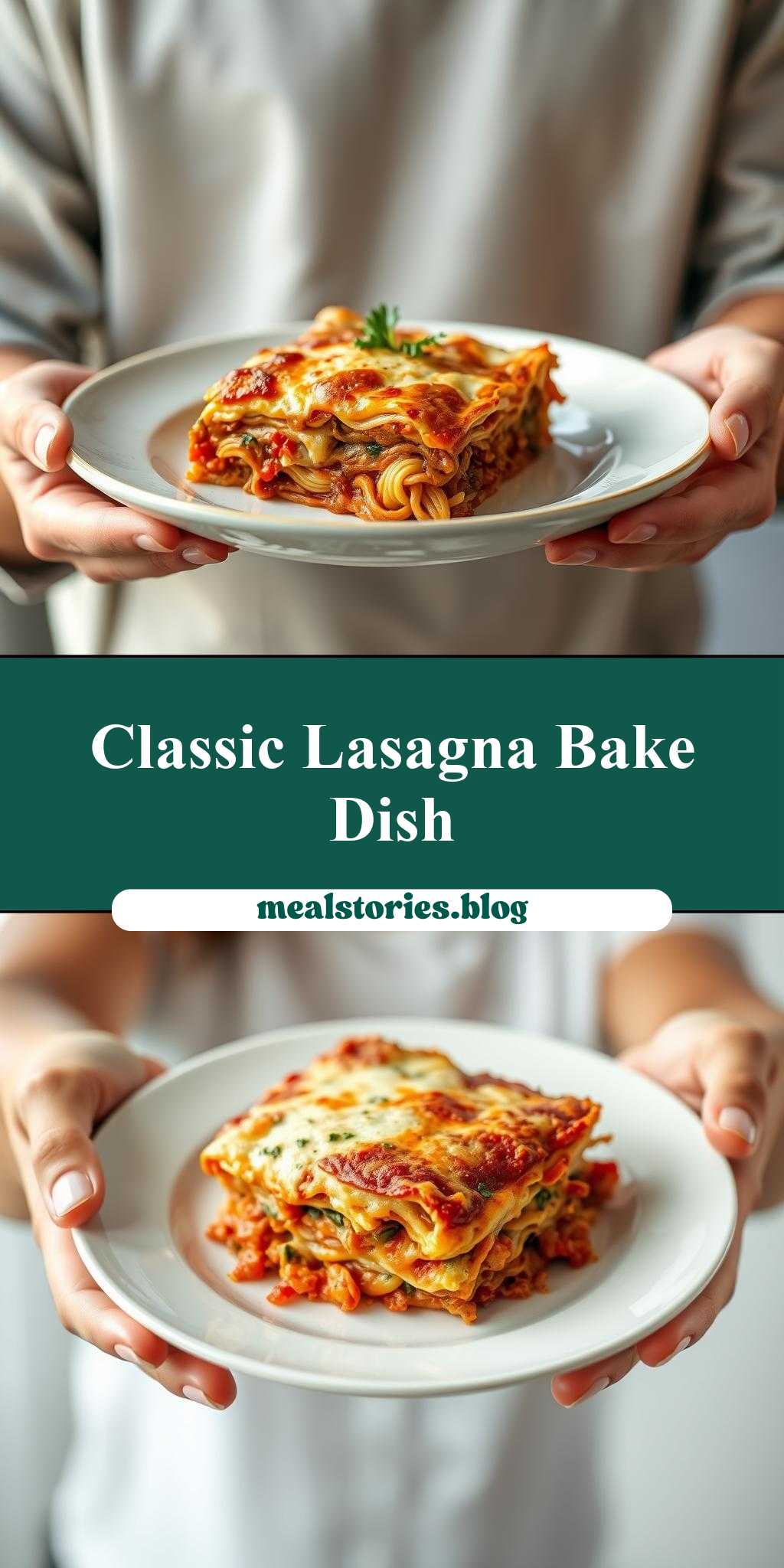
What makes a perfect weeknight dinner? A homemade lasagna casserole with layers of tender pasta and rich ground beef, all baked to perfection. This easy family favorite recipe is a quick solution for busy nights, featuring savory ground beef and melted mozzarella cheese. Save this idea for a delicious meal anytime.
a person holding a plate with lasagna casserole on it
Introduction
Imagine a dish that embodies the essence of comfort food, where layers of tender pasta, rich sauce, and creamy cheese meld together in perfect harmony. The lasagna casserole is a culinary masterpiece that achieves this and more, all while being surprisingly easy to make and incredibly versatile. Using everyday ingredients, this recipe transforms the ordinary into an extraordinary feast that will delight both family and friends. Whether you’re a seasoned chef or a beginner in the kitchen, this lasagna casserole recipe is a must-try, offering a balance of flavors and textures that will leave everyone wanting more.
Why This Works
- Flavor balance and ingredient accessibility: The combination of ground beef, tomato sauce, and a blend of cheeses creates a depth of flavor that is both satisfying and accessible, using ingredients that are readily available in most supermarkets.
- Ease of preparation: Despite its impressive presentation, the lasagna casserole is remarkably easy to prepare, requiring minimal specialized kitchen tools and straightforward steps that make it a joy to assemble and bake.
- Impressive results with minimal effort: One of the most appealing aspects of this recipe is its ability to deliver a stunning, restaurant-quality dish with relatively little effort, making it perfect for special occasions or a cozy night in.
Key Ingredients
The foundation of a great lasagna casserole lies in its ingredients. You’ll need lasagna noodles, a rich meat sauce made with ground beef, onions, garlic, and canned tomatoes, a white sauce comprising butter, flour, and milk, and a blend of cheeses including ricotta, mozzarella, and parmesan. Fresh basil adds a bright, herbaceous note, while salt and pepper season the dish to perfection. For practical substitutions, consider using ground turkey or vegetarian alternatives for the meat sauce, and dairy-free cheese options for those with dietary restrictions.
Instructions
- Step 1: Begin by preheating your oven to 375°F (190°C). While the oven is warming up, cook the lasagna noodles according to the package instructions until they are al dente, then set them aside. This step is crucial as it prevents the noodles from becoming too soft during the baking process.
- Step 2: Prepare the meat sauce by browning the ground beef in a large skillet over medium-high heat, breaking it apart as it cooks. Once the beef is browned, add the diced onions and minced garlic and cook until the onions are translucent. Then, add the canned tomatoes, salt, and pepper, stirring well to combine. Reduce the heat to low and let the sauce simmer while you prepare the white sauce.
- Step 3: To make the white sauce, melt the butter in a medium saucepan over medium heat. Add the flour and whisk to form a roux, cooking for about 1 minute. Slowly pour in the milk, whisking continuously to avoid lumps. Bring the mixture to a simmer and cook until it thickens, stirring occasionally. Remove from heat and set aside.
- Step 4: Now, it’s time to assemble the lasagna. Spread a layer of the meat sauce in the bottom of a 9×13-inch baking dish. Arrange 4 lasagna noodles on top of the sauce. Spread half of the ricotta cheese over the noodles, followed by half of the shredded mozzarella cheese. Repeat the layers, starting with the meat sauce, then the noodles, the remaining ricotta cheese, and finally the remaining mozzarella cheese. Top with the white sauce and sprinkle with parmesan cheese. Cover the baking dish with aluminum foil and bake for 30 minutes. Remove the foil and continue baking for an additional 10-15 minutes, or until the cheese is melted and bubbly.
Handy Tips
- One of the most helpful kitchen advice for making lasagna casserole is to ensure all your ingredients are ready and within reach before you start assembling the dish. This includes having your sauces, cheese, and noodles prepared and your oven preheated.
- Avoid overcooking the lasagna noodles, as they will continue to cook a bit in the oven. Al dente is the perfect texture for lasagna noodles.
- For a golden-brown top, broil the lasagna for a couple of minutes after removing the foil. Keep an eye on it to prevent burning.
Heat Control
Heat control is crucial when baking the lasagna casserole. The ideal temperature is 375°F (190°C), and the baking time is approximately 40-45 minutes. The first 30 minutes are with the dish covered in foil to prevent the top from burning and to ensure the cheese melts evenly. After removing the foil, continue baking for an additional 10-15 minutes, or until the top is golden brown and the cheese is bubbly. Signs of doneness include a heated-through center and a nicely browned top layer.
Crunch Factor
Achieving the right texture is key to a satisfying lasagna casserole. The dish should be tender, with the pasta cooked through but still retaining some firmness, and the cheese should be melted and creamy. For a crunch factor, consider adding a layer of toasted breadcrumbs or grated parmesan cheese on top before baking. This adds a satisfying crunch to the first bite. To achieve tenderness, ensure that the lasagna is not overbaked, and the cheese is melted to perfection.
Pro Kitchen Tricks
- One expert tip is to let! the lasagna rest for about 10-15 minutes before serving. This allows the juices to redistribute, making each slice cleaner and easier to serve.
- For a shortcut, use pre-made sauces or consider preparing components of the dish ahead of time, such as the meat sauce or the white sauce, and refrigerating or freezing them until you’re ready to assemble the lasagna.
- A cleanup hack is to line your baking dish with parchment paper before assembling the lasagna. This makes cleanup significantly easier, as the parchment paper can be simply thrown away after the dish is served.
Storage Tips
- For leftover storage, let the lasagna cool completely, then cover it with plastic wrap or aluminum foil and refrigerate for up to 3 days. It can also be frozen for up to 3 months. When reheating, cover the dish with foil and bake at 350°F (175°C) until heated through.
- The best containers for storing lasagna are airtight, shallow containers that prevent moisture from accumulating. Glass or plastic containers with tight-fitting lids are ideal.
- When freezing, consider portioning the lasagna into individual servings before freezing. This makes reheating and serving much more convenient.
Gift Packaging Ideas
If you’re considering gifting your lasagna casserole, presentation is everything. Transfer the cooled lasagna to a decorative baking dish or a foil pan, cover it with aluminum foil, and tie a ribbon around it. Include a card with reheating instructions and a personal note. For a more rustic touch, wrap the dish in a checkered tablecloth or a piece of parchment paper and tie with twine. This not only protects the dish during transport but also adds a charming, homemade touch.
Flavor Variations
- Different spices can dramatically alter the flavor profile of your lasagna. Consider adding a pinch of nutmeg or a sprinkle of red pepper flakes to the meat sauce for added depth.
- Creative toppings can elevate the dish. Try adding a layer of sautéed mushrooms, spinach, or bell peppers on top of the lasagna before adding the final layer of cheese.
- Ingredient swaps are a great way to experiment. Use different types of cheese, such as goat cheese or feta, for a unique flavor, or substitute the ground beef with ground turkey or vegetarian options like eggplant or zucchini.
Troubleshooting
- Texture problems, such as a dry or soggy lasagna, can often be traced back to overcooking or undercooking. Ensure your oven is at the correct temperature and adjust the baking time as needed.
- Ingredient replacements can sometimes affect the final texture or flavor. When substituting ingredients, consider their moisture content and flavor profile to adjust the recipe accordingly.
- Over/undercooking signs include a dry, cracked surface (overcooking) or a runny, underbaked center (undercooking). Adjust your baking time and temperature to achieve the perfect balance.
FAQs
- Can I freeze it? Yes, the lasagna casserole can be frozen for up to 3 months. It’s best to freeze it before baking, then thaw and bake as instructed when you’re ready to serve.
- Is it gluten-free? The traditional recipe includes lasagna noodles made from wheat, making it not gluten-free. However, you can easily make it gluten-free by substituting the noodles with gluten-free alternatives.
- Can I double the recipe? Yes, you can double the recipe, but keep in mind that you’ll need to adjust the baking time slightly. A larger lasagna may require an additional 10-20 minutes in the oven, so check it periodically to avoid overcooking.
Conclusion
With its layers of pasta, sauce, and cheese, the lasagna casserole is a dish that embodies warmth, comfort, and the joy of sharing a meal with others. Whether you’re a fan of traditional recipes or enjoy experimenting with new flavors, this dish is incredibly versatile and sure to please. So, go ahead and give it a try, and don’t hesitate to share your own tips, variations, and stories in the comments. Happy cooking, and buon appetito!