
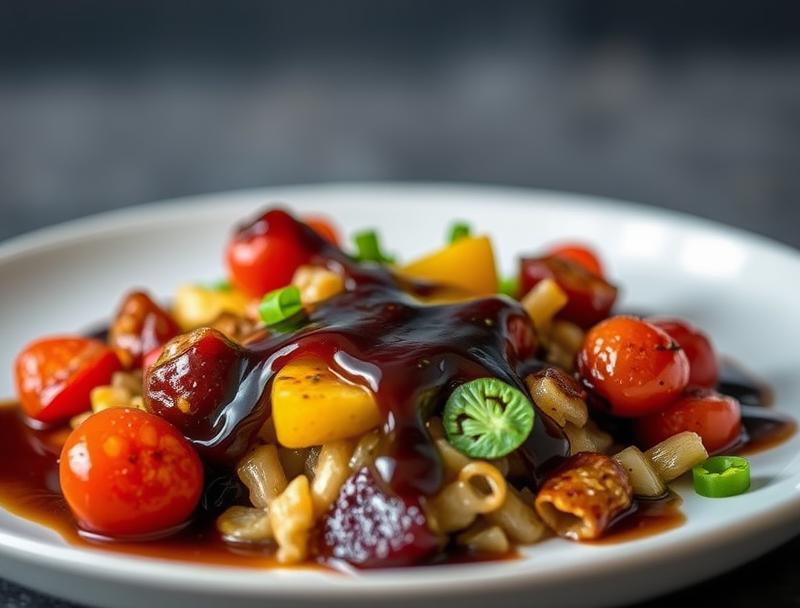
Balsamic Glaze Recipe
Introduction
Imagine a rich, velvety sauce that elevates any dish to a new level of flavor and sophistication. Welcome to the world of balsamic glaze, a culinary delight that is surprisingly easy to make and incredibly versatile. With just a few everyday ingredients, you can create a sauce that adds depth, sweetness, and a tangy kick to anything from salads and meats to cheeses and vegetables. In this article, we’ll guide you through the simple process of making balsamic glaze, sharing tips, tricks, and ideas to inspire your creativity in the kitchen.
Why This Works
- Flavor balance and ingredient accessibility: The beauty of balsamic glaze lies in its perfect balance of sweet and sour, achieved with readily available ingredients like balsamic vinegar and sugar.
- Ease of preparation: Despite its luxurious texture and complex flavor profile, balsamic glaze is remarkably easy to prepare, requiring minimal ingredients and effort.
- Impressive results with minimal effort: Whether you’re a seasoned chef or a beginner in the kitchen, balsamic glaze is sure to impress. It’s a simple way to add a gourmet touch to any meal without spending hours in preparation.
Ingredients
- 1 cup balsamic vinegar
- 1/2 cup granulated sugar
- 1 tablespoon water
- 1 teaspoon honey (optional, for a sweeter glaze)
Instructions
- Step 1: Begin by combining the balsamic vinegar, sugar, water, and honey (if using) in a small saucepan. Place the saucepan over medium heat and stir until the sugar has dissolved.
- Step 2: Bring the mixture to a boil, then reduce the heat to medium-low and simmer. The glaze will start to thicken and reduce; this process should take about 20-25 minutes, or until the glaze has reached your desired consistency.
- Step 3: Monitor the glaze closely as it thickens. You can test its consistency by drizzling a small amount of the glaze on a plate. If it doesn’t hold its shape, continue to simmer for a few more minutes and test again.
- Step 4: Once the balsamic glaze has reached the desired thickness, remove it from the heat and let it cool to room temperature. It will thicken further as it cools. Once cooled, transfer the glaze to an airtight container for storage.
Handy Tips
- For a smoother glaze, strain it through a fine-mesh sieve before cooling and storing.
- Adjust the amount of sugar to your taste, depending on how sweet or tangy you prefer the glaze.
- Always use a high-quality balsamic vinegar for the best flavor.
Heat Control
Maintaining the right heat is crucial when making balsamic glaze. After bringing the mixture to a boil, reduce the heat to medium-low to prevent the glaze from burning or becoming too dark. Ideal simmering temperature is around 180°F to 190°F (82°C to 88°C), and the process should take about 20-25 minutes, depending on the desired thickness of the glaze.
Crunch Factor
Balsamic glaze is all about achieving a smooth, velvety texture. To ensure this, it’s essential to cook the glaze slowly and patiently, allowing it to reduce and thicken gradually. The glaze is ready when it coats the back of a spoon thickly and doesn’t drip off immediately.
Pro Kitchen Tricks
- Use balsamic glaze as a marinade or a brushing sauce for meats before grilling or roasting for added flavor.
- Experiment with flavor variations by adding different spices or herbs to the glaze during the simmering process.
- For a quicker glaze, you can start with a balsamic vinegar that is already somewhat reduced or use a balsamic glaze concentrate as a base.
Storage Tips
- Store balsamic glaze in an airtight container in the refrigerator for up to 6 months.
- Reheat the glaze gently before use if it has thickened too much in the fridge.
- Consider transferring the cooled glaze to ice cube trays and freezing. Frozen glaze cubes can be easily thawed and used as needed.
Gift Packaging Ideas
Balsamic glaze makes a lovely gift, especially when packaged with thought and flair. Consider filling decorative glass bottles or jars with the glaze, and then wrapping them in a gift basket filled with complementary items like artisan cheeses, crackers, and fresh fruits. Add a ribbon and a gift tag with suggestions for using the glaze, and you have a thoughtful and unique culinary gift.
Flavor Variations
- 🌟 Infuse the glaze with garlic by adding minced garlic to the saucepan during the simmering process.
- 🌟 Add a pinch of red pepper flakes for a spicy kick.
- 🌟 Experiment with herbs like thyme or rosemary for a more savory glaze.
Troubleshooting
- Texture problems: If the glaze becomes too thick, you can thin it out with a little water. If it’s too thin, simmer it for a few more minutes to reduce it further.
- Ingredient replacements: While traditional balsamic vinegar is preferred, you can experiment with other types of vinegar for different flavor profiles. However, keep in mind that the result may not be as rich or complex.
- Over/undercooking signs: The glaze is undercooked if it’s too runny and overcooked if it’s too thick and caramelized. Adjust the cooking time based on your desired consistency.
FAQs
- Can I freeze it? Yes, balsamic glaze can be frozen. Transfer the cooled glaze to an airtight container or ice cube trays and store in the freezer for up to a year. Thaw frozen glaze in the refrigerator or at room temperature when needed.
- Is it gluten-free? Yes, traditional balsamic glaze made with balsamic vinegar and sugar is gluten-free, making it a great option for those with gluten intolerance or sensitivity.
- Can I double the recipe? Absolutely, you can double or triple the recipe if you need a larger quantity of glaze. Just keep an eye on the glaze as it simmers, as the cooking time may vary slightly with larger quantities.
Conclusion
Making balsamic glaze at home is a simple yet rewarding process that opens up a world of culinary possibilities. With its rich, complex flavor and versatile uses, balsamic glaze is sure to become a staple in your kitchen. Don’t be afraid to experiment with different flavors and ingredients, and enjoy the process of creating something truly special. Whether you’re a food enthusiast, a busy home cook, or an aspiring chef, balsamic glaze is a delicious and easy way to elevate your meals and impress your friends and family.
Balsamic Glaze Recipe
A simple recipe for making balsamic glaze at home, perfect for adding a rich, velvety texture and complex flavor to various dishes.
🥘 Ingredients
👩🍳 Instructions
-
1Combine balsamic vinegar, sugar, water, and honey (if using) in a saucepan.
-
2Bring the mixture to a boil, then reduce the heat and simmer for about 20-25 minutes or until the glaze reaches the desired consistency.
-
3Remove from heat and let cool to room temperature before transferring to an airtight container for storage.