
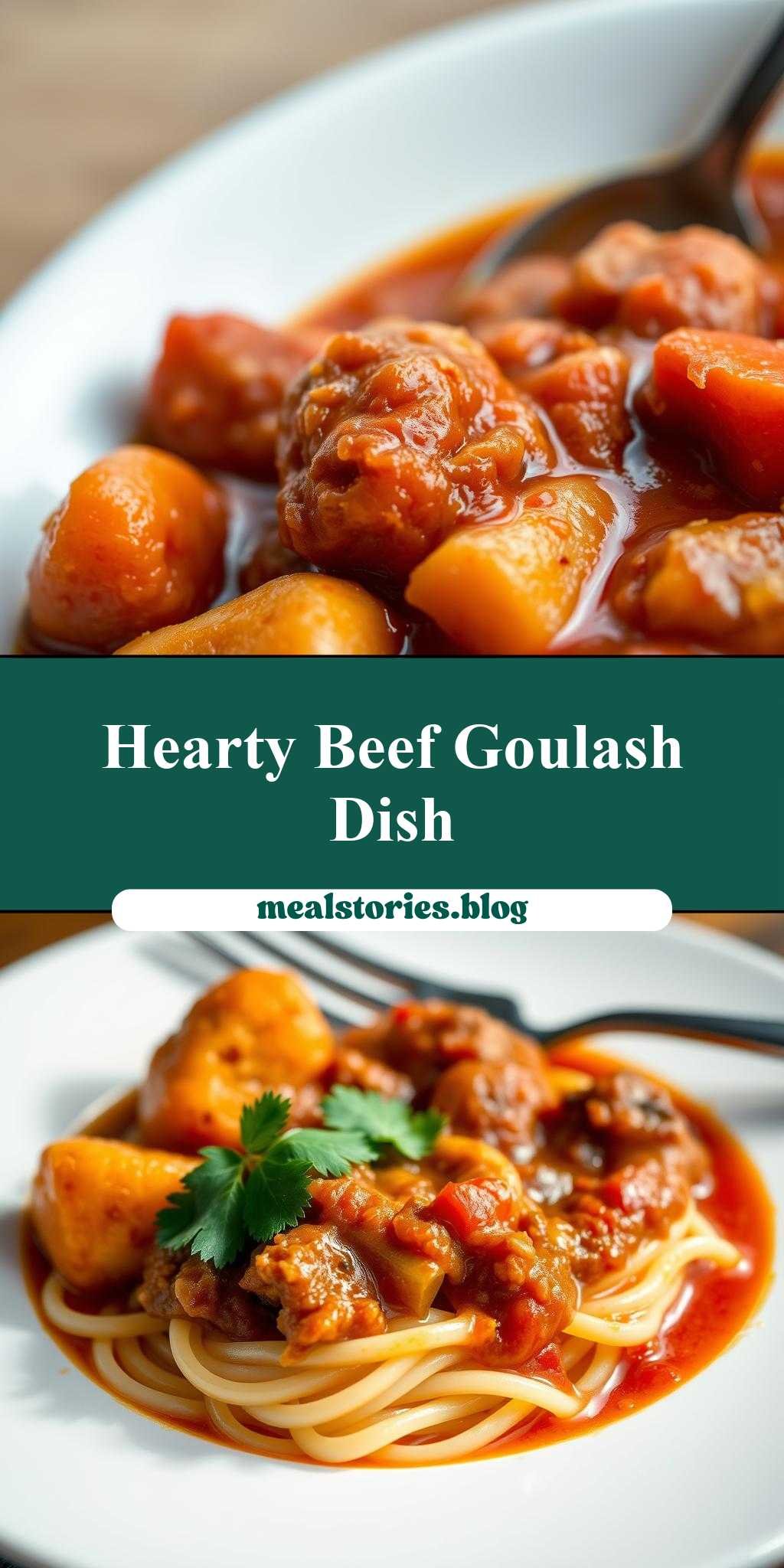
What makes a perfect comfort food dish on a chilly evening? This homemade goulash recipe is a quick and easy weeknight dinner solution, packed with tender beef and rich tomatoes. Save this idea for a family favorite meal that’s sure to become a staple.
Goulash
Introduction
Goulash is a hearty, warming dish that embodies the perfect blend of ease, flavor, and creativity, all while utilizing everyday ingredients that are likely already stocked in your pantry. This traditional Hungarian stew has been a staple of comfort food for generations, and its appeal lies not only in its rich, satisfying taste but also in its versatility and simplicity. Whether you’re a seasoned chef or a beginner in the kitchen, goulash is an excellent choice for a weeknight dinner or a special occasion, as it can be easily customized to suit any taste or dietary preference. The beauty of goulash lies in its ability to transform humble ingredients into a culinary masterpiece, making it an ideal dish for those looking to impress without fuss.
Why This Works
- Flavor balance and ingredient accessibility: Goulash achieves a perfect balance of flavors through the combination of tender meat, fresh vegetables, and aromatic spices, all of which are readily available in most supermarkets.
- Ease of preparation: The preparation of goulash is remarkably straightforward, involving basic cooking techniques such as sautéing, boiling, and simmering, making it accessible to cooks of all skill levels.
- Impressive results with minimal effort: Despite its simplicity, goulash presents beautifully and tastes complex, making it an impressive dish to serve to guests without requiring excessive time or effort in the kitchen.
Key Ingredients
The core of a classic goulash recipe includes beef (though pork, lamb, or a combination can also be used), onions, garlic, carrots, potatoes, bell peppers, tomatoes (or tomato paste), and a variety of spices including paprika, caraway seeds, and sometimes cayenne pepper for an extra kick. Beef broth and sometimes red wine are used to create a rich, flavorful broth. Practical substitutions can be made based on personal preferences or dietary needs; for example, using leaner meats, adding more vegetables, or substituting beef broth with a vegetarian alternative. The key to a great goulash is using high-quality ingredients and not being afraid to experiment and adjust the seasoning to taste.
Instructions
- Step 1: Begin by preparing your ingredients. Chop the onions, garlic, carrots, potatoes, and bell peppers into bite-sized pieces. Cut the beef into cubes and season with salt and pepper.
- Step 2: In a large pot or Dutch oven, heat a couple of tablespoons of oil over medium heat. Add the beef and cook until browned on all sides, then remove the beef from the pot and set it aside. Add more oil if necessary, then sauté the onions and garlic until they are softened and fragrant.
- Step 3: Add the chopped carrots, potatoes, and bell peppers to the pot, cooking for a few minutes until they begin to soften. Then, add the paprika, caraway seeds, and any other spices you’re using, stirring well to combine. Return the beef to the pot, add the diced tomatoes (or tomato paste) and beef broth, and bring the mixture to a boil.
- Step 4: Reduce the heat to low and let the goulash simmer, covered, for about 1.5 to 2 hours, or until the meat is tender and the vegetables are cooked through. Season with salt and pepper to taste, and serve hot, garnished with fresh parsley or sour cream if desired.
Handy Tips
- Always brown the meat properly at the beginning, as this step enhances the flavor of the dish. Similarly, don’t rush the sautéing of the onions and garlic, as they form the flavor base of the goulash.
- Consider using a slow cooker for a hands-off approach. Consider using a slow cooker for a hands-off approach. Brown the meat and sauté the vegetables in a skillet, then transfer everything to the slow cooker with the remaining ingredients and cook on low for 6-8 hours.
- Avoid overcooking, as it can make the meat tough and the vegetables mushy. It’s better to err on the side of undercooking slightly, as the goulash will continue to cook a bit after it’s removed from the heat.
Heat Control
Heat control is crucial in cooking goulash. After bringing the mixture to a boil, it’s essential to reduce the heat to a simmer to prevent the ingredients from cooking too quickly. Ideal cooking temperature is around medium-low heat, where the liquid barely bubbles. Cooking time can vary depending on the cut of meat and the desired tenderness, but generally, it should simmer for at least an hour and a half. Signs of doneness include tender meat that falls apart easily and vegetables that are cooked through but still retain some of their texture.
Crunch Factor
The texture of goulash should be hearty and comforting, with tender pieces of meat and vegetables. To achieve the right consistency, it’s important not to overcook the dish. A bit of crunch from freshly added ingredients like parsley or a dollop of sour cream can add a pleasant contrast to the softness of the stew. If desired, serving the goulash with a side of crusty bread or over egg noodles can also provide a satisfying texture contrast.
Pro Kitchen Tricks
- Use a mixture of onion and garlic for added depth of flavor, and don’t be shy with the paprika, as it gives goulash its distinctive taste.
- Acidity, like a splash of vinegar or a can of diced tomatoes, can help balance the richness of the dish and enhance the flavors of the other ingredients.
- For an extra rich broth, use beef broth and red wine. The alcohol will cook off during the simmering process, leaving behind a deep, rich flavor.
Storage Tips
- Goulash can be stored in the refrigerator for up to 3 days. Let it cool completely before refrigerating or freezing to prevent bacterial growth.
- For freezing, portion the goulash into airtight containers or freezer bags, making sure to press out as much air as possible before sealing. Frozen goulash will keep for up to 3 months. When reheating, you can thaw it overnight in the fridge or reheat it directly from frozen in a pot on the stove or in the microwave, adding a bit of water if necessary to achieve the right consistency.
- The best containers for storing goulash are those that are airtight and can withstand freezing temperatures, such as glass containers with tight-fitting lids or heavy-duty freezer bags.
Gift Packaging Ideas
Goulash can be a thoughtful and practical gift, especially during colder months. Consider packaging it in insulated containers or thermoses to keep it warm during transport. For a more rustic appeal, fill mason jars with the goulash, leaving enough headspace for expansion during freezing, and decorate the jar with a ribbon and a gift tag. Including a side of crusty bread or some egg noodles in a separate container can make the gift even more special and complete.
Flavor Variations
- Different spices: Experiment with various types of paprika, such as sweet or smoked, to give your goulash a unique flavor profile. Other spices like cumin, coriander, or chili powder can also add interesting dimensions.
- Creative toppings: In addition to sour cream and parsley, consider other toppings like grated cheese, diced onions, or a spoonful of sour pickles to add texture and flavor contrast.
- Ingredient swaps: For a vegetarian version, substitute the beef with portobello mushrooms or eggplant, and use a vegetable broth instead of beef broth. For a spicier goulash, add more cayenne pepper or introduce other spicy elements like diced jalapeños.
Troubleshooting
- Texture problems: If the goulash becomes too thick, add a bit of water or broth. If it’s too thin, simmer it uncovered for a while to reduce the liquid.
- Ingredient replacements: If you don’t have all the spices, focus on the paprika as it’s essential for the goulash flavor. You can also substitute beef with other meats or use vegetarian alternatives.
- Over/undercooking signs: Check the meat for tenderness and the vegetables for doneness. If the goulash is undercooked, continue to simmer it until the ingredients are tender. If it’s overcooked, serve it as soon as possible to prevent further cooking.
FAQs
- Can I freeze it? Yes, goulash freezes very well. Cool it down, then transfer it to airtight containers or freezer bags, and store it in the freezer for up to 3 months.
- Is it gluten-free? Traditional goulash recipes are gluten-free, but if you’re using a store-bought broth or certain types of beer, ensure they are gluten-free. Always check the ingredients of any store-bought components.
- Can I double the recipe? Yes, goulash can be easily doubled or tripled. Just ensure you have a large enough pot and adjust the cooking time slightly, as a larger quantity may take a bit longer to cook through.
Conclusion
Goulash is a versatile and satisfying dish that can be enjoyed in many different ways, making it a perfect addition to any meal rotation. With its hearty flavors and comforting warmth, it’s sure to become a family favorite. Don’t be afraid to experiment with different ingredients and spices to make the recipe your own, and consider sharing it with friends and family as a thoughtful gift. Whether you’re a food enthusiast or just looking for a simple, delicious meal, goulash is an excellent choice that is sure to please. So go ahead, give it a try and enjoy the process of creating something truly special in your kitchen.