
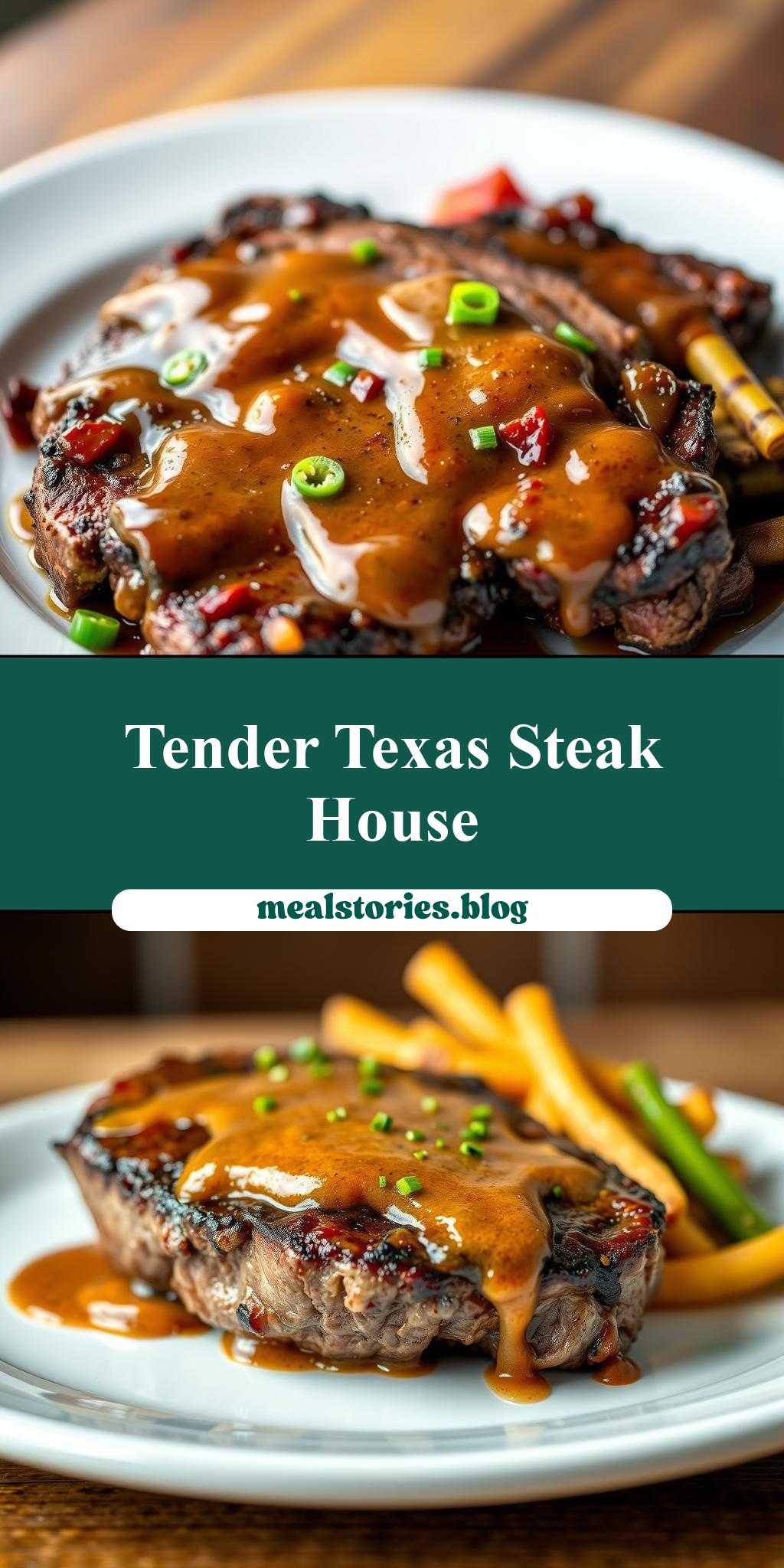
What makes a perfectly seasoned steak like the ones at Texas Roadhouse so irresistible? This easy homemade recipe uses tender ribeye and a savory garlic butter to recreate the magic at home for a quick weeknight dinner, save this idea.
Copycat Texas Roadhouse Steak
Introduction
Imagine sinking your teeth into a tender, juicy steak that’s bursting with flavor, just like the ones served at Texas Roadhouse. The good news is that you can recreate this culinary masterpiece in the comfort of your own home using everyday ingredients. This copycat recipe for Texas Roadhouse Steak is designed to be easy to follow, requiring minimal effort while yielding impressive results. The key to its success lies in the balance of flavors and the accessibility of its ingredients, making it a perfect dish for both beginners and seasoned cooks alike. Whether you’re looking to impress your family or entertain guests, this recipe is sure to become a staple in your kitchen.
Why This Works
- Flavor balance and ingredient accessibility: The combination of spices and seasonings used in this recipe creates a depth of flavor that complements the steak perfectly, and all the ingredients are easily found in most supermarkets.
- Ease of preparation: The steps involved in preparing this dish are straightforward and simple, making it ideal for those with busy schedules or limited cooking experience.
- Impressive results with minimal effort: Despite its simplicity, the end result is a dish that looks and tastes like it was prepared in a high-end restaurant, sure to impress anyone who tries it.
Key Ingredients
The main ingredients for this copycat Texas Roadhouse Steak include a high-quality steak (such as ribeye or sirloin), olive oil, butter, garlic, salt, black pepper, and a blend of spices that may include paprika, chili powder, and cayenne pepper. For practical substitutions, you can use different types of steak based on your preference or what’s available, and adjust the amount of spices according to your taste. Additionally, using fresh garlic instead of powdered garlic can enhance the flavor, and adding a squeeze of fresh lemon juice can add a nice brightness to the dish.
Instructions
- Step 1: Begin by preheating your oven to 400°F (200°C). While the oven is heating up, prepare your steak by bringing it to room temperature. This step is crucial as it helps the steak cook more evenly. Season the steak generously with salt, black pepper, and your blend of spices on both sides.
- Step 2: Heat a couple of tablespoons of olive oil in an oven-safe skillet over high heat. Sear the steak for 2-3 minutes on each side, or until a nice crust forms. After searing, reduce the heat to medium-low and add butter, minced garlic, and any additional spices you like to the skillet. Let the butter melt and the garlic infuse into the oil for about a minute, then spoon the garlic butter over the steak.
- Step 3: Transfer the skillet to the preheated oven and cook the steak to your desired level of doneness. Use a meat thermometer to check for internal temperatures: 130-135°F (54-57°C) for medium-rare, 140-145°F (60-63°C) for medium, and 150-155°F (66-68°C) for medium-well or well-done. Once the steak is cooked to your liking, remove it from the oven and let it rest for 5-10 minutes before slicing.
- Step 4: For the final touches, slice the steak against the grain into thin strips. Serve hot, garnished with fresh parsley or thyme, and accompanied by your choice of sides, such as mashed potatoes, steamed vegetables, or a fresh salad.
Handy Tips
- Always let your steak rest after cooking to allow the juices to redistribute, making the steak more tender and flavorful.
- Use a cast-iron or stainless steel skillet for the best sear, as these retain heat well.
- Don’t overcrowd the skillet; cook steaks one at a time if necessary, to ensure each gets a good sear.
- For an extra crispy crust, broil the steak for 1-2 minutes after cooking, watching carefully to avoid burning.
Heat Control
Heat control is crucial when cooking steak. The ideal temperature for searing is high, but once you move the steak to the oven, a moderate temperature of 400°F (200°C) is used to cook the steak through without burning the outside. The cooking time will depend on the thickness of your steak and your desired level of doneness. Always use a meat thermometer to ensure the steak reaches a safe internal temperature.
Crunch Factor
The crunch factor in this dish comes from the nice crust that forms on the steak during the searing process. To achieve this, make sure the skillet is very hot before adding the steak, and don’t move the steak during the searing time. This initial crust, combined with the garlic butter sauce spooned over the top, adds a richness and depth to the dish that complements the tender steak perfectly.
Pro Kitchen Tricks
- Use a thermometer not just for the steak but also for the oil in the skillet to ensure it reaches the ideal temperature for searing (around 400°F or 200°C).
- Don’t press down on the steak with your spatula while it’s searing, as this can squeeze out juices and make the steak tough.
- For easier cleanup, line your skillet with aluminum foil before cooking, especially if you’re worried about the butter and garlic sticking to the pan.
Storage Tips
- Leftover steak can be stored in the refrigerator for up to 3 days. Let it cool completely before refrigerating, and store it in an airtight container.
- To reheat, slice the steak thinly against the grain and warm it in a skillet with a little oil or butter over low heat, or use the microwave with caution to avoid overcooking.
- Freezing is not recommended as it can affect the texture of the steak, but if you must freeze, make sure the steak is wrapped tightly in plastic wrap or aluminum foil and placed in a freezer-safe bag. Frozen steak is best used within 3-4 months.
Gift Packaging Ideas
While steak itself might not be the most conventional gift, the idea of gifting a gourmet meal experience is certainly appealing. Consider packaging the spices used in the recipe, along with a bottle of good wine or a gourmet butter, in a nicely decorated basket or box. Include a printed copy of the recipe and some cooking tips for a personal touch. This could make for a unique and thoughtful gift for any steak lover.
Flavor Variations
- Different spices: Experiment with various spice blends, such as adding some cumin for a southwestern flavor or using smoked paprika for a smoky taste.
- Creative toppings: In addition to the garlic butter, consider topping your steak with sautéed mushrooms, caramelized onions, or a fried egg for added richness and texture.
- Ingredient swaps: For a leaner option, use a sirloin or flank steak. You can also substitute the butter with a healthier alternative like avocado oil, though this will change the flavor profile slightly.
Troubleshooting
- Texture problems: If your steak turns out tough, it might be overcooked. Make sure to check the internal temperature and not to overcook it. If it’s undercooked, return it to the oven for a few more minutes and check again.
- Ingredient replacements: If you’re missing a specific spice, look for substitutes that offer a similar flavor profile. For example, if you don’t have chili powder, you could use a bit of cayenne pepper for heat, though use it sparingly as it’s much hotter.
- Over/undercooking signs: An overcooked steak will feel hard to the touch and will have lost its juices. An undercooked steak will feel soft and squishy. Always use a thermometer for the most accurate results.
FAQs
- Can I freeze it? While it’s not recommended due to potential texture changes, you can freeze cooked steak for up to 3-4 months. It’s best to freeze it in an airtight container or freezer bag.
- Is it gluten-free? Yes, this recipe is naturally gluten-free, making it a great option for those with gluten intolerance or sensitivity.
- Can I double the recipe? Absolutely, you can easily double or even triple this recipe for larger groups. Just ensure you have a large enough skillet and adjust the cooking time slightly if necessary.
Conclusion
Recreating the Texas Roadhouse Steak experience at home is not only possible but also remarkably straightforward. With a few simple ingredients and some basic cooking techniques, you can enjoy a restaurant-quality steak in the comfort of your own home. Don’t be afraid to experiment with different spices and toppings to make the dish your own, and remember, practice makes perfect, so don’t be discouraged if your first attempt doesn’t turn out exactly as you hoped. With time and a bit of patience, you’ll be cooking steaks like a pro, and your family and friends will love you for it. Happy cooking!