
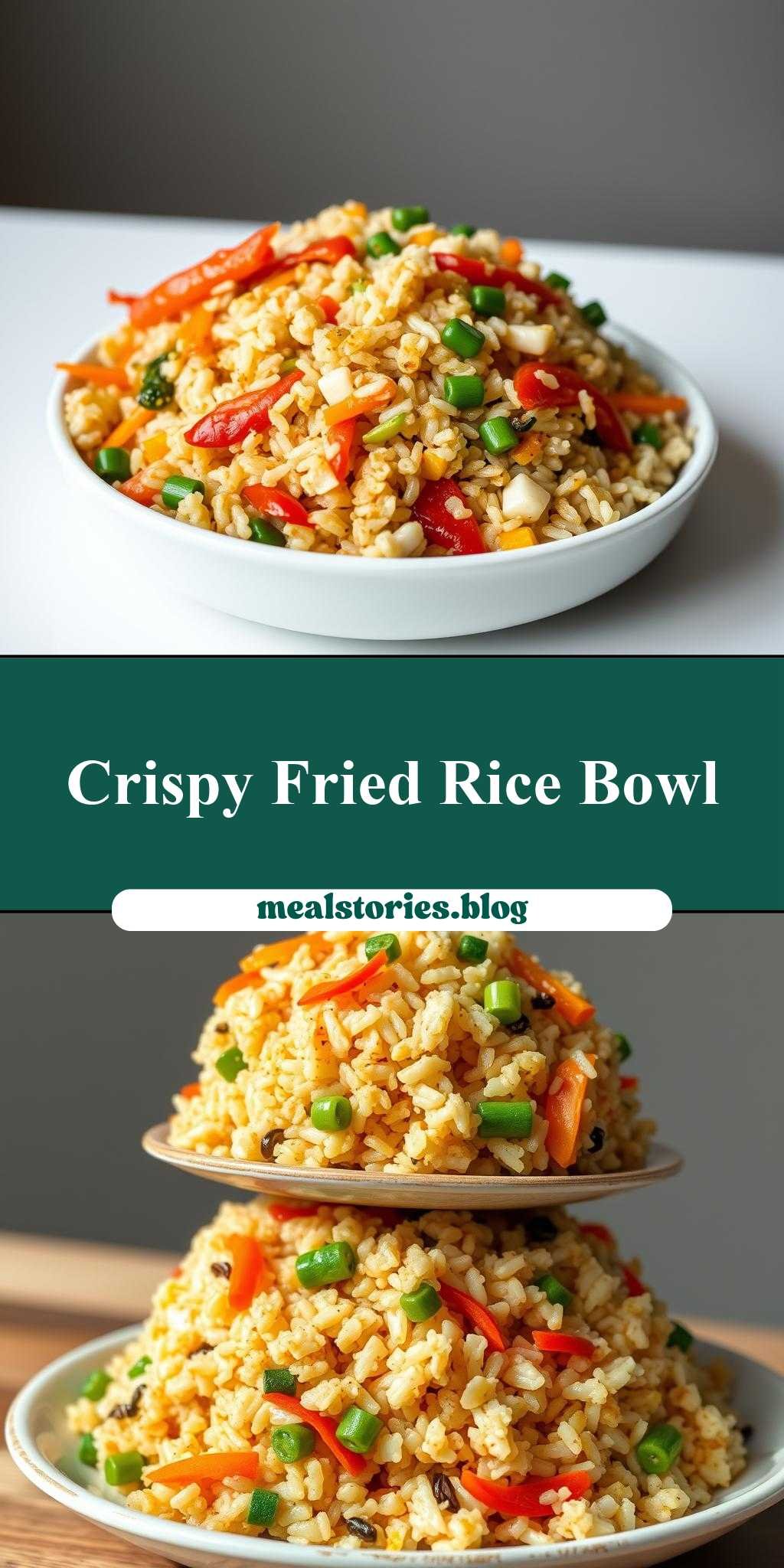
What makes the perfect fried rice recipe a game changer for weeknight dinners? This easy homemade version loaded with scrambled eggs and soy sauce infused vegetables is a quick solution, save this idea for a family favorite meal
two plates filled with rice and vegetables on top of each other, the words better than takeout fried rice
Introduction
Imagine a dish so versatile, it can be enjoyed at any time of day, and its flavors are so rich, they surpass the taste of your favorite takeout. Welcome to the world of homemade fried rice, where creativity meets simplicity, and the result is a culinary masterpiece that will leave you wondering how you ever settled for takeout in the first place. This recipe for better than takeout fried rice is not just about combining leftover rice with some vegetables; it’s an art form that balances flavors, textures, and presentation, all while using everyday ingredients that you likely have in your pantry. Whether you’re a culinary novice or an experienced chef, this dish promises to elevate your mealtime experience with its ease of preparation, impressive results, and the freedom to customize it to your heart’s desire.
Why This Works
- Flavor balance and ingredient accessibility: The beauty of this fried rice recipe lies in its ability to balance a multitude of flavors, from the savory taste of soy sauce to the freshness of scallions, all while utilizing ingredients that are readily available in most supermarkets.
- Ease of preparation: One of the most appealing aspects of this dish is how quickly it can be prepared. With a few simple steps, you can transform leftover rice and a handful of vegetables into a gourmet meal that rivals any restaurant.
- Impressive results with minimal effort: Despite its simplicity, the presentation and taste of this fried rice are incredibly impressive, making it perfect for both family dinners and special occasions when you want to wow your guests without spending hours in the kitchen.
Key Ingredients
The foundation of better than takeout fried rice includes cooked rice (preferably day-old rice to prevent clumping), a variety of colorful vegetables such as carrots, peas, and onions, protein sources like chicken, shrimp, or tofu for added depth, and of course, a blend of sauces including soy sauce, oyster sauce (optional), and sesame oil to bring all the flavors together. Practical substitutions can be made based on dietary preferences and ingredient availability, such as using vegan alternatives to traditional sauces or opting for different proteins like beef or pork. The versatility of this recipe allows for endless creativity, ensuring that everyone can enjoy a version tailored to their tastes.
Instructions
- Step 1: Begin by preparing all your ingredients. Chop the vegetables into small, uniform pieces, and if using, slice your protein into thin strips. Measure out your sauces and have them ready to go. This prep work is crucial for the smooth execution of the dish.
- Step 2: Heat a couple of tablespoons of oil in a large skillet or wok over medium-high heat. Once the oil is hot, add your protein and cook until it’s fully cooked and slightly browned. Remove the protein from the pan and set it aside. Then, add a bit more oil if necessary, and pour in your chopped vegetables. Cook the vegetables until they’re tender but still crisp, which should take about 3-4 minutes, depending on the heat and the vegetables you’re using.
- Step 3: Push the vegetables to one side of the pan. In the other side, add a small amount of oil and then pour in your beaten eggs. Scramble the eggs until they’re cooked through and then mix them with the vegetables. Next, add the cooked rice to the pan, breaking up any clumps with a spatula. Stir-fry the rice with the vegetables and eggs, ensuring everything is well combined.
- Step 4: Return the cooked protein to the pan, add your sauces (soy sauce, oyster sauce if using, and sesame oil), and stir-fry everything together for about 2-3 minutes, until the rice is well coated with the sauces and all the ingredients are fully incorporated. Taste and adjust the seasoning as needed. Finally, transfer the fried rice to a serving platter, garnish with scallions and sesame seeds, and serve immediately.
Handy Tips
- One of the most helpful tips for making exceptional fried rice is to use day-old rice. Freshly cooked rice contains too much moisture, which can make the fried rice clumpy and sticky. Day-old rice, on the other hand, is drier and separates nicely when stir-fried.
- Customize your fried rice with your favorite ingredients. Whether it’s adding different vegetables, using various proteins, or sprinkling some furikake on top for extra flavor, the possibilities are endless.
- Avoid overmixing the rice, as this can make it mushy and unappetizing. The goal is to have distinct grains of rice that are well coated with flavor but still retain their texture.
Heat Control
Heat control is crucial when making fried rice. You want to use medium-high heat to achieve a good stir-fry, but be careful not to burn the ingredients. Ideally, you should stir-fry the ingredients quickly over high heat to preserve their crunch and color. Signs of doneness include the rice being heated through and starting to brown slightly at the bottom of the pan, the vegetables being tender but crisp, and the eggs being fully cooked and fluffy.
Crunch Factor
Achieving the right crunch factor in your fried rice can elevate the dish from good to great. This crunch comes from the vegetables, which should be cooked until they’re tender but still retain some of their crispiness. Additionally, adding nuts or seeds like cashews or sesame seeds on top of the fried rice can add a delightful textural element. To achieve the perfect crunch, make sure not to overcook your vegetables, and consider adding your crunch elements towards the end of the cooking process or as a garnish to preserve their texture.
Pro Kitchen Tricks
- Use a wok or a large skillet with a non-stick surface to prevent the rice from sticking and to make stir-frying easier.
- Prepare all your ingredients before you start cooking to ensure a smooth and efficient cooking process.
- Don’t overcrowd the pan. Cook ingredients in batches if necessary, to ensure that each component is cooked perfectly without steaming instead of stir-frying.
Storage Tips
- Leftover fried rice can be stored in the refrigerator for up to 3 days. It’s best to cool it down to room temperature before refrigerating to prevent moisture buildup.
- For reheating, add a little water to the rice to prevent it from drying out, and heat it in a pan over low heat, stirring constantly, or use the microwave with caution to avoid overheating.
- The best containers for storing fried rice are airtight, moisture-proof containers to keep the rice fresh and dry.
Gift Packaging Ideas
While fried rice is typically considered a meal rather than a gift item, it can be beautifully packaged and given as a thoughtful gesture, especially during holidays or as a care package. Consider placing the fried rice in decorative, microwave-safe containers, topping it with a sprinkle of sesame seeds and a few slices of green onion for garnish, and including a pair of chopsticks and a fortune cookie on the side for a fun and themed gift.
Flavor Variations
- Different spices: Experiment with various spice blends like curry powder for an Indian-inspired fried rice, smoked paprika for a smoky flavor, or Korean chili flakes for a spicy kick.
- Creative toppings: Add some creativity to your fried rice with unique toppings such as pickled ginger, diced mango, toasted coconut flakes, or a fried egg.
- Ingredient swaps: Substitute chicken with beef, pork, or tofu for a vegetarian option, and play around with different types of rice, such as jasmine or basmati, for varied flavors and textures.
Troubleshooting
- Texture problems: If your fried rice turns out too sticky or clumpy, it might be due to using freshly cooked rice. Try adding a bit more oil or stirring in some day-old rice to balance out the texture.
- Ingredient replacements: If you’re missing an ingredient, don’t be afraid to substitute. For example, if you don’t have soy sauce, you can use tamari or even a bit of fish sauce as a substitute.
- Over/undercooking signs: Pay attention to the color and texture of your ingredients. Overcooked vegetables will be mushy and lack color, while undercooked rice might still be hard or crunchy.
FAQs
- Can I freeze it? Yes, you can freeze fried rice. It’s best to freeze it as soon as possible after cooking to preserve the texture and flavor. When reheating, add a bit of water to prevent drying out.
- Is it gluten-free? Traditional fried rice can be gluten-free depending on the sauces used. Make sure to check the ingredients of your soy sauce and oyster sauce (if using) to ensure they are gluten-free.
- Can I double the recipe? Absolutely, you can double or even triple the recipe if you’re serving a larger crowd. Just be sure to use a large enough pan to accommodate all the ingredients and to not overcrowd the pan, which can lead to uneven cooking.
Conclusion
Making better than takeout fried rice at home is not just about following a recipe; it’s about embracing the freedom to create, to experiment, and to share delicious meals with loved ones. With its simplicity, versatility, and the potential for endless customization, this dish is sure to become a staple in your kitchen. So, don’t be afraid to get creative, to try new ingredients, and to make this recipe your own. And most importantly, enjoy the process, the flavors, and the joy of cooking a meal that’s truly better than takeout.