
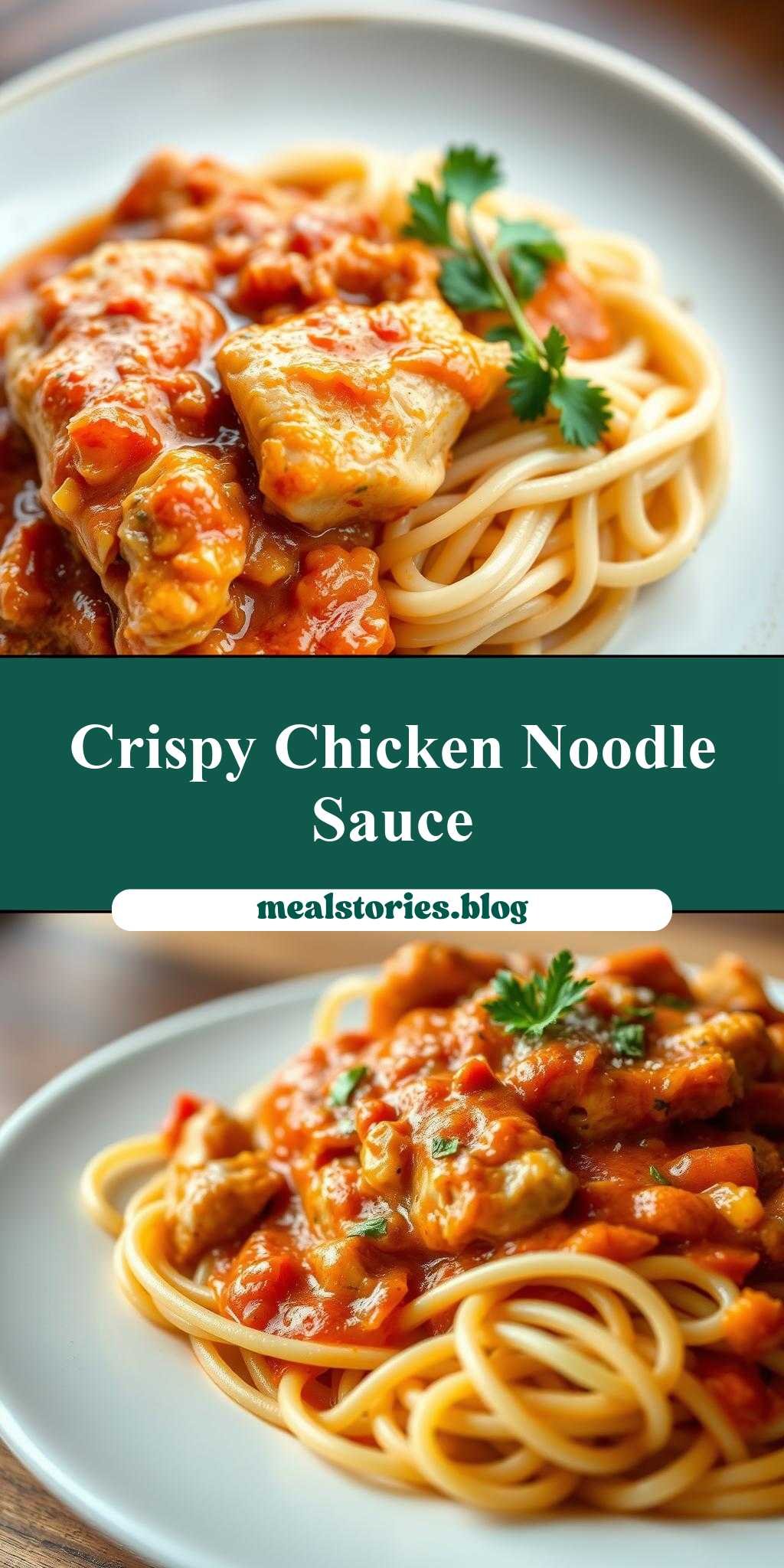
What makes a classic chicken paprikash truly unforgettable? For me, it’s the combination of tender chicken, flavorful homemade noodles and a rich sauce made with sweet paprika. This easy weeknight dinner is a family favorite, perfect for a quick and satisfying meal. Save this idea for a cozy night in.
chicken paprikash recipe with noodles and sauce
Introduction
Imagine a hearty, comforting dish that combines the richness of chicken, the depth of paprika, and the warmth of a perfectly cooked noodle, all wrapped in a flavorful sauce. This chicken paprikash recipe with noodles and sauce is not just a meal; it’s an experience. It’s a testament to how everyday ingredients can come together in a dance of flavors and textures, requiring minimal effort but yielding impressive results. Whether you’re a seasoned chef or a beginner in the kitchen, this recipe invites you to explore the simplicity and elegance of traditional Hungarian cuisine, adapted for the modern palate.
Why This Works
- Flavor balance and ingredient accessibility: The beauty of this recipe lies in its ability to balance bold flavors with easily accessible ingredients, making it a staple for any kitchen.
- Ease of preparation: Despite its rich and complex flavor profile, this dish is surprisingly easy to prepare, requiring basic cooking techniques that anyone can master.
- Impressive results with minimal effort: The combination of chicken, noodles, and a vibrant paprika sauce creates a dish that’s as visually appealing as it is delicious, perfect for special occasions or a cozy family dinner.
Key Ingredients
The foundation of a great chicken paprikash lies in its ingredients. You’ll need boneless, skinless chicken breasts, Hungarian sweet paprika, onions, garlic, chicken broth, sour cream, and noodles (preferably egg noodles). For added depth, consider using a mix of bell peppers and tomatoes. Practical substitutions can include using chicken thighs for a richer flavor or substituting sour cream with Greek yogurt for a lighter version. The key is to balance the smokiness of the paprika with the freshness of the vegetables and the creaminess of the sauce.
Instructions
- Step 1: Begin by preparing your ingredients. Chop the onions and bell peppers, mince the garlic, and slice the chicken into manageable pieces. Measure out your paprika, salt, and pepper. This step is crucial as it sets the stage for a smooth and efficient cooking process.
- Step 2: In a large skillet, heat a couple of tablespoons of oil over medium heat. Add the chopped onions and sauté until they’re translucent, then add the minced garlic and cook for another minute, ensuring not to burn the garlic. Next, add the sliced chicken and cook until it’s browned on all sides and cooked through. Remove the chicken from the skillet and set it aside.
- Step 3: In the same skillet, add a bit more oil if necessary, then add the sliced bell peppers. Cook until they start to soften, then add the paprika, stirring constantly to prevent burning. Pour in the chicken broth, scraping the bottom of the pan to release all the flavorful bits. Bring the mixture to a simmer and let it cook until the sauce has thickened slightly. Return the chicken to the skillet, stirring to coat with the sauce.
- Step 4: While the chicken is cooking in the sauce, prepare your noodles according to the package instructions. Typically, this involves boiling them in salted water until they’re al dente, then draining them. To finish the dish, stir in some sour cream to enrich the sauce, and season with salt and pepper to taste. Serve the chicken and sauce over the noodles, garnished with fresh parsley or dill for a pop of color and freshness.
Handy Tips
- Avoid overcooking the noodles, as they can become mushy and unappetizing. Al dente texture provides the best contrast to the rich sauce.
- For an extra creamy sauce, add a tablespoon or two of all-purpose flour to the paprika and oil mixture before adding the chicken broth, cooking for a minute to remove the raw flour taste.
- Consider adding other vegetables like mushrooms or zucchini to the bell peppers for added flavor and nutrition.
Heat Control
Heat control is crucial in this recipe, especially when cooking the chicken and the sauce. For the chicken, ensure it reaches an internal temperature of 165°F (74°C) to guarantee food safety. When simmering the sauce, keep the heat at a medium-low setting to prevent boiling, which can cause the sauce to break or the noodles to become overcooked. Adjust the heat as necessary to maintain a gentle simmer.
Crunch Factor
The crunch factor in this dish comes from the texture of the noodles and the slight crispiness of the cooked vegetables. To achieve this, don’t overcook the noodles or the vegetables. For added crunch, consider topping the dish with some toasted breadcrumbs or chopped fresh vegetables like bell peppers or carrots.
Pro Kitchen Tricks
- Use high-quality paprika for the best flavor. Hungarian sweet paprika is preferred for its mild, sweet flavor that complements the chicken and noodles perfectly.
- Don’t overcrowd the skillet when cooking the chicken. Cook in batches if necessary, to ensure each piece has enough room to cook evenly.
- For a shortcut, use pre-cooked chicken or store-bought chicken broth to reduce preparation time.
Storage Tips
- Leftovers can be stored in the refrigerator for up to 3 days. Reheat gently over low heat, adding a bit of water or broth if the sauce has thickened too much.
- For longer storage, consider freezing the cooked chicken and sauce separately from the noodles. When reheating, combine everything together, adjusting the seasoning as needed.
- Use airtight, microwave-safe containers for easy reheating and to preserve the flavors and textures of the dish.
Gift Packaging Ideas
If you’re considering gifting this dish, perhaps for a potluck or as a care package, individual servings can be packaged in microwave-safe containers. Add a sprinkle of paprika on top for a pop of color, and include a side of fresh bread or a salad for a complete meal. For a more rustic touch, use ceramic or wooden containers and garnish with fresh herbs.
Flavor Variations
- Different spices: Experiment with smoked paprika for a deeper, smokier flavor, or add a pinch of cayenne pepper for a spicy kick.
- Creative toppings: Add some diced tomatoes, sliced olives, or a dollop of sour cream on top of the noodles for added flavor and texture.
- Ingredient swaps: Use beef or pork instead of chicken for a different protein, or substitute the noodles with rice or polenta for a gluten-free option.
Troubleshooting
- Texture problems: If the sauce becomes too thick, add a bit of water or broth. If it’s too thin, simmer for a few more minutes or add a tablespoon of flour to thicken.
- Ingredient replacements: If you can’t find Hungarian paprika, use a combination of sweet and smoked paprika as a substitute.
- Over/undercooking signs: Check the chicken’s internal temperature to avoid undercooking. For the noodles, taste them frequently towards the end of their cooking time to avoid overcooking.
FAQs
- Can I freeze it? Yes, you can freeze the cooked chicken and sauce, but it’s best to freeze them separately from the noodles for the best texture and flavor preservation.
- Is it gluten-free? The recipe as described is not gluten-free due to the use of traditional egg noodles. However, you can easily make it gluten-free by substituting the noodles with gluten-free alternatives like rice noodles or zucchini noodles.
- Can I double the recipe? Yes, you can double or even triple the recipe if you’re serving a larger crowd. Just ensure you have a large enough skillet and adjust the cooking time slightly as needed.
Conclusion
This chicken paprikash recipe with noodles and sauce is a journey through flavors and textures, a celebration of comfort food that’s both hearty and elegant. With its accessible ingredients and straightforward preparation, it’s a dish that invites creativity and adaptation, perfect for a weeknight dinner or a special occasion. So, take a culinary trip to Hungary, and let the warmth of paprikash fill your kitchen and your heart.