
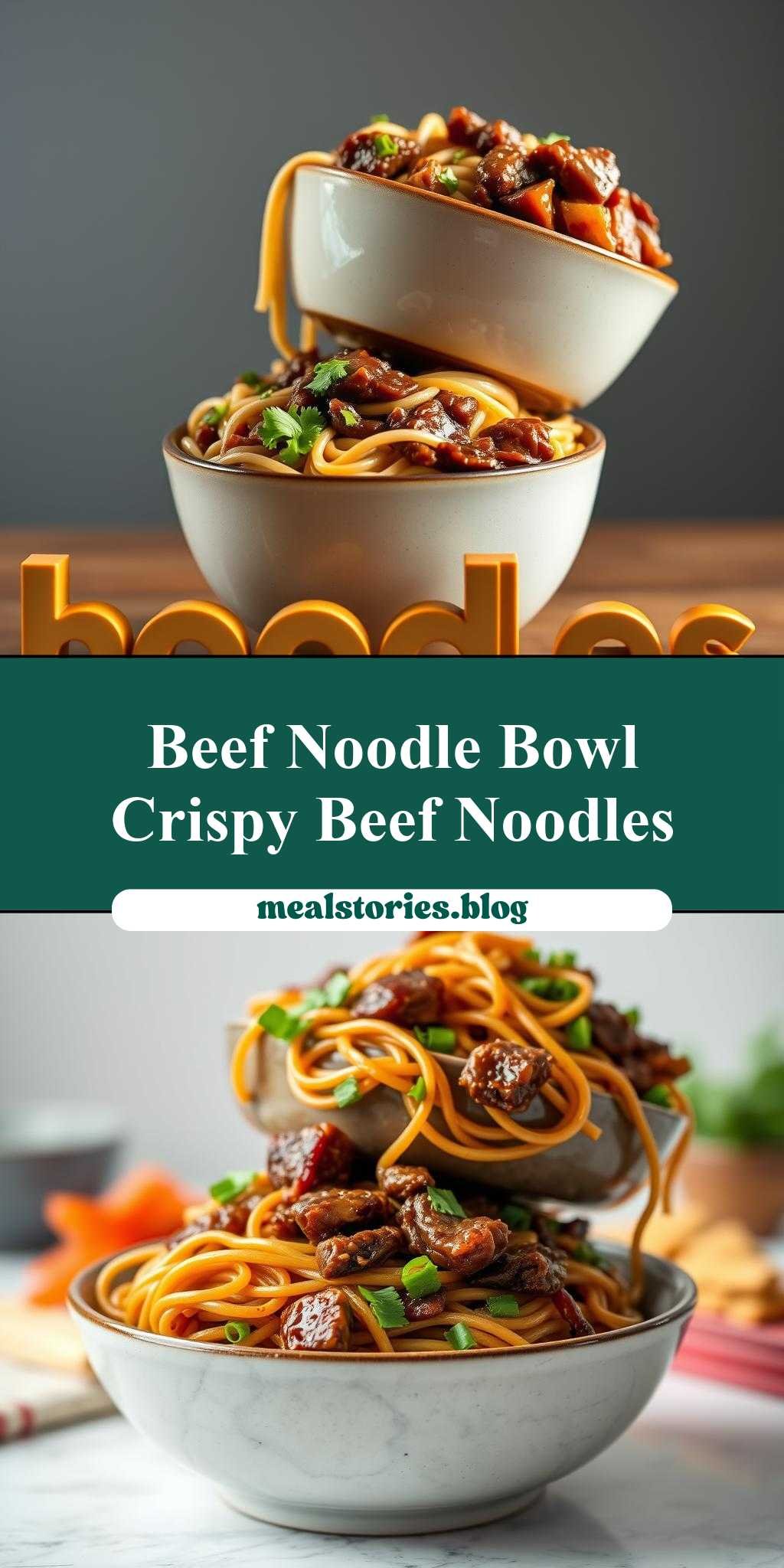
What makes a perfect weeknight dinner? For me, it’s a big bowl of homemade hoisin beef noodles, loaded with tender beef and savory sauce, made easy with simple stir-fry methods and quick cooking times. Save this idea for a delicious family favorite meal to enjoy any night of the week, try it soon and make it your own.
two bowls filled with noodles and beef on top of each other, in front of the words hoisin beef noodles recipe
Introduction
Imagine a dish that combines the simplicity of everyday ingredients with the complexity of flavors from around the world, all in one delicious, easy-to-make recipe. The hoisin beef noodles recipe is more than just a meal; it’s an experience. With its perfect balance of sweet, savory, and umami flavors, this dish is sure to become a staple in your kitchen. The best part? It’s incredibly easy to make and requires minimal effort, making it perfect for a quick weeknight dinner or a special occasion. In this article, we’ll dive into the world of hoisin beef noodles, exploring what makes this recipe tick, the key ingredients you’ll need, and step-by-step instructions to guide you through the cooking process.
Why This Works
- Flavor balance and ingredient accessibility: This recipe strikes a perfect balance between flavors, with the sweetness of hoisin sauce, the savory taste of beef, and the freshness of noodles and vegetables. All the ingredients are easily accessible in most supermarkets, making it convenient for anyone to try.
- Ease of preparation: Despite its complex flavor profile, this dish is surprisingly easy to prepare. It requires minimal cooking skills and can be ready in under 30 minutes, perfect for busy days.
- Impressive results with minimal effort: The hoisin beef noodles recipe yields impressive results with very little effort. The combination of flavors and textures will make it seem like you’ve spent hours in the kitchen, even though you haven’t.
Key Ingredients
The key to a great hoisin beef noodles recipe lies in its ingredients. You’ll need:
– 200g of beef (sirloin or ribeye work well), sliced into thin strips
– 2 tablespoons of hoisin sauce
– 1 tablespoon of soy sauce
– 1 tablespoon of olive oil
– 1 small onion, thinly sliced
– 2 cloves of garlic, minced
– 1 cup of mixed vegetables (bell peppers, carrots, broccoli)
– 200g of noodles (rice noodles or egg noodles are good options)
– Salt and pepper to taste
– Fresh cilantro for garnish
You can substitute the beef with chicken or tofu for a vegetarian option, and use different types of noodles based on your preference. The hoisin sauce can be found in most Asian food sections of supermarkets, but if you can’t find it, you can make a substitute by mixing soy sauce, honey, and rice vinegar.
Instructions
- Step 1: Begin by preparing your ingredients. Slice the beef into thin strips and season with a pinch of salt and pepper. Chop the onion and mince the garlic. Cut the mixed vegetables into bite-sized pieces.
- Step 2: Cook the noodles according to the package instructions. Typically, this involves boiling them in water for 3-5 minutes until they’re tender, then draining and setting them aside.
- Step 3: In a large skillet or wok, heat the olive oil over medium-high heat. Add the beef and cook until browned, about 3-4 minutes. Remove the beef from the skillet and set it aside. Then, add the sliced onion and cook until it’s translucent, followed by the minced garlic for another minute. Add the mixed vegetables and cook until they’re tender but still crisp.
- Step 4: In a small bowl, whisk together the hoisin sauce and soy sauce. Pour the sauce into the skillet with the vegetables and stir to combine. Return the cooked beef to the skillet and stir everything together. Finally, add the cooked noodles to the skillet and toss everything to combine, ensuring the noodles are well coated with the sauce and mixed with the beef and vegetables.
Handy Tips
- Use high-quality ingredients: The flavor of your dish heavily depends on the quality of your ingredients. Choose fresh vegetables and good-quality beef for the best results.
- Don’t overcook the noodles: Noodles that are overcooked can become mushy and unappetizing. Cook them until they’re just tender, then drain and set them aside.
- Customize to your taste: The beauty of this recipe lies in its versatility. Feel free to add your favorite vegetables or use different seasonings to make it your own.
Heat Control
Heat control is crucial in this recipe, especially when cooking the beef and vegetables. You want to cook the beef over medium-high heat to get a good sear, but then reduce the heat to medium to cook the vegetables without burning them. The ideal temperature for cooking the beef is around 200°C (400°F), and for the vegetables, it’s around 180°C (350°F). Make sure to stir frequently to prevent burning and to ensure everything cooks evenly.
Crunch Factor
The crunch factor in this dish comes from the vegetables and the texture of the noodles. To achieve the perfect crunch, cook the vegetables until they’re tender but still crisp. For the noodles, cook them until they’re just tender, then drain and rinse them with cold water to stop the cooking process. This will help retain their texture and prevent them from becoming mushy.
Pro Kitchen Tricks
- Marinate the beef: For added flavor, marinate the beef in a mixture of soy sauce, hoisin sauce, and garlic for at least 30 minutes before cooking.
- Use a wok: If you have a wok, use it. The large, deep shape of a wok allows for efficient stir-frying and helps to distribute heat evenly.
- Don’t overcrowd: Cook the beef and vegetables in batches if necessary, to prevent overcrowding the skillet. This ensures that everything cooks evenly and prevents steaming instead of searing.
Storage Tips
- Leftover storage: Store any leftovers in an airtight container in the refrigerator for up to 3 days. Reheat in the microwave or on the stovetop until hot and steaming.
- Reheating tips: When reheating, add a little water to the dish to prevent the noodles from drying out. You can also add some fresh vegetables or herbs to refresh the flavors.
- Shelf life: Cooked noodles and beef can be stored for 3 days in the fridge. If you want to prepare ahead, you can cook the beef and vegetables, then store them separately in the fridge for up to a day before combining with the noodles.
Gift Packaging Ideas
While this dish is primarily meant to be enjoyed fresh, you can package the components separately for a fun and unique gift. Consider placing cooked noodles in a jar, beef and vegetables in another, and a small bottle of hoisin sauce on the side. Decorate the jars with ribbons and labels, and include a recipe card for the recipient to assemble and enjoy their hoisin beef noodles.
Flavor Variations
- Different spices: Add some red pepper flakes for a spicy kick, or use five-spice powder for a more traditional Chinese flavor.
- Creative toppings: Top your noodles with sesame seeds, chopped green onions, or pickled ginger for added texture and flavor.
- Ingredient swaps: Substitute the beef with chicken, pork, or tofu for a vegetarian option. You can also use different types of noodles, such as soba or udon, for a change of pace.
Troubleshooting
- Texture problems: If your noodles are too sticky, rinse them with cold water. If your vegetables are too soft, cook them for less time next time.
- Ingredient replacements: If you can’t find hoisin sauce, make a substitute with soy sauce, honey, and rice vinegar. For beef, you can use chicken or tofu as alternatives.
- Over/undercooking signs: Check your beef for doneness by cutting into it; it should be browned on the outside and cooked to your desired level of doneness on the inside. Noodles should be tender but still have a bit of bite. Vegetables should be crisp but not raw.
FAQs
- Can I freeze it? Yes, you can freeze the cooked beef and vegetables for up to 2 months. Cooked noodles are best stored in the fridge and consumed within 3 days, but you can also freeze them. Simply thaw and reheat when you’re ready to eat.
- Is it gluten-free? This recipe can be gluten-free if you use gluten-free soy sauce and hoisin sauce. Be sure to check the labels of your ingredients to ensure they meet your dietary needs.
- Can I double the recipe? Yes, you can easily double or triple this recipe to feed a larger crowd. Just remember to adjust the cooking time accordingly, and cook in batches if necessary to prevent overcrowding the skillet.
Conclusion
The hoisin beef noodles recipe is a versatile, flavorful, and incredibly easy dish to make. With its balance of sweet, savory, and umami flavors, it’s sure to please even the pickiest of eaters. Whether you’re a seasoned chef or a beginner in the kitchen, this recipe is perfect for anyone looking to add a little excitement to their meal routine. So go ahead, give it a try, and don’t hesitate to experiment with different ingredients and flavors to make it your own. Happy cooking!