
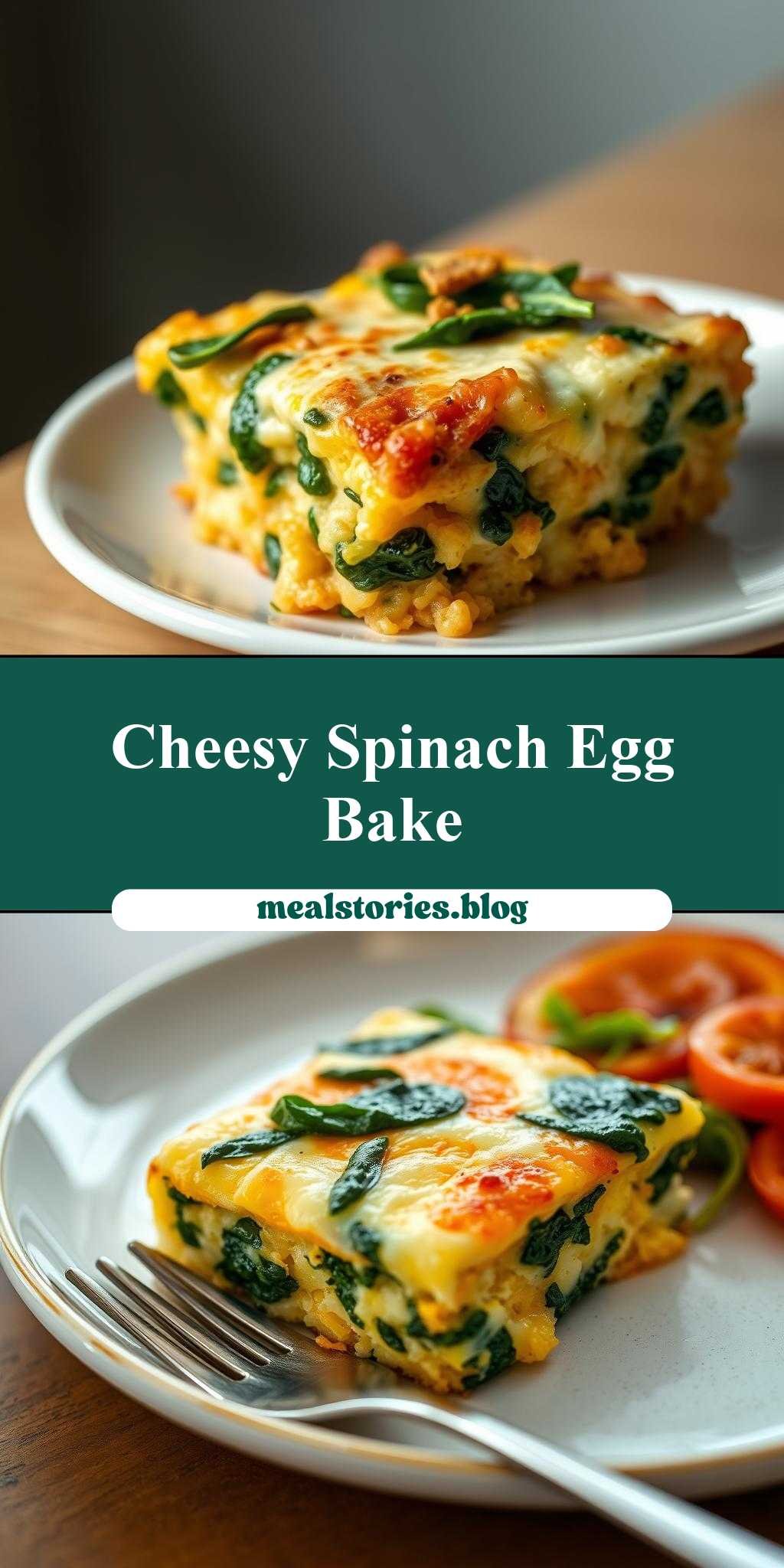
What makes a perfect brunch dish? A simple egg casserole with melted cheese and fresh spinach on top, perfect for a quick weeknight dinner or homemade family favorite. Save this easy recipe idea for a delicious meal anytime, try it soon
an egg casserole with cheese and spinach on top
Introduction
This egg casserole with cheese and spinach on top is a masterpiece of simplicity, flavor, and creativity, all combined in a dish that can be prepared with everyday ingredients. The combination of eggs, cheese, and spinach creates a delightful harmony of textures and tastes that will impress both family and friends. Whether you’re looking for a breakfast option, a brunch idea, or even a light dinner, this casserole is versatile and satisfying. The best part? It’s incredibly easy to make, requiring minimal effort for a dish that looks and tastes like it was prepared by a professional chef.
Why This Works
- Flavor balance and ingredient accessibility: The ingredients in this recipe are not only easy to find in most supermarkets, but they also balance each other out perfectly. The richness of the cheese is cut by the freshness of the spinach, while the eggs bind everything together.
- Ease of preparation: One of the most appealing aspects of this recipe is how simple it is to prepare. With just a few ingredients and straightforward instructions, anyone can make this casserole, regardless of their cooking experience.
- Impressive results with minimal effort: Despite its simplicity, the end result is a dish that looks impressive and tastes fantastic. It’s perfect for special occasions or everyday meals when you want something a bit more exciting.
Key Ingredients
The main ingredients in this egg casserole include eggs, cheese (such as cheddar or mozzarella), fresh spinach, and any additional spices or seasonings you prefer. For the eggs, you can use any type, but keep in mind that farm-fresh eggs will have a richer flavor. The cheese can be substituted with other types, such as feta for a tangier taste or parmesan for a nuttier flavor. Fresh spinach is essential for the best flavor, but frozen spinach can be used as a substitute if fresh is not available. Practical substitutions can also include using different types of milk or cream for the egg mixture, or adding diced meats or vegetables for added flavor and nutrition.
Instructions
- Step 1: Begin by preheating your oven to 375°F (190°C). While the oven is heating up, chop the fresh spinach and shred the cheese. Beat the eggs in a large bowl and season with salt, pepper, and any other desired spices.
- Step 2: In a separate pan, heat a little oil over medium heat and sauté the chopped spinach until it’s wilted. This step helps reduce the moisture in the spinach, which can otherwise make the casserole too wet. Once the spinach is cooked, set it aside to cool.
- Step 3: In a greased 9×13 inch baking dish, create a layer of the egg mixture. You can use a whisk or a blender to make the eggs smoother and more evenly textured. On top of the egg layer, add a layer of the sautéed spinach, followed by a layer of shredded cheese. Repeat this process until all ingredients are used up, ending with a layer of cheese on top.
- Step 4: Place the casserole in the oven and bake for about 30-40 minutes, or until the eggs are set, and the top layer of cheese is golden brown. Remove the casserole from the oven and let it cool for a few minutes before serving. You can serve it hot, garnished with additional spinach or a sprinkle of cheese for extra flavor and visual appeal.
Handy Tips
- When cooking the spinach, be careful not to overcook it, as this can make it bitter. A quick sauté is all you need to bring out its flavor without losing its nutritional value.
- For an extra crispy top, you can broil the casserole for a couple of minutes after baking. Keep an eye on it to avoid burning the cheese.
- Consider using leftover vegetables or meats to add more flavor and reduce food waste. Diced bell peppers, onions, or cooked sausage can all be great additions to the egg mixture.
Heat Control
The ideal temperature for baking the casserole is 375°F (190°C), and the baking time can vary depending on the size of your casserole and your oven’s performance. A good sign that the casserole is done is when the eggs are set and the cheese on top is golden brown. If you’re unsure, you can always check the casserole by inserting a knife into the center; if it comes out clean, the casserole is ready.
Crunch Factor
The crunch factor in this dish comes primarily from the golden-brown cheese on top. To achieve this, make sure the top layer of cheese is evenly spread and not too thick, as this can prevent it from browning properly. If you want an extra crunch, you can sprinkle some breadcrumbs or grated nuts on top of the cheese before baking.
Pro Kitchen Tricks
- For a smoother egg mixture, blend the eggs with a little milk or cream before adding any seasonings. This helps to incorporate air and makes the eggs lighter and fluffier.
- To prevent the casserole from drying out, cover it with foil for the first 20 minutes of baking. This helps retain moisture and ensures the eggs cook evenly.
- Experiment with different cheeses and spices to find the combination that you enjoy the most. This recipe is highly adaptable, making it a great base for your own creations.
Storage Tips
- The casserole can be stored in the refrigerator for up to 3 days. It’s best to let it cool completely before covering it with plastic wrap or aluminum foil.
- For reheating, place the casserole in the oven at 350°F (180°C) for about 10-15 minutes, or until it’s warmed through. You can also reheat individual portions in the microwave, but be careful not to overheat, as this can make the eggs rubbery.
- Leftovers can be frozen for up to 2 months. It’s a good idea to divide the casserole into individual portions before freezing, making it easier to thaw and reheat only what you need.
Gift Packaging Ideas
If you’re considering gifting this casserole, a nice way to present it is in a decorative baking dish covered with a colorful towel or a piece of aluminum foil with a ribbon around it. You could also portion it out into individual servings, place them in airtight containers, and gift them in a basket or a bag with a personalized note. This makes for a thoughtful and practical gift, especially for new parents, students, or anyone who appreciates a homemade meal.
Flavor Variations
- Different spices: Consider adding a pinch of nutmeg, a sprinkle of paprika, or some dried herbs like thyme or oregano to give the casserole a unique flavor.
- Creative toppings: In addition to spinach and cheese, you could top the casserole with diced tomatoes, sliced olives, or a sprinkle of chopped fresh herbs like parsley or basil.
- Ingredient swaps: Swap the cheese with a dairy-free alternative for a vegan version, or use gluten-free bread crumbs for a gluten-free option. You could also substitute the eggs with a flax or chia egg for a vegan egg substitute.
Troubleshooting
- Texture problems: If the casserole turns out too wet, it might be because the spinach wasn’t cooked enough or too much milk was added to the eggs. If it’s too dry, it could be overcooked or not enough liquid was used.
- Ingredient replacements: If you don’t have a particular ingredient, don’t be afraid to substitute it with something similar. For example, if you don’t have cheddar, you could use another type of cheese that melts well.
- Over/undercooking signs: Keep an eye on the casserole while it’s baking. If the top starts to brown too quickly, cover it with foil. If the eggs aren’t set after the recommended baking time, give it a few more minutes and check again.
FAQs
- Can I freeze it? Yes, the casserole can be frozen for up to 2 months. It’s best to freeze it before baking, but you can also freeze leftovers.
- Is it gluten-free? The basic recipe is gluten-free, but if you’re using any ingredients that contain gluten (like certain types of cheese or breadcrumbs), you’ll need to substitute them with gluten-free alternatives.
- Can I double the recipe? Yes, you can easily double or triple the recipe if you’re serving a larger crowd. Just keep in mind that you might need to adjust the baking time slightly.
Conclusion
This egg casserole with cheese and spinach on top is a versatile and delicious dish that can be enjoyed at any time of day. With its simple ingredients and easy preparation, it’s perfect for busy weeknights or special occasions. Feel free to experiment with different flavors and ingredients to make the recipe your own, and don’t hesitate to share your creations with friends and family. Whether you’re a seasoned chef or a beginner in the kitchen, this recipe is sure to become a favorite. So go ahead, get creative, and enjoy the process of cooking and sharing a meal that brings people together.