
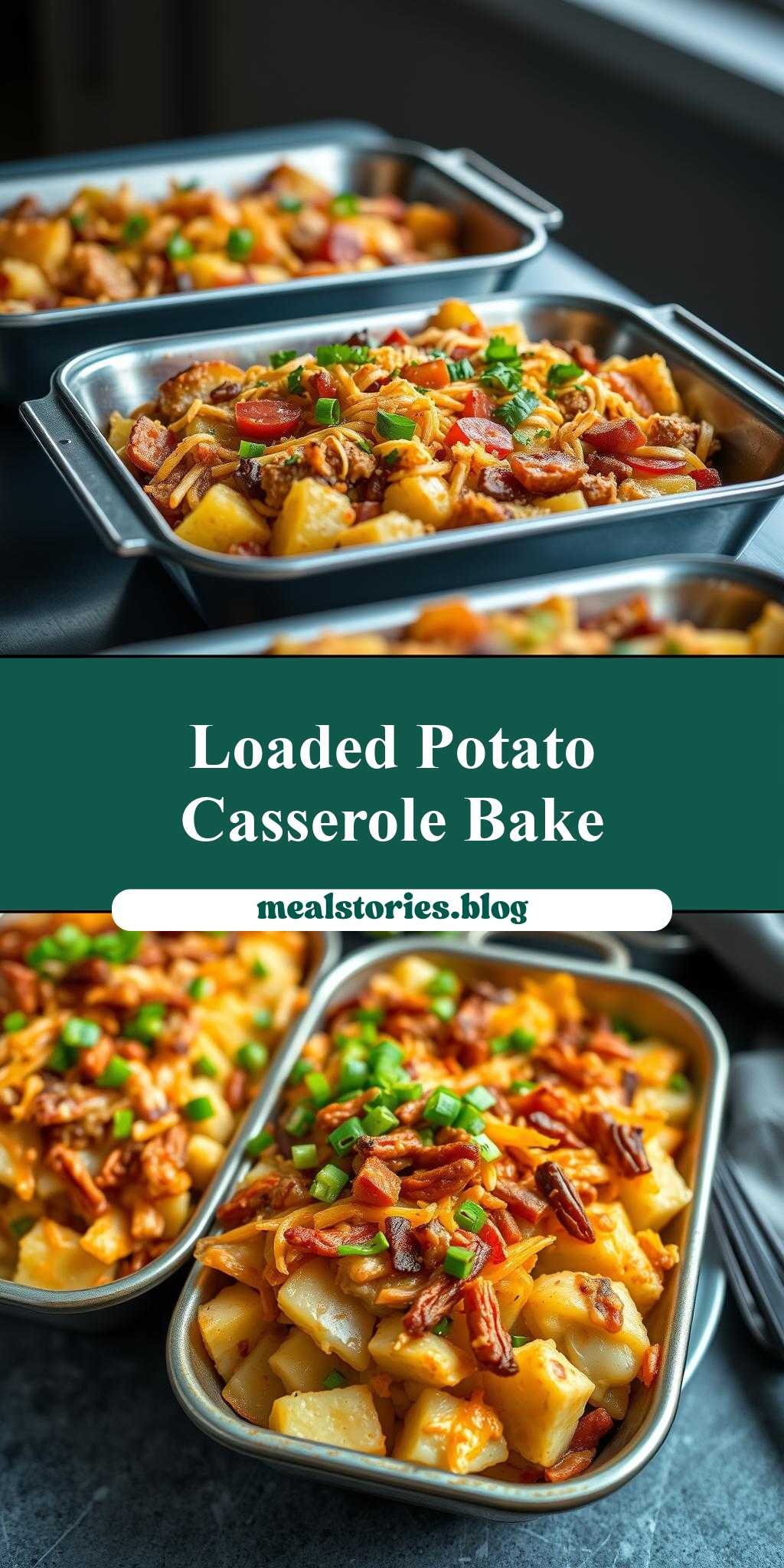
What makes the perfect comfort food casserole? For me, it’s a loaded potato casserole filled with melted cheese, crispy bacon, and creamy sour cream. This easy homemade dish is a weeknight dinner staple and a family favorite, made simple with just two pans. Save this idea for a quick and satisfying meal.
two pans filled with loaded loaded potato casserole
Introduction
Imagine a dish so comforting, it feels like a warm hug on a chilly evening. Loaded loaded potato casserole is that dish, elevated to new heights with not one, but two pans filled to the brim with creamy, cheesy, utterly delicious goodness. This recipe is a masterclass in ease, flavor, and creativity, using everyday ingredients to create something truly special. Whether you’re a seasoned chef or a beginner in the kitchen, this loaded loaded potato casserole is sure to become a favorite, perfect for family gatherings, potlucks, or a cozy night in. So, let’s dive in and explore what makes this dish so incredible.
Why This Works
- Flavor balance and ingredient accessibility: The combination of potatoes, cheese, sour cream, and bacon creates a flavor profile that’s both rich and balanced, using ingredients that are easily found in most supermarkets.
- Ease of preparation: Despite its impressive appearance and taste, this casserole is surprisingly easy to prepare, requiring minimal cooking skills and effort.
- Impressive results with minimal effort: The layering of ingredients and the final presentation make this dish look like it was prepared by a professional, yet it requires less than an hour of your time.
Key Ingredients
The magic of loaded loaded potato casserole lies in its ingredients. You’ll need:
– 4 large potatoes, thinly sliced
– 1 cup of sour cream
– 1 cup of shredded cheddar cheese
– 1/2 cup of shredded mozzarella cheese
– 6 slices of bacon, diced
– 1 onion, diced
– 2 cloves of garlic, minced
– 1 cup of diced ham or bacon bits for added smokiness
– Salt and pepper to taste
– Fresh chives or scallions for garnish
You can substitute the sour cream with Greek yogurt for a lighter version or use different types of cheese to change up the flavor profile. Bacon can be replaced with diced ham or cooked sausage for a variation in texture and taste.
Instructions
- Step 1: Begin by preheating your oven to 375°F (190°C). While the oven is heating up, slice the potatoes thinly and place them in a large bowl of cold water to prevent browning. Chop the onion and mince the garlic. Cook the diced bacon in a skillet over medium heat until crispy, then set aside on a paper towel-lined plate.
- Step 2: In a large mixing bowl, combine the sour cream, cheddar cheese, mozzarella cheese, diced onion, minced garlic, salt, and pepper. Mix well until all the ingredients are fully incorporated. Drain the potatoes and pat them dry with paper towels to remove excess moisture.
- Step 3: In two 9×13 inch baking dishes, create a layer of potatoes. You can overlap them slightly, but try to cover the entire surface. Spoon half of the cheese and sour cream mixture over the potatoes in each dish, followed by half of the cooked bacon and half of the diced ham or bacon bits. Repeat this layering process, starting with the potatoes, then the cheese mixture, and finally the remaining bacon and ham or bacon bits.
- Step 4: Cover each dish with aluminum foil and bake for 45 minutes. Remove the foil and continue baking for an additional 20-25 minutes, or until the potatoes are tender and the top is golden brown. Remove from the oven and let it cool for a few minutes before serving. Garnish with chopped chives or scallions and serve hot.
Handy Tips
- To avoid a soggy casserole, make sure to pat the potatoes dry after draining them from the water. This step helps in reducing the moisture content, ensuring your casserole turns out creamy rather than watery.
- For an extra crispy top, broil the casserole for 2-3 minutes after removing the foil. Keep an eye on it to prevent burning.
- Consider using leftover roasted vegetables like bell peppers or zucchini to add more flavor and nutrients to your casserole.
Heat Control
Maintaining the right temperature is crucial for this recipe. The oven should be preheated to 375°F (190°C) for even cooking. When baking, ensure that the casserole is covered with foil for the first 45 minutes to prevent the top from burning and to help the potatoes cook evenly. After removing the foil, keep an eye on the casserole to achieve the perfect golden brown top. The casserole is done when the potatoes are tender, and a knife can be easily inserted into the center.
Crunch Factor
The crunch factor in this loaded loaded potato casserole comes from the crispy bacon and the golden-brown top layer. To enhance the crunch, ensure that the bacon is cooked until crispy before adding it to the casserole. Additionally, the broiling step after removing the foil adds a nice crunch to the top. If you prefer an extra crunchy top, you can sprinkle some grated cheese or crushed crackers on top before broiling.
Pro Kitchen Tricks
- For easier serving and to prevent the casserole from falling apart, let it rest for 10-15 minutes before slicing and serving. This allows the flavors to meld together and the casserole to set.
- Use a mandoline to slice the potatoes thinly and evenly. This ensures that the potatoes cook at the same rate, resulting in a more uniform texture.
- To speed up the preparation, cook the bacon and dice the onion and garlic ahead of time. Store them in airtight containers in the refrigerator until you’re ready to assemble the casserole.
Storage Tips
- Leftover casserole can be stored in the refrigerator for up to 3 days. Reheat it in the oven at 350°F (175°C) covered with foil until warmed through.
- For longer storage, the casserole can be frozen for up to 2 months. Assemble the casserole without baking, then freeze. When you’re ready to eat it, thaw overnight in the refrigerator and bake as instructed.
- Use airtight, shallow containers for storing leftovers to prevent moisture from accumulating and making the casserole soggy.
Gift Packaging Ideas
If you’re considering gifting this loaded loaded potato casserole, it’s best to do so before baking. Assemble the casserole in a disposable aluminum pan, cover it with plastic wrap or aluminum foil, and attach a gift card with baking instructions. You can also include a small bag of fresh chives or scallions for garnish. For a more personalized touch, wrap the pan in a decorative towel or place it in a gift basket filled with other comfort food items.
Flavor Variations
- Different spices: Add some dried or fresh herbs like thyme, rosemary, or parsley to give the casserole a unique flavor. You can also sprinkle some paprika on top for a smoky taste.
- Creative toppings: Consider adding some diced tomatoes, chopped fresh spinach, or sliced olives on top of the casserole before baking for added flavor and texture.
- Ingredient swaps: Use different types of cheese, such as feta or parmesan, to change the flavor profile. You can also substitute the sour cream with Greek yogurt or cottage cheese for a lighter version.
Troubleshooting
- Texture problems: If the casserole turns out too soggy, it might be due to excess moisture from the potatoes or the cheese mixture. Pat the potatoes dry before assembling the casserole, and make sure not to overmix the cheese mixture.
- Ingredient replacements: If you’re missing an ingredient, consider substitutes. For example, you can use diced ham or cooked sausage instead of bacon, or replace cheddar cheese with another type of cheese.
- Over/undercooking signs: The casserole is undercooked if the potatoes are still hard, and overcooked if the top is too brown or the potatoes are mushy. Adjust the baking time as needed, and keep an eye on the casserole during the last 10 minutes of baking.
FAQs
- Can I freeze it? Yes, you can freeze the assembled casserole before baking for up to 2 months. Thaw overnight in the refrigerator and bake as instructed.
- Is it gluten-free? This recipe is naturally gluten-free, making it a great option for those with gluten intolerance. However, ensure that the cheese and any additional ingredients you use are gluten-free.
- Can I double the recipe? Yes, you can easily double the recipe to feed a larger crowd. Just remember to use larger baking dishes and adjust the baking time accordingly.
Conclusion
Loaded loaded potato casserole is more than just a dish; it’s an experience. It’s a comforting, flavorful, and satisfying meal that brings people together. With its ease of preparation, impressive presentation, and delicious taste, it’s perfect for any occasion. Don’t be afraid to experiment with different ingredients and flavors to make it your own. Share it with friends and family, and enjoy the warmth and love that comes with sharing a homemade meal. Happy cooking, and let the comfort of loaded loaded potato casserole fill your heart and home!