
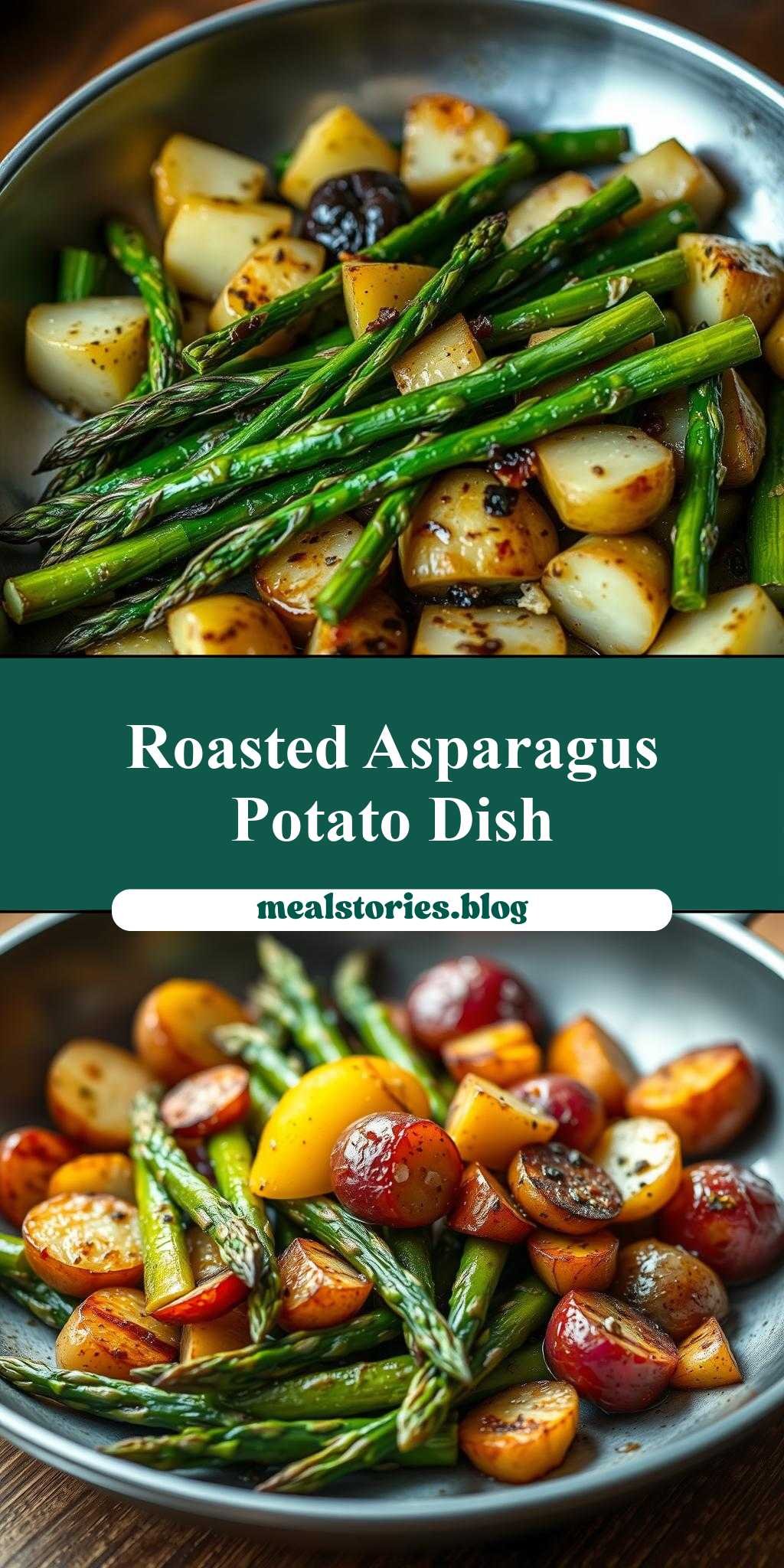
What’s the simplest way to elevate a weeknight dinner with just two ingredients? This easy roasted asparagus and potatoes recipe in a pan is a game changer, perfect for a quick homemade meal, thanks to the magic of roasting. Try it soon and enjoy the flavors of a family favorite dish. Save this idea
roasted asparagus and potatoes recipe in a pan
Introduction
This roasted asparagus and potatoes recipe in a pan is a perfect blend of ease, flavor, and creativity, utilizing everyday ingredients to create a dish that is both impressive and delicious. With the simplicity of roasting and the depth of flavor that comes from combining asparagus and potatoes, this recipe is ideal for a quick weeknight dinner or a special occasion. The best part is that it requires minimal effort while yielding a dish that is sure to please even the most discerning palates. Whether you’re a seasoned chef or a beginner in the kitchen, this recipe is a must-try for its simplicity, flavor balance, and the joy of watching everyday ingredients transform into a culinary masterpiece! The aroma of roasted asparagus and potatoes will fill your kitchen, teasing your senses and building anticipation for the first bite. As you take your first bite, the tender asparagus and crispy potatoes will melt in your mouth, releasing a burst of flavors that will leave you wanting more.
Why This Works
- Flavor balance and ingredient accessibility: The combination of asparagus and potatoes provides a natural balance of flavors and textures, while using ingredients that are easily found in most supermarkets.
- Ease of preparation: This recipe requires minimal preparation time, making it perfect for busy days when you need a quick but satisfying meal.
- Impressive results with minimal effort: Despite its simplicity, the end result is a dish that looks and tastes like it was prepared by a professional chef, making it ideal for special occasions or dinner parties.
Key Ingredients
The main ingredients for this roasted asparagus and potatoes recipe include 1 pound of fresh asparagus, 2-3 large potatoes, 2 tablespoons of olive oil, salt, and pepper. You can also add garlic powder, paprika, or any other seasoning of your choice to enhance the flavor. For a practical substitution, you can use sweet potatoes instead of regular potatoes for a slightly different flavor and texture. Additionally, if asparagus is not in season, you can substitute it with green beans or Brussels sprouts, although the cooking time may vary. The quality of the ingredients is crucial, so try to use the freshest asparagus and potatoes you can find. The freshness of the ingredients will make a significant difference in the final flavor and texture of the dish.
Instructions
- Step 1: Begin by preheating your oven to 425°F (220°C). While the oven is heating up, wash and peel the potatoes, then cut them into wedges or small chunks. Rinse the asparagus and trim the ends. This step is crucial in ensuring that the potatoes and asparagus cook evenly.
- Step 2: In a large bowl, mix together the potato chunks, 1 tablespoon of olive oil, salt, pepper, and any additional seasonings you prefer. Toss until the potatoes are well-coated. Then, in a separate bowl, mix the asparagus with the remaining 1 tablespoon of olive oil, salt, and pepper. This step helps to prevent the potatoes and asparagus from sticking together and ensures that they cook evenly.
- Step 3: Line a large baking sheet with parchment paper. Spread the potatoes out in a single layer on one half of the baking sheet. On the other half, arrange the asparagus in a single layer. This arrangement allows for even cooking and prevents the potatoes and asparagus from steaming instead of roasting. Roast in the preheated oven for about 20-25 minutes for the potatoes and 12-15 minutes for the asparagus, or until they are tender and lightly browned. The cooking time may vary depending on the thickness of the potatoes and the freshness of the asparagus.
- Step 4: Once the potatoes and asparagus are cooked, remove them from the oven and let them cool slightly. Serve hot, garnished with lemon wedges or chopped fresh herbs like parsley or chives. This final step adds a burst of freshness and flavor to the dish, making it perfect for serving to guests or enjoying as a quick weeknight dinner.
Handy Tips
- For crisper potatoes, try soaking the cut potatoes in cold water for about 30 minutes before roasting to remove excess starch. After soaking, dry the potatoes thoroughly with paper towels before tossing with oil and seasonings. This step helps to remove excess moisture and prevents the potatoes from steaming instead of roasting.
- To enhance the flavor, sprinkle grated cheese like parmesan or feta over the asparagus and potatoes during the last 5 minutes of roasting. The cheese will melt and add a rich, creamy flavor to the dish.
- Avoid overcrowding the baking sheet, as this can prevent even roasting. If necessary, use two baking sheets to ensure everything has enough space. This step is crucial in preventing the potatoes and asparagus from steaming instead of roasting.
Heat Control
The ideal temperature for roasting asparagus and potatoes is between 425°F (220°C) and 450°F (230°C). Roasting at this temperature range helps to achieve a nice caramelization on the outside while keeping the inside tender. The cooking time will depend on the thickness of the potatoes and the freshness of the asparagus, but as a general rule, potatoes take about 20-25 minutes and asparagus takes about 12-15 minutes. Check for doneness by inserting a fork; if it slides in easily, they are ready. The potatoes should be tender and lightly browned, while the asparagus should be tender but still crisp.
Crunch Factor
To achieve a crunchy exterior on your potatoes, make sure they are dry before roasting and use the right amount of oil. You can also try roasting them at a higher temperature for the first 10 minutes to get a crunchier outside, then reduce the temperature to prevent burning. For the asparagus, a slight crunch is desirable; this can be achieved by not overcooking it. Asparagus is done when it still has a bit of crunch but is tender enough to bite into easily. The crunch factor is crucial in adding texture and flavor to the dish, making it more enjoyable to eat.
Pro Kitchen Tricks
- For easier cleanup, line your baking sheet with parchment paper or aluminum foil before roasting. This step helps to prevent the potatoes and asparagus from sticking to the baking sheet and makes cleanup a breeze.
- To add extra flavor, sprinkle a bit of smoked paprika over the potatoes before roasting for a smoky taste. You can also try adding other spices or herbs, such as garlic powder or dried thyme, to enhance the flavor.
- Use a variety of potato types, like sweet potatoes and regular potatoes, for a mix of flavors and textures. This step adds depth and complexity to the dish, making it more interesting and enjoyable to eat.
Storage Tips
- Leftovers can be stored in an airtight container in the refrigerator for up to 2 days. Reheat in the oven at 350°F (180°C) for about 10-15 minutes, or until warmed through. You can also try reheating the leftovers in the microwave, but be careful not to overheat, as this can make the potatoes and asparagus dry and unappetizing.
- For longer storage, roasted potatoes and asparagus can be frozen for up to 3 months. Simply place them in a freezer-safe bag or container and thaw overnight in the fridge when you’re ready to reheat. Frozen leftovers can be reheated in the oven or microwave, but be careful not to overheat, as this can make the potatoes and asparagus dry and unappetizing.
- The best containers for storing leftovers are airtight, glass or plastic containers with tight-fitting lids. These containers help to keep the leftovers fresh and prevent them from drying out or becoming soggy.
Gift Packaging Ideas
If you’re considering gifting this dish, consider packaging it in a decorative tin or a Pyrex dish covered with aluminum foil and tied with a ribbon. You can also include a side of your favorite sauce or a small bag of fresh herbs for added flavor. For a more rustic look, use a wooden crate or a wicker basket lined with parchment paper or a towel. This step adds a personal touch to the gift, making it more special and meaningful to the recipient.
Flavor Variations
- Different spices: Try using cumin for a Mexican-inspired flavor, Italian seasoning for an Italian twist, or curry powder for an Indian-inspired dish. You can also experiment with different spice blends, such as chili powder or smoked paprika, to add depth and complexity to the dish.
- Creative toppings: Add some crumbled bacon, diced onions, or grated cheese on top of the asparagus and potatoes for extra flavor and texture. You can also try adding other toppings, such as diced bell peppers or chopped fresh herbs, to enhance the flavor and texture of the dish.
- Ingredient swaps: Substitute the potatoes with other root vegetables like carrots or parsnips for a different twist. You can also try substituting the asparagus with other vegetables, such as green beans or Brussels sprouts, to add variety to the dish.
Troubleshooting
- Texture problems: If your potatoes are too mushy, they might have been overcooked. Try reducing the cooking time next time. If the asparagus is too crunchy, it might not have been cooked enough; try cooking it for a few more minutes. The texture of the potatoes and asparagus is crucial in adding depth and complexity to the dish, so it’s essential to get it just right.
- Ingredient replacements: If you don’t have olive oil, you can use avocado oil or grapeseed oil as a substitute. For potatoes, you can use sweet potatoes or yams as a replacement. The type of oil and potatoes used can affect the flavor and texture of the dish, so it’s essential to choose the right ingredients.
- Over/undercooking signs: Potatoes are done when they’re tender and lightly browned. Asparagus is done when it’s tender but still crisp. Keep an eye on them while they’re roasting to avoid overcooking. The cooking time may vary depending on the thickness of the potatoes and the freshness of the asparagus, so it’s essential to check on them frequently to avoid overcooking.
FAQs
- Can I freeze it? Yes, you can freeze roasted asparagus and potatoes for up to 3 months. Simply thaw overnight in the fridge and reheat in the oven or microwave when you’re ready to serve. Frozen leftovers can be reheated in the oven or microwave, but be careful not to overheat, as this can make the potatoes and asparagus dry and unappetizing.
- Is it gluten-free? Yes, this recipe is naturally gluten-free, making it a great option for those with gluten intolerance or sensitivity. However, if you’re using any store-bought seasonings or sauces, be sure to check the ingredients list for gluten. Some seasonings and sauces may contain gluten, so it’s essential to check the ingredients list to ensure that the dish is gluten-free.
- Can I double the recipe? Absolutely! Just keep in mind that you might need to use two baking sheets to ensure everything has enough space to roast evenly. You can also try cooking the potatoes and asparagus in batches if you don’t have enough space on one baking sheet. This step helps to prevent the potatoes and asparagus from steaming instead of roasting, ensuring that they cook evenly and are crispy on the outside and tender on the inside.
Conclusion
This roasted asparagus and potatoes recipe in a pan is a versatile and delicious dish that can be enjoyed on its own or as a side to your favorite meals. With its ease of preparation, impressive results, and the ability to customize with your favorite seasonings and toppings, it’s a recipe that you’ll come back to time and time again. Whether you’re a busy professional looking for a quick weeknight dinner or a home cook wanting to impress your family and friends, this recipe is sure to please. So go ahead, give it a try, and enjoy the delightful combination of roasted asparagus and potatoes! The aroma of roasted asparagus and potatoes will fill your kitchen, teasing your senses and building anticipation for the first bite. As you take your first bite, the tender asparagus and crispy potatoes will melt in your mouth, releasing a burst of flavors that will leave you wanting more. With its perfect balance of flavors and textures, this dish is sure to become a favorite in your household.