
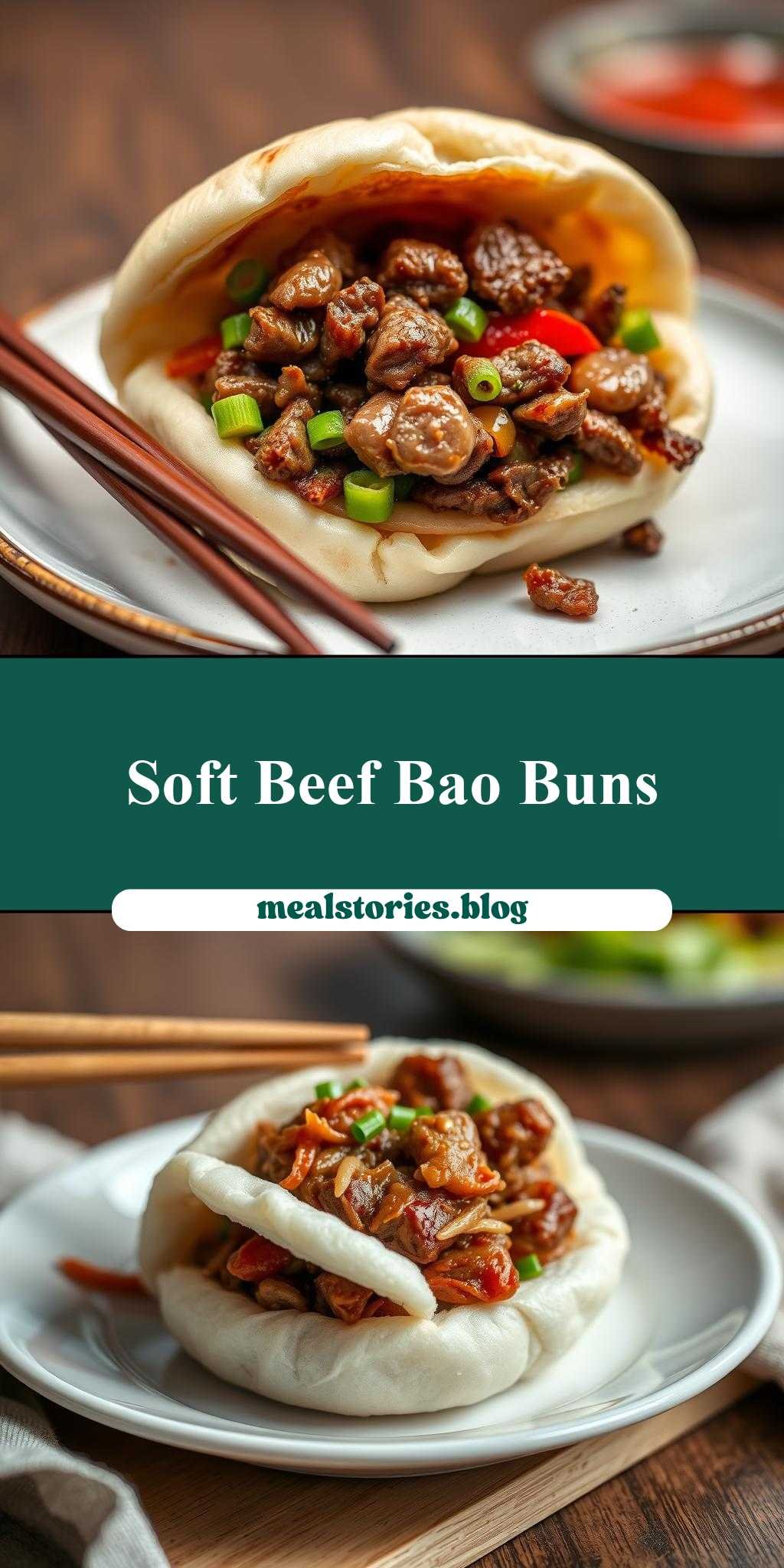
What makes the perfect comfort food for a weeknight dinner? For me, it’s tender beef bao buns, homemade with love, using simple ingredients like rich beef broth and soft yeast dough. This easy recipe is a family favorite, perfect for a quick dinner solution. Save this idea
tender beef bao buns on a plate with chopsticks
Introduction
Imagine sinking your teeth into tender, fluffy bao buns filled with rich, savory beef, all perfectly balanced with a hint of sweetness and the crunch of fresh vegetables. This dish is not only a delight to the taste buds but also surprisingly easy to make, requiring minimal special ingredients and effort. The beauty of tender beef bao buns lies in their simplicity and versatility, making them an ideal meal for any day of the week. Whether you’re a seasoned chef or a beginner in the kitchen, this recipe will guide you through creating a truly impressive and delicious Asian-inspired meal using everyday ingredients.
Why This Works
- Flavor balance and ingredient accessibility: The combination of tender beef, soft bao buns, and crisp vegetables creates a perfect harmony of textures and flavors, all of which can be achieved with ingredients readily available in most supermarkets.
- Ease of preparation: Despite the impressive result, the preparation and cooking process is straightforward and quick, making it suitable for busy weeknights or special occasions.
- Impressive results with minimal effort: The dish looks and tastes like it was prepared in a professional kitchen, but the secret lies in simple, clever techniques that elevate basic ingredients into something extraordinary.
Key Ingredients
The main ingredients for tender beef bao buns include high-quality beef (such as brisket or ribeye), which can be substituted with pork or chicken for variation, bao buns (available in most Asian markets or online), hoisin sauce, soy sauce, sesame oil, and a variety of vegetables like carrots, cucumbers, and scallions. Practical substitutions can be made for almost any ingredient, allowing for creativity and flexibility based on personal preferences and dietary needs.
Instructions
- Step 1: Begin by preparing the beef. Slice it into thin strips and marinate it in a mixture of hoisin sauce, soy sauce, sesame oil, garlic, and ginger for at least 30 minutes to allow the flavors to penetrate deeply.
- Step 2: Cook the marinated beef in a hot skillet or wok with a small amount of oil until it’s browned and cooked through. Set the beef aside to rest before slicing it into finer strips for the bao buns.
- Step 3: Prepare the bao buns according to the package instructions, usually involving steaming them for a few minutes until they’re soft and fluffy. Slice the buns in half and prepare the vegetables by slicing them thinly.
- Step 4: Assemble the bao buns by spreading a layer of hoisin sauce on the bottom half of the bun, followed by slices of the cooked beef, vegetables, and finally the top half of the bun. Serve immediately and enjoy.
Handy Tips
- Use high-quality ingredients: The flavor and texture of your bao buns greatly depend on the quality of your ingredients, so choose the best you can find.
- Don’t overfill the buns: Leave enough room so that the buns can be closed without the filling spilling out.
- Experiment with fillings: While beef is traditional, feel free to try other proteins or vegetables to create your own unique bao bun creations.
Heat Control
When cooking the beef, it’s crucial to control the heat to achieve the perfect tenderness. Start with high heat to sear the beef, then reduce the heat to medium-low to cook it through without burning. The ideal internal temperature for cooked beef is at least 135°F (57°C) for medium-rare, 145°F (63°C) for medium, and 160°F (71°C) for medium-well or well-done. Use a thermometer to ensure the beef is cooked to your desired level of doneness.
Crunch Factor
Achieving the right crunch factor in your bao buns requires balance. The beef should be tender, the vegetables crisp, and the bun soft. To enhance the crunch, add ingredients like toasted sesame seeds or crispy fried onions on top of the buns. For an extra soft bun, steam them for an additional minute, but be careful not to oversteam, which can make them soggy.
Pro Kitchen Tricks
- Use a cast-iron or carbon steel pan for cooking the beef, as these retain heat well and can achieve a perfect sear.
- Keep the bao buns warm by wrapping them in a damp cloth and steaming them in batches just before serving.
- For easier assembly, prepare all the components (beef, vegetables, sauces) ahead of time and assemble the buns just before serving.
Storage Tips
- Leftover beef can be stored in the refrigerator for up to 3 days or frozen for up to 2 months. Reheat it gently before using.
- Bao buns are best consumed fresh but can be stored in an airtight container at room temperature for up to a day. Freeze them for longer storage.
- Assembled bao buns are best served immediately, but they can be stored in the refrigerator for a few hours. Allow them to come to room temperature before serving.
Gift Packaging Ideas
If you’re considering gifting tender beef bao buns, a thoughtful presentation can make them an even more special treat. Package the buns in a decorative basket or box, accompanied by a side of hoisin sauce and pickled vegetables. Add a personal touch with a handwritten recipe card or a small plant, like a sprig of rosemary or a succulent, to give it a fresh and inviting look.
Flavor Variations
- Different spices: Try adding Korean chili flakes (gochugaru) for a spicy kick or Indian spices like cumin and coriander for a unique twist.
- Creative toppings: Add some crunch with toasted peanuts or sesame seeds, or a burst of freshness with diced cilantro or scallions.
- Ingredient swaps: Substitute the beef with grilled portobello mushrooms for a vegetarian option or use chicken for a leaner protein.
Troubleshooting
- Texture problems: If the beef is too tough, it may not have been sliced thinly enough or cooked at too high a heat. If the buns are too dense, they might be overproofed or steamed for too long.
- Ingredient replacements: If you can’t find certain ingredients, look for substitutes that offer similar textures and flavors. For example, you can use oyster sauce instead of hoisin sauce for a deeper umami flavor.
- Over/undercooking signs: Check the beef regularly while it’s cooking, and use a thermometer to ensure it reaches a safe internal temperature. For the buns, check their softness and elasticity; they should be slightly springy to the touch.
FAQs
- Can I freeze it? Yes, both the cooked beef and the bao buns can be frozen. However, it’s best to assemble the buns just before serving for the freshest flavor and texture.
- Is it gluten-free? Depending on the ingredients used, this dish can be adapted to be gluten-free. Ensure that the hoisin sauce and soy sauce are gluten-free, and use gluten-free bao buns if necessary.
- Can I double the recipe? Yes, the recipe can be easily doubled or tripled for larger gatherings. Just remember to adjust the cooking time accordingly, especially when steaming the bao buns.
Conclusion
Making tender beef bao buns is a rewarding culinary adventure that combines simplicity with impressive results. With these steps and tips, you’re well on your way to creating delicious, restaurant-quality bao buns in the comfort of your own home. Don’t be afraid to experiment and make the recipe your own, and enjoy the process of sharing this delightful dish with friends and family. Whether you’re a food enthusiast or just starting your culinary journey, tender beef bao buns are sure to become a favorite, offering a flavorful escape into the vibrant world of Asian cuisine.