
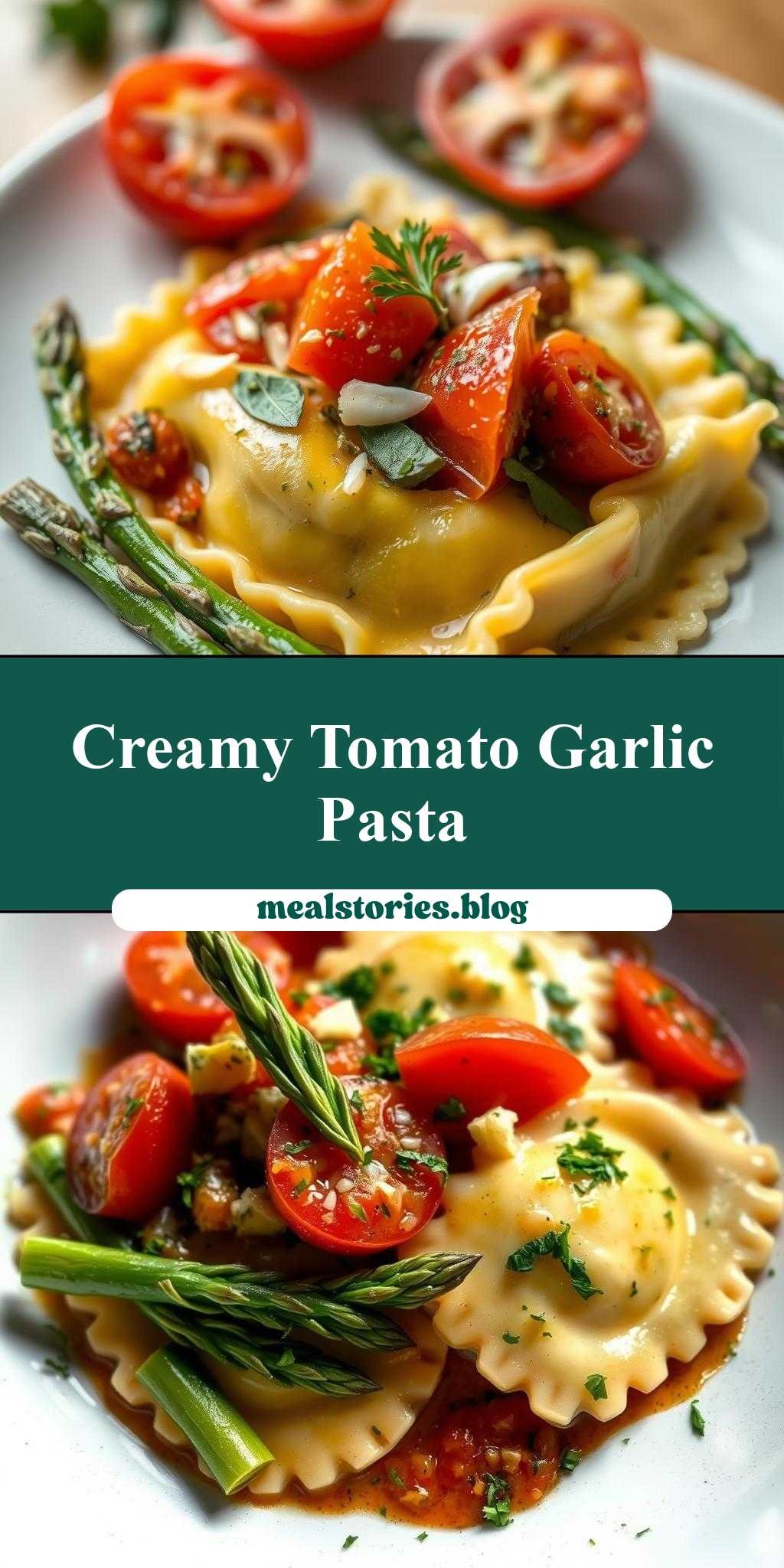
What makes a perfect spring dinner? Fresh asparagus and juicy tomatoes come together in this easy homemade ravioli recipe with garlic and herbs, a quick weeknight dinner solution, save this idea for a family favorite meal to enjoy later.
Ravioli with Tomatoes, Asparagus, Garlic, and Herbs
Introduction
Imagine a dish that combines the tender bite of freshly cooked ravioli, the vibrant sweetness of summer tomatoes, the delicate crunch of asparagus, and the depth of flavor from garlic and herbs, all melded together in a culinary symphony that is as easy to make as it is impressive to serve. This recipe for Ravioli with Tomatoes, Asparagus, Garlic, and Herbs is a testament to the magic that happens when everyday ingredients are combined with a bit of creativity and flair. Whether you’re a seasoned chef or a kitchen novice, this dish promises to delight your senses and leave you wanting more. The best part? It’s incredibly easy to prepare, making it perfect for a quick weeknight dinner or a special occasion meal.
Why This Works
- Flavor balance and ingredient accessibility: This recipe strikes a perfect balance between flavors, with each ingredient complementing the others beautifully. Moreover, the ingredients are easily accessible in most supermarkets, making it a practical choice for anyone.
- Ease of preparation: Despite its sophisticated taste, this dish is remarkably easy to prepare. The steps are straightforward, and the cooking time is relatively short, making it a great option for busy days.
- Impressive results with minimal effort: The combination of fresh ravioli, roasted tomatoes and asparagus, and the aromatic flavor of garlic and herbs creates a dish that looks and tastes like it was prepared in a high-end restaurant, all with minimal effort.
Key Ingredients
The stars of this recipe are undoubtedly the ravioli, fresh tomatoes, asparagus, garlic, and a mix of herbs like basil and parsley. For the ravioli, you can either use store-bought or homemade, depending on your preference and the time you have available. Fresh, vine-ripened tomatoes provide the best flavor, but you can also use cherry or grape tomatoes as a substitute. Asparagus can be replaced with green beans if it’s not in season. Garlic is a must for the depth of flavor it adds, and fresh herbs are preferable for their vibrant taste and aroma. Olive oil, salt, and pepper are also essential for bringing all the flavors together. Practical substitutions can be made based on what’s available and in season, making this recipe versatile and adaptable to different tastes and dietary needs.
Instructions
- Step 1: Begin by prepping your ingredients. Chop the garlic finely, slice the asparagus into bite-sized pieces, and halve or quarter the tomatoes depending on their size. Fresh herbs should be chopped just before use to preserve their flavor and aroma.
- Step 2: Cook the ravioli according to the package instructions until they are al dente. Drain and set aside. In a large skillet, heat a couple of tablespoons of olive oil over medium heat. Add the chopped garlic and cook for about a minute until fragrant, being careful not to burn it.
- Step 3: Add the asparagus to the skillet and cook until it starts to soften, about 3-4 minutes. Then, add the tomatoes, salt, and pepper. Continue cooking for another 5 minutes, stirring occasionally, until the asparagus is tender but still crisp and the tomatoes have started to release their juices and soften.
- Step 4: Add the cooked ravioli to the skillet, tossing everything together to combine. Sprinkle with chopped fresh herbs and serve immediately. You can also add some grated Parmesan cheese on top for extra flavor and texture.
Handy Tips
- Use high-quality ingredients: The flavor of your dish will greatly depend on the quality of your ingredients. Choose the freshest produce and the best cheese you can find.
- Don’t overcook the ravioli: Al dente is key to enjoying ravioli. Overcooking makes them mushy and unappetizing.
- Adjust seasoning: Taste as you go and adjust the seasoning. You might find you need a bit more salt, pepper, or even a squeeze of lemon juice to bring out the flavors.
Heat Control
Heat control is crucial in this recipe, especially when cooking the garlic and the asparagus. You want to cook them over medium heat to prevent burning the garlic, which can quickly become bitter. For the tomatoes, a bit of caramelization is desirable, so don’t stir them too frequently. The ideal temperature for the skillet should be around medium to medium-low, ensuring that everything cooks slowly and evenly. The dish is ready when the asparagus is tender, the tomatoes are soft and slightly caramelized, and the ravioli is well coated with the flavorful sauce.
Crunch Factor
The crunch factor in this dish comes primarily from the asparagus and the slight firmness of the al dente ravioli. To achieve the perfect texture, don’t overcook the asparagus; it should still have a bit of crunch to it. If you’re using other vegetables like green beans, ensure they’re cooked until they’re tender but still crisp. The freshness of the herbs also adds a bright, refreshing texture to the dish. For an extra crunch, you could also sprinkle some toasted pine nuts or almonds on top of the ravioli before serving.
Pro Kitchen Tricks
- Prep ahead: You can prep your ingredients ahead of time, like chopping the garlic and herbs, to make the cooking process smoother and faster.
- Use the right pan: A large skillet is ideal for this recipe as it allows you to cook all the ingredients together without overcrowding, ensuring each component cooks evenly.
- Reserve pasta water: Before draining the ravioli, reserve some of the pasta water. You can add this to the skillet if the sauce seems too thick, helping to achieve a perfect consistency.
Storage Tips
- Leftovers can be stored in an airtight container in the refrigerator for up to 2 days. Reheat gently over low heat, adding a bit of pasta water if necessary to maintain the sauce’s consistency.
- Freezing is not recommended for cooked ravioli with sauce, as the texture and flavor may degrade. However, you can freeze uncooked ravioli or prepare the sauce without the ravioli and freeze it for later use.
- Best containers for storage are glass or plastic airtight containers. Avoid using metal as it can react with the acidity in the tomatoes.
Gift Packaging Ideas
If you’re considering gifting this dish, perhaps for a potluck or as a meal for a friend, consider packaging it in a way that preserves its freshness and appeal. Use a decorative glass or ceramic container, and garnish with extra fresh herbs. You could also include a baguette or some garlic bread on the side, packaged in a paper bag or a basket. For a more rustic appeal, use wooden utensils and a checkered tablecloth to add a touch of warmth and coziness to your gift.
Flavor Variations
- Different spices: Add a pinch of red pepper flakes for a spicy kick, or some dried basil for an Italian twist.
- Creative toppings: In addition to Parmesan cheese, consider other toppings like toasted breadcrumbs, roasted vegetables, or a dollop of sour cream for added richness and texture.
- Ingredient swaps: Substitute the asparagus with zucchini or bell peppers for a different flavor profile. You can also use different types of cheese or add some cooked chicken for added protein.
Troubleshooting
- Texture problems: If your ravioli becomes mushy, it’s likely overcooked. For the sauce, if it becomes too thick, add a bit of pasta water. If it’s too thin, simmer it for a few minutes to reduce it.
- Ingredient replacements: Always choose replacements that are as close as possible to the original ingredient in terms of flavor and texture. For example, if you can’t find fresh tomatoes, canned crushed tomatoes can be a good substitute.
- Over/undercooking signs: Keep an eye on your dish as it cooks. Undercooked asparagus will be hard and crunchy, while overcooked will be soft and mushy. Ravioli that’s undercooked will have a hard, doughy center, while overcooked will be soft and break apart easily.
FAQs
- Can I freeze it? It’s best not to freeze cooked ravioli with the sauce, but you can freeze the sauce separately or freeze uncooked ravioli for later use.
- Is it gluten-free? Traditional ravioli is made with wheat flour and therefore contains gluten. However, you can find gluten-free ravioli options made from rice, corn, or quinoa flour.
- Can I double the recipe? Yes, you can easily double or triple this recipe for larger groups. Just ensure you have a large enough skillet to cook all the ingredients without overcrowding.
Conclusion
Ravioli with Tomatoes, Asparagus, Garlic, and Herbs is a dish that embodies the spirit of Italian cuisine—simple, yet full of flavor, and made with love. It’s a recipe that encourages experimentation and creativity, inviting you to make it your own. Whether you’re cooking for yourself or for a crowd, this dish is sure to impress with its vibrant colors, aromatic flavors, and the joy of sharing a delicious meal with others. So, go ahead, give it a try, and don’t hesitate to reach out or share your own variations and tips. Buon appetito!